When cannabis consumption shifts from occasional relaxation into daily compulsion, personal freedom quietly slips away. Effective treatment for cannabis addiction requires looking past cultural normalization and confronting both the physical and psychological dimensions of dependence directly. This article explains how clinical intervention works, why residential immersion breaks stubborn cycles, and what sustainable recovery actually demands.
Reading time: 5 minutes
Key Points
- Cannabis dependence involves real physiological changes to brain reward pathways, not just a psychological habit
- Residential treatment provides 30 to 90 days of protected stability, which is often necessary for chronic relapse patterns
- Dual-diagnosis care addressing co-occurring anxiety, depression, or trauma produces stronger outcomes than addiction treatment alone
- A minimum of four weeks is clinically recommended for lasting behavioural change, with 8 to 12 weeks optimal for chronic dependencies
Table of Contents
- What is cannabis addiction and who needs treatment?
- Recognising the shift from recreational use to dependency
- Cannabis withdrawal symptoms and timeline
- Why detox alone is not enough
- Residential treatment at Holina Village, Cyprus
- Evidence-based therapies for cannabis dependence
- Dual diagnosis treatment
- How long should treatment last?
- Aftercare planning and relapse prevention
- Frequently asked questions
What is cannabis addiction and who needs treatment?
Clinical treatment for cannabis dependency is a structured psychotherapeutic process designed to restore emotional regulation and cognitive clarity. It addresses compulsive use of THC when an individual cannot stop despite negative life consequences. The National Institute on Drug Abuse research report on marijuana confirms that prolonged, heavy exposure alters brain reward pathways and leads to significant functional impairment.
A widespread cultural myth claims that cannabis is non-addictive because it lacks the dramatic physical withdrawal seen in severe alcohol dependence. This belief causes heavy users to delay getting help for years. Daily exposure to high-potency THC downregulates cannabinoid receptors throughout the brain and particularly in regions governing motivation, mood, and memory. The StatPearls clinical review on cannabis use disorder documents that abrupt cessation among frequent consumers triggers a clearly defined physiological withdrawal syndrome.
Those who benefit most from formal care include people consuming daily for over twelve months, individuals experiencing severe morning anxiety without a dose, and professionals whose careers are slipping. When personal attempts to quit result in immediate relapse, professional intervention provides the containment required to stabilize.
Recognising the shift from recreational use to dependency
The transition from recreational smoking to active dependency rarely announces itself clearly. It creeps forward through small compromises and rationalisations. In clinical observations, the first visible marker is the scheduling of life around consumption rather than fitting the drug into free hours. A student might begin smoking socially on weekends, then progress to using potent vape extracts before lectures to quiet social panic, and within months find that the habit has become their primary occupation.
Common warning signs include consuming before work, lying to partners about quantities, and abandoning longstanding passions like sport or creative projects. When someone reorganizes their entire life around obtaining and using the substance, active addiction is present.
The following video offers a direct look at Holina Village during one of our open days, showing the environment where this kind of recovery takes place.
Cannabis withdrawal symptoms and timeline
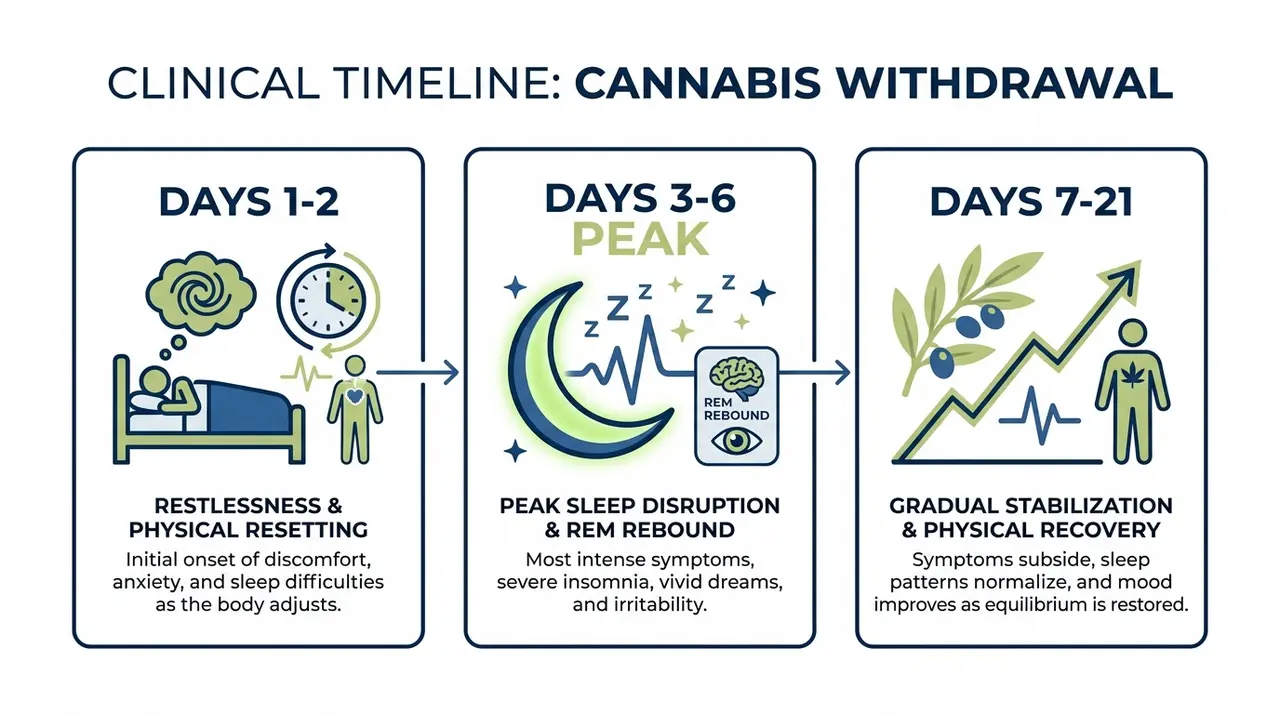
Withdrawing from modern high-potency cannabis is physically taxing and psychologically gruelling. Because THC binds to fat cells throughout the body, it clears slowly, creating an extended withdrawal curve that catches many people unprepared. Symptoms typically begin within twenty-four to forty-eight hours after the last use. The early phase features acute restlessness and intense sweating, along with chills and sharp mood swings. Between days three and six, withdrawal reaches its peak intensity, bringing severe insomnia and vivid nightmares as the brain experiences REM rebound.
Persistent nausea, loss of appetite, and a pervasive sour irritability strain personal relationships. Because these symptoms can linger for up to three weeks, many people return to smoking simply to make the discomfort stop. They smoke not to get high, but to feel normal again.
Why detox alone is not enough
Detoxification cleanses the bloodstream, but it does not teach a person how to live soberly. Many people spend two uncomfortable weeks sweating out cannabinoids, only to buy a bag of weed three days after returning home. Long-term use masks unresolved sadness and social anxiety, along with family conflict and chronic self-doubt. If an individual removes the chemical blanket without building genuine coping mechanisms, the compulsion to self-medicate remains intact. Genuine recovery requires identifying automatic triggers, establishing honest interpersonal boundaries, and cultivating healthy dopamine pathways through daily action.
Residential treatment at Holina Village, Cyprus
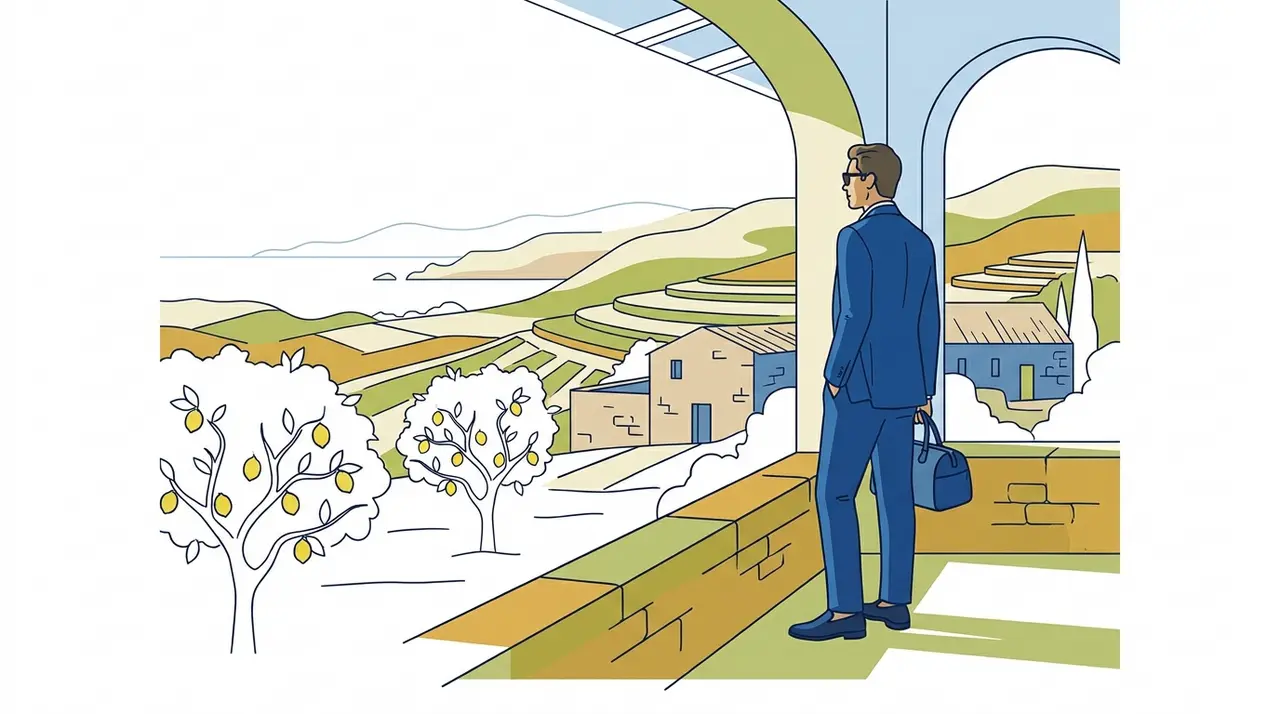
Residential rehabilitation places the client in an immersive, round-the-clock healing environment far removed from regular triggers. Rather than attending an hour of therapy each week while sleeping in a home filled with paraphernalia, the client lives inside a structured therapeutic community. At Holina Village, this care unfolds on a working farm in Achnas, Cyprus. Residents take part in a structured residential therapeutic community programme that pairs clinical psychology with daily accountability through physical work in orchards, animal care, and shared meals beneath open skies.
The American Society of Addiction Medicine criteria recommend residential placement for individuals with severe substance use, unstable home environments, or repeated outpatient relapses. Travelling overseas provides an immediate psychological and physical reset. Staying in one’s home city keeps old dealers, stressful family dynamics, and familiar smoking spots just a brief taxi ride away. Distance creates emotional safety and allows clients to enter an anonymous space where vulnerability is welcomed.
Cyprus combines European healthcare standards with a mild Mediterranean climate. Our multidisciplinary clinical team includes registered psychologists, addiction specialists, and trauma therapists who speak fluent English and bring decades of collective experience to every residential group.
Considering residential treatment for yourself or someone you care about?
Speak with our admissions team in confidence. No pressure, no obligation, just an honest conversation about what might help.
Evidence-based therapies for cannabis dependence
Treating cannabis addiction requires structured, research-backed psychological interventions. Scientific studies consistently demonstrate that focused behavioural therapies produce the highest rates of sustained abstinence. Clinical teams customize plans to match each resident’s cognitive style, integrating individual sessions with experiential group work.
Cognitive behavioural therapy and identifying automatic thoughts
Cognitive behavioural therapy, or CBT, helps clients identify the automatic assumptions that trigger drug cravings. A person might experience a difficult phone call and instantly think that only a joint can calm their racing pulse. Therapy teaches residents to interrupt this reflexive cycle by separating raw emotions from behavioural reactions. Clients chart their daily triggers, examine irrational core beliefs, and practise concrete coping scripts in individual sessions. Over several weeks, the brain learns that emotional discomfort is temporary and manageable.
Motivational enhancement therapy and resolving ambivalence
Most cannabis users remain intensely ambivalent about quitting. Part of them recognizes the damage done to their memory and finances, while another part still views cannabis as a loyal companion. Motivational enhancement therapy does not judge or scold the client. Instead, the clinician guides the resident to articulate their personal life values, contrasting those ideals with the reality of daily use. When the resident discovers their own reasons for change, internal motivation replaces external pressure.
Dual diagnosis treatment
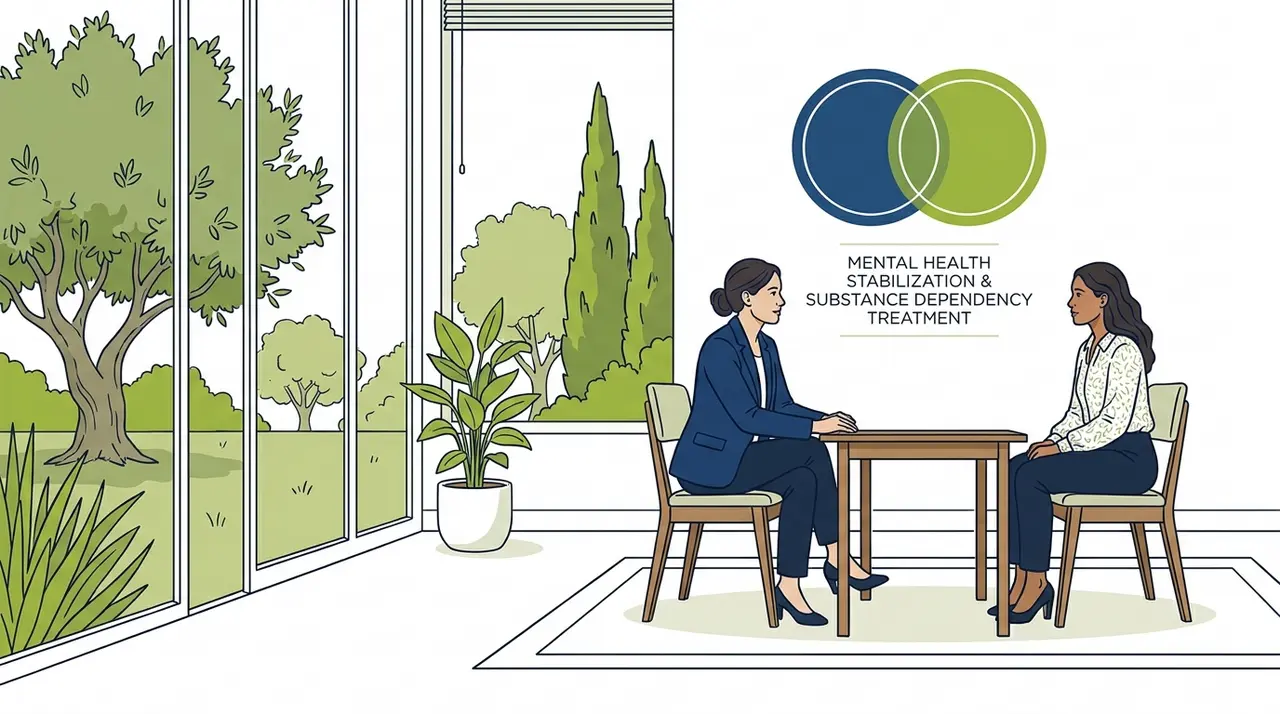
Cannabis misuse rarely exists in isolation. In the vast majority of clinical admissions, heavy smoking serves as a crude form of self-medication for underlying psychiatric conditions like generalized anxiety or social phobia and for ADHD or post-traumatic stress disorder. Consider a forty-one-year-old entrepreneur who consumed cannabis concentrates every evening for nine years to blunt recurring panic attacks stemming from childhood instability. When she attempted to quit, her repressed terror surfaced with overwhelming power, driving her straight back to the vape pen within forty-eight hours.
Treating this kind of presentation required dual-diagnosis care that resolved early traumatic memories while simultaneously addressing the chemical dependence. Her work addressed unresolved grief and emotional distress directly with trauma specialists. When clinics treat addiction while ignoring mental health, relapse is virtually guaranteed once emotional pain returns.
How long should treatment last?
Short stays of seven or fourteen days are sufficient for physical detox, but they are rarely adequate for rewiring deeply ingrained behavioural habits. Clinical experience indicates that a minimum of four weeks is necessary to clear brain fog, establish genuine emotional awareness, and develop relapse prevention strategies. An eight to twelve-week residency offers the strongest clinical outcomes for adults with chronic dependencies or dual-diagnosis presentations, giving them time to practise real emotional resilience before returning home.
Accommodation Options
Shared Room – From €7,950 per month
Twin beds, shared modern bathroom, personal wardrobe space. Full clinical programme with individual and group therapy, plus meals, farm activities and airport transfers.
Single Room with Shared Bathroom – From €10,950 per month
Private bedroom, shared bathroom with one resident, dedicated desk. Full clinical programme with individual and group therapy, plus meals, farm activities and airport transfers.
Single Room with Private Bathroom – From €12,950 per month
Private bedroom, en-suite bathroom, balcony views. Full clinical programme with individual and group therapy, plus meals, farm activities and airport transfers.
All programmes are all-inclusive and cover comprehensive clinical therapies and chef-prepared meals, along with experiential outdoor challenges and airport transfers. The only additional requirement is personal pocket money for incidental items during weekend outings.
Aftercare planning and relapse prevention
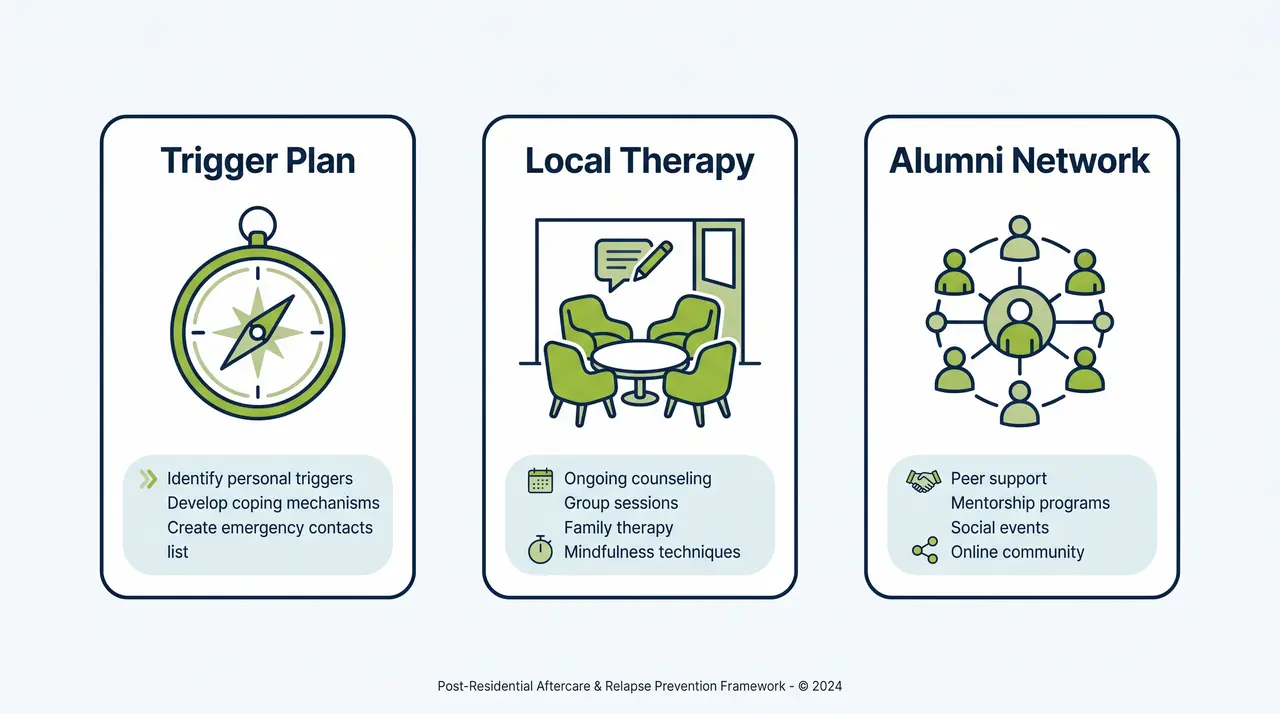
Completing a residential programme is an extraordinary milestone, but the return home represents the true test of emotional resilience. Before discharge, each resident works closely with their primary therapist to craft a personalized relapse prevention protocol. This plan identifies high-risk social contacts, outlines specific steps for managing intense stress, and arranges continuing outpatient therapy with trusted local professionals. Ongoing connection through virtual alumni groups and regular contact with Holina Village clinicians ensures that residents remain supported as they build an authentic, sober life.
Family involvement also plays a critical role. Partners and parents frequently fall into enabling behaviours, such as paying overdue bills or making excuses for missed obligations. Family sessions help loved ones understand the nature of dependency while learning how to establish firm, loving boundaries. When families stop protecting the addiction and start supporting the person, the resident finds a safe domestic environment waiting for them upon discharge.
Ready to talk about what comes next?
Reach out for a confidential conversation with our clinical team. We will listen, answer your questions honestly, and help you decide whether residential care is the right step.
Frequently asked questions
Can I continue working remotely during residential treatment?
Total recovery requires focused presence, so we discourage full-time professional duties while in treatment. However, we recognise that senior executives and business owners have essential obligations. Under clinical guidance, clients receive designated, scheduled periods each week to handle urgent business communications without disrupting their therapeutic commitments.
How is medical privacy and confidentiality protected?
Confidentiality is protected under strict European data privacy laws and clinical ethics standards. We never share records of your admission, medical evaluations, or therapy notes with domestic health services or insurance databases or with government bodies. Your stay in Cyprus remains entirely private.
What should I prepare before travelling to Cyprus for rehab?
Preparation begins with a confidential assessment call to verify medical fit and confirm travel arrangements. You will need comfortable clothing for warm Mediterranean weather, sturdy footwear for farm and outdoor activities, and any currently prescribed non-narcotic medications in original packaging. Our admissions team meets you directly at Larnaca or Paphos airport.
The road out of cannabis dependency does not begin with dramatic resolutions or harsh self-criticism. It begins with the quiet courage to acknowledge that a daily habit has grown too heavy to carry alone, and the willingness to let an experienced clinical team walk beside you toward genuine clarity.
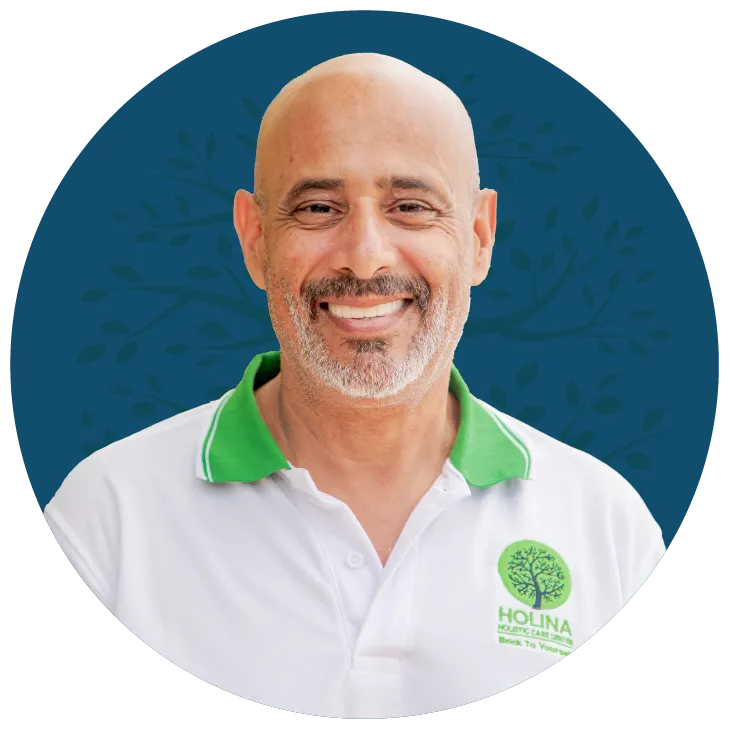
About the Author
Yossi Zubari
CEO & Founder
Director and Senior Therapist working with addiction for over 25 years, and in personal recovery for almost 30 years.