Explore Our Journey of Healing and Transformation at Holina Youth Village

A Visual Showcase of Our Teen and Young Adult Programs, Adventure Activities, and Therapeutic Community in Cyprus and Europe

Mindful Recovery: Integrating Awareness Into Everyday Life

Ian Young
24 Nov, 2025
05 min read

Healing Begins With Awareness

Recovery doesn’t happen only in therapy rooms — it happens moment by moment, breath by breath.
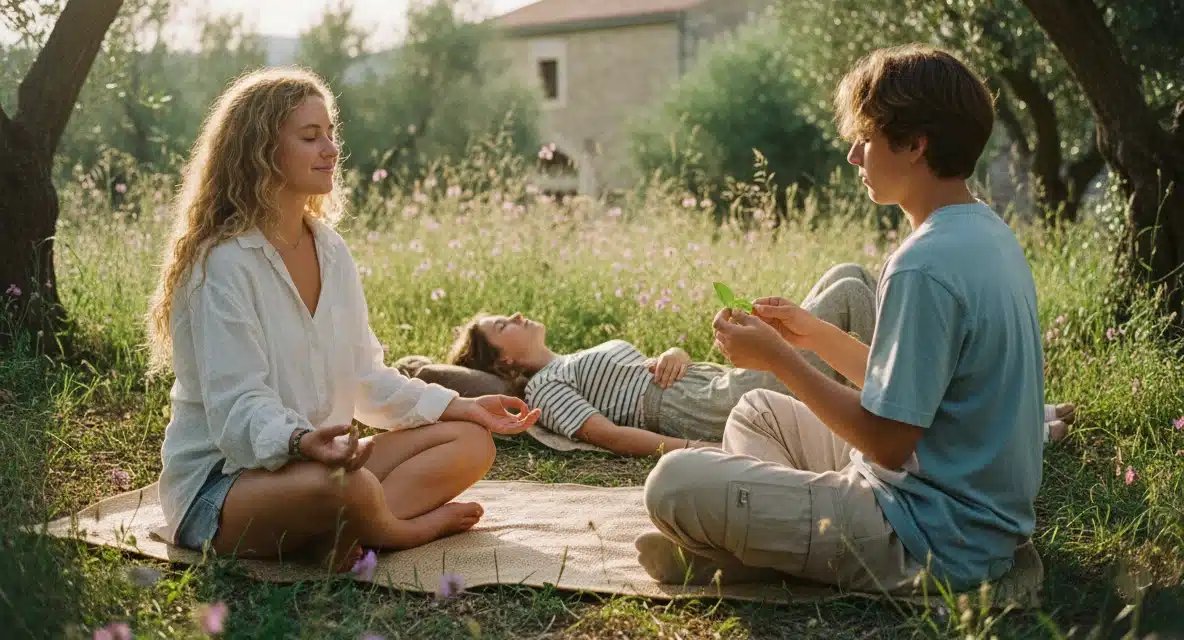
For young people healing at Holina Village Cyprus, mindfulness is the foundation of everything we do.

Mindfulness teaches that the present moment is not something to escape, but to inhabit fully.
It’s where self-understanding deepens, where emotions soften, and where change truly begins.

“Mindfulness doesn’t fix the storm — it teaches you how to stand calmly in the rain.”
Therapist, Holina Village Cyprus

What Is Mindful Recovery?

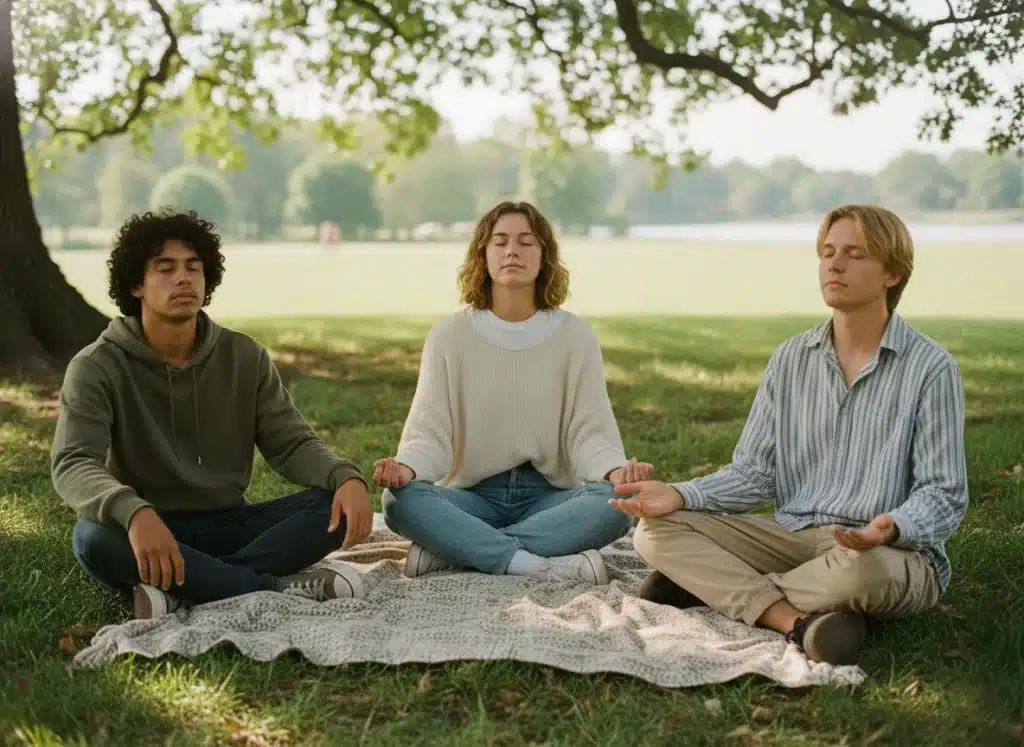
Mindful recovery means bringing awareness and acceptance into every aspect of healing — thoughts, feelings, and actions.
It’s about noticing without judgment and responding with intention rather than reaction.

At Holina, mindfulness is not a separate practice. It’s woven through therapy, community life, and education.
It helps young people develop the emotional balance and self-awareness needed for long-term recovery and personal growth.

Why Mindfulness Matters in Youth Recovery

Young adults today live in a world of constant stimulation — notifications, comparison, and pressure to perform.
This overstimulation leads to disconnection from the self and the present moment.

Mindfulness helps reverse that disconnection.
By learning to pause, breathe, and observe, students reclaim the ability to choose rather than react.

It restores agency — reminding them that peace is something they can access anytime, anywhere.

“I learned that I don’t have to believe every thought I have. That was freedom.”
Student, 19

The Science Behind Mindfulness

Neuroscience confirms what ancient wisdom has taught for centuries: mindfulness reshapes the brain.
Regular practice reduces activity in the amygdala (fear center) and strengthens the prefrontal cortex (responsible for decision-making and calm).

For young adults, this means:

  • Lower anxiety and reactivity

  • Improved focus and memory

  • Greater emotional regulation

  • Enhanced compassion and resilience

Mindfulness doesn’t just relax the mind — it rewires it for balance and clarity.

How Mindfulness Is Practiced at Holina Village

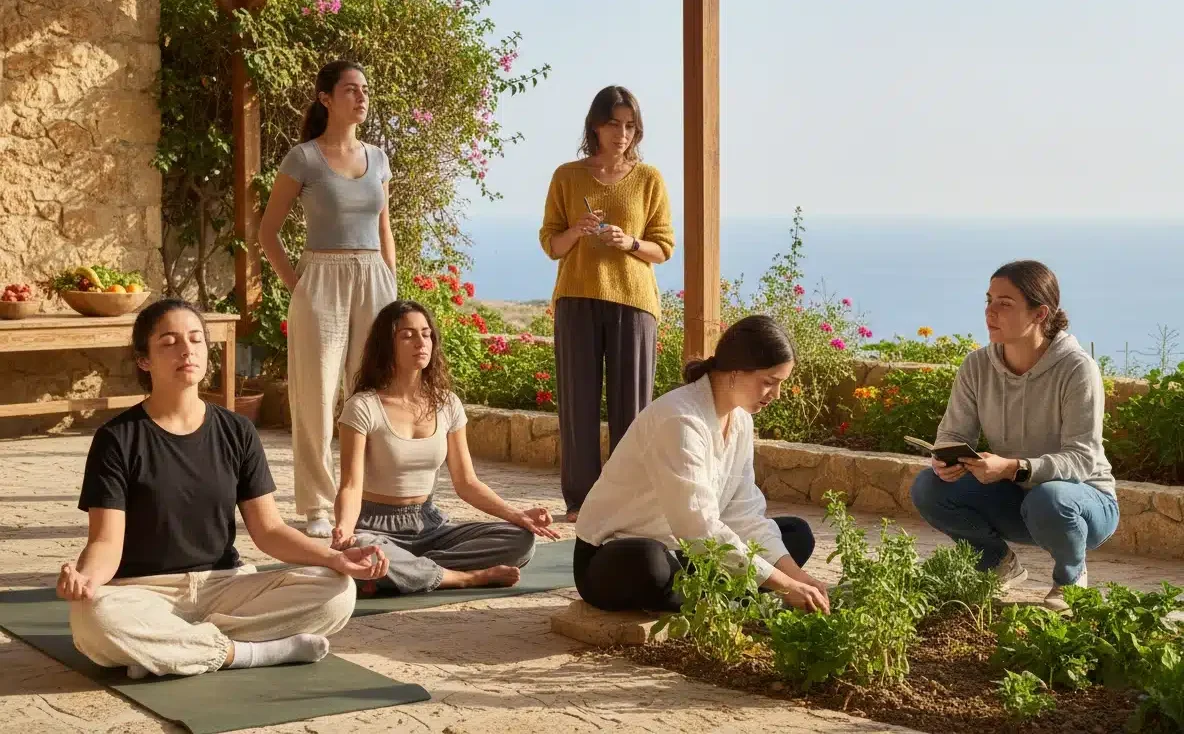
At Holina Village, mindfulness is woven into every part of the daily structure.
Students learn through practice, not theory — integrating awareness into ordinary moments.

1. Morning Grounding
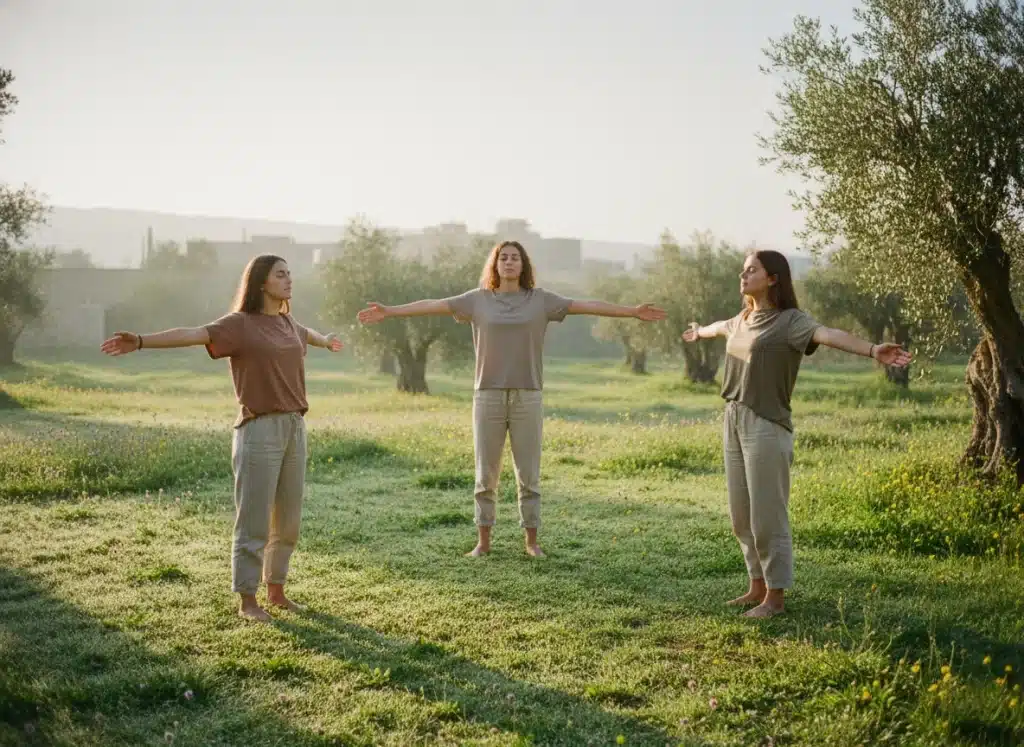
Each day begins with breathing, stretching, or silent reflection to set a calm tone.

2. Mindful Meals
Students are encouraged to eat slowly and with awareness, reconnecting with nourishment and gratitude.

3. Group Mindfulness Circles
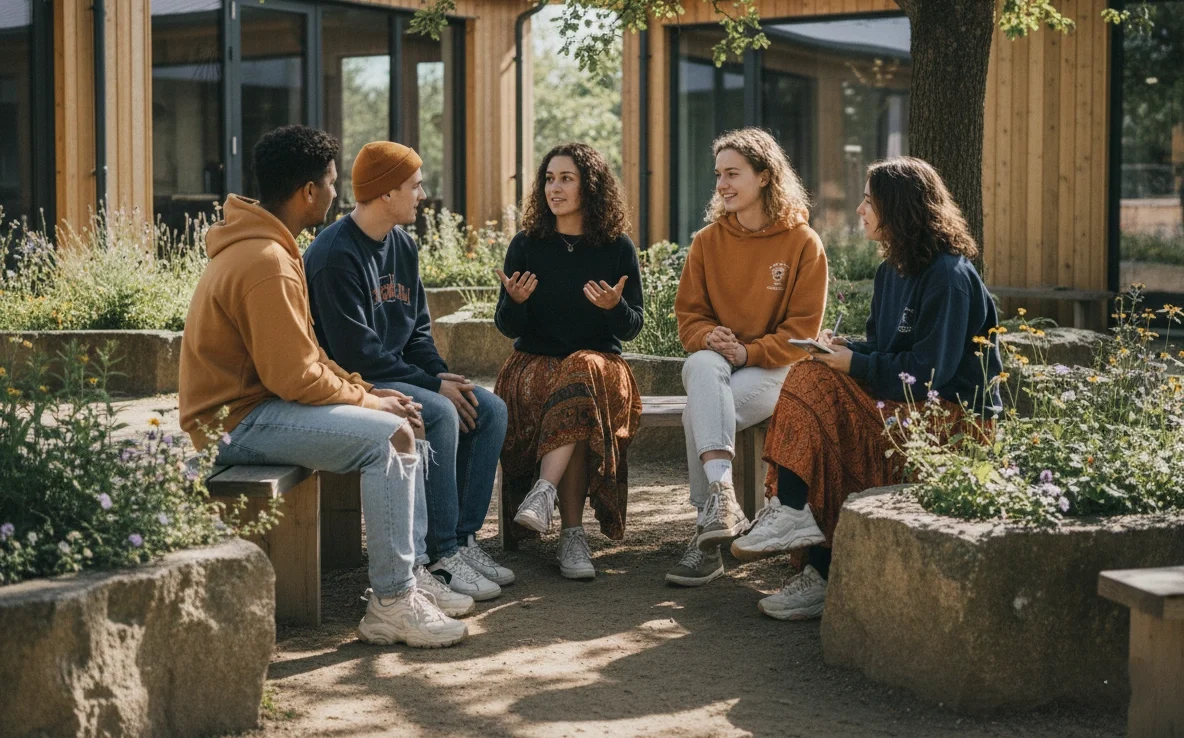
Community reflections help deepen listening, empathy, and emotional presence.

4. Mindful Movement
Yoga, walking, and gentle exercise teach awareness through the body.

5. Evening Reflection
Before rest, students reflect on the day with compassion — noticing what they learned, not what they lacked.

These practices teach that mindfulness isn’t confined to meditation cushions — it belongs in real life.

Mindfulness and Emotional Regulation

Emotions can feel intense during recovery.
Mindfulness gives young people tools to observe feelings without being consumed by them.

Instead of “I am angry,” they learn to say, “I notice anger.”
That small shift creates space — space where choice, calm, and healing begin.

Through mindfulness, they learn to ride emotional waves rather than drown in them.
This self-regulation becomes the cornerstone of resilience.

Mindfulness in Relationships

Mindfulness also transforms how young people relate to others.
By learning to pause and listen with presence, they develop empathy and patience.

Conflict becomes an opportunity for understanding rather than defense.
They begin to communicate not just with words, but with awareness.

“When I started listening instead of waiting to talk, people started hearing me.”
Graduate, 20

The Role of Breath

The breath is one of the simplest and most profound mindfulness tools.
By returning to the breath, students anchor themselves in the present moment — a moment where fear and regret cannot live.

Holina therapists teach practical breathing techniques for calming the nervous system and refocusing attention.
Over time, breath becomes a friend — always available, always grounding.

Mindfulness and the Body

Many young adults arrive disconnected from their bodies — carrying stress, tension, or shame.
Through mindful movement and somatic awareness, they begin to feel safe in their own skin again.

Yoga, grounding exercises, and gentle physical practices help restore trust between mind and body.
They learn that their body isn’t the enemy — it’s the messenger.

Integrating Mindfulness Into Education

Holina’s partnership with UCLan Cyprus allows mindfulness to extend into learning environments.
Students practice attention, focus, and curiosity in their studies — discovering that awareness enhances not only emotional health but academic performance.

Learning becomes more meaningful when the mind is present and open.

Mindfulness Beyond Holina

One of the most powerful gifts of mindfulness is its portability.
Students leave Holina equipped with simple tools they can use anywhere — before exams, in stressful conversations, or during moments of uncertainty.

Mindfulness becomes a lifelong anchor, guiding them through life’s inevitable challenges with steadiness and grace.

“I don’t panic like I used to. I breathe, pause, and respond. That’s my new superpower.”
Student, 18

Stories of Awareness and Peace

“Mindfulness helped me stop running from myself.”
Graduate, 19

“Our son used to be anxious all the time. Now he pauses before reacting — it’s like peace found him.”
Parent, UK

“Holina taught me that awareness isn’t thinking more — it’s thinking less and feeling more.”
Student, 20

FAQs About Mindful Recovery at Holina Village

Q1: Do all students practice meditation?
Yes, but in different ways. We offer guided, movement-based, and creative mindfulness — meeting each student where they are.

Q2: Can mindfulness help with anxiety or trauma?
Absolutely. It helps regulate the nervous system and builds a sense of inner safety.

Q3: What if my child finds it hard to sit still?
We start small — using mindful walking, breathing, or art as entry points to awareness.

Q4: How does mindfulness fit with therapy?
It complements it perfectly — bringing insights from therapy into daily life through awareness and practice.

Q5: Does mindfulness continue after treatment?
Yes. Students receive tools, recordings, and support to maintain their mindfulness journey at home.

Conclusion: Living Awake

At Holina Village Cyprus, mindfulness is more than a technique — it’s a way of living.
It helps young people awaken to who they truly are: calm, capable, and connected.

Through mindful recovery, they stop running from discomfort and start walking toward peace — one conscious breath at a time.

Begin your mindful healing journey with Holina Village Cyprus.
Where awareness becomes freedom — and every moment becomes an opportunity to heal.

Leave a Reply

Have a Question?

Intake Popup form

Full Name
This field is for validation purposes and should be left unchanged.