Explore Our Journey of Healing and Transformation at Holina Youth Village

A Visual Showcase of Our Teen and Young Adult Programs, Adventure Activities, and Therapeutic Community in Cyprus and Europe

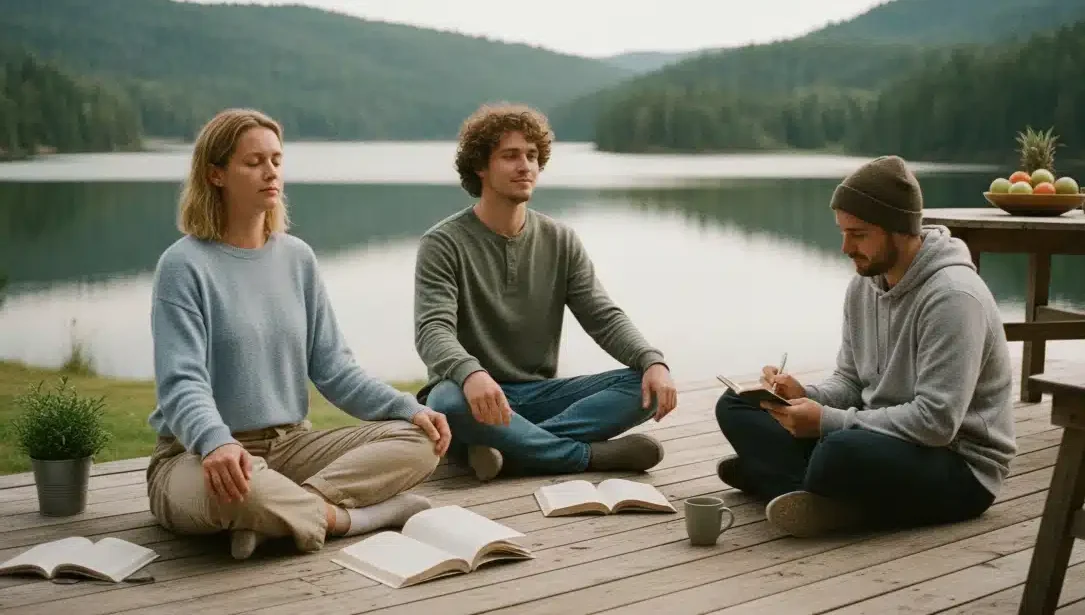
Mindfulness and Recovery: Teaching Presence to Young Adults

Ian Young
24 Nov, 2025
05 min read

Coming Back to the Present

Many young people who arrive at Holina Village Cyprus are living somewhere other than the present moment.
Their minds are trapped in the past — replaying mistakes, trauma, or regret — or racing toward the future, worrying about what comes next.

In both cases, peace feels unreachable.
That’s where mindfulness becomes medicine.

Mindfulness teaches one simple truth: healing begins here, now. By learning to observe their thoughts and emotions without judgment, young adults discover a sense of safety inside themselves — a place untouched by chaos or fear.

“When young people learn to pause, they discover they are stronger than their thoughts.”
Mindfulness Facilitator, Holina Village Cyprus

What Is Mindfulness?

Mindfulness is the practice of paying attention, intentionally and without judgment, to the present moment.
It’s not about emptying the mind — it’s about noticing what’s happening with awareness and compassion.

For young adults in recovery, mindfulness builds the foundation for emotional stability and self-awareness. It helps them respond instead of react, breathe instead of break down, and reflect instead of run away.

At Holina Village, mindfulness is woven through every part of daily life — from therapy and study to meals and evening reflection. It’s not a technique we teach; it’s a way of living we model.

Why Mindfulness Matters in Recovery

Addiction and emotional dysregulation often come from an inability to tolerate discomfort. When difficult emotions arise, young people instinctively seek escape — through substances, distractions, or rebellion.

Mindfulness offers a new path. It teaches that emotions are temporary and survivable. By sitting with discomfort instead of fighting it, students learn that they are capable of handling whatever arises.

This awareness reduces impulsivity, anxiety, and stress — replacing fear with understanding and reaction with choice.

The Science of Mindfulness and the Brain

Neuroscience shows that mindfulness changes the structure of the brain.
It strengthens the prefrontal cortex (responsible for self-control and focus) and calms the amygdala (the center of fear and emotional reactivity).

Regular mindfulness practice improves emotional regulation, memory, and concentration — all crucial skills for young adults recovering from trauma or addiction.

In simple terms, mindfulness rewires the brain for calm. It gives young people the space between thought and action where freedom lives.

How We Teach Mindfulness at Holina Village

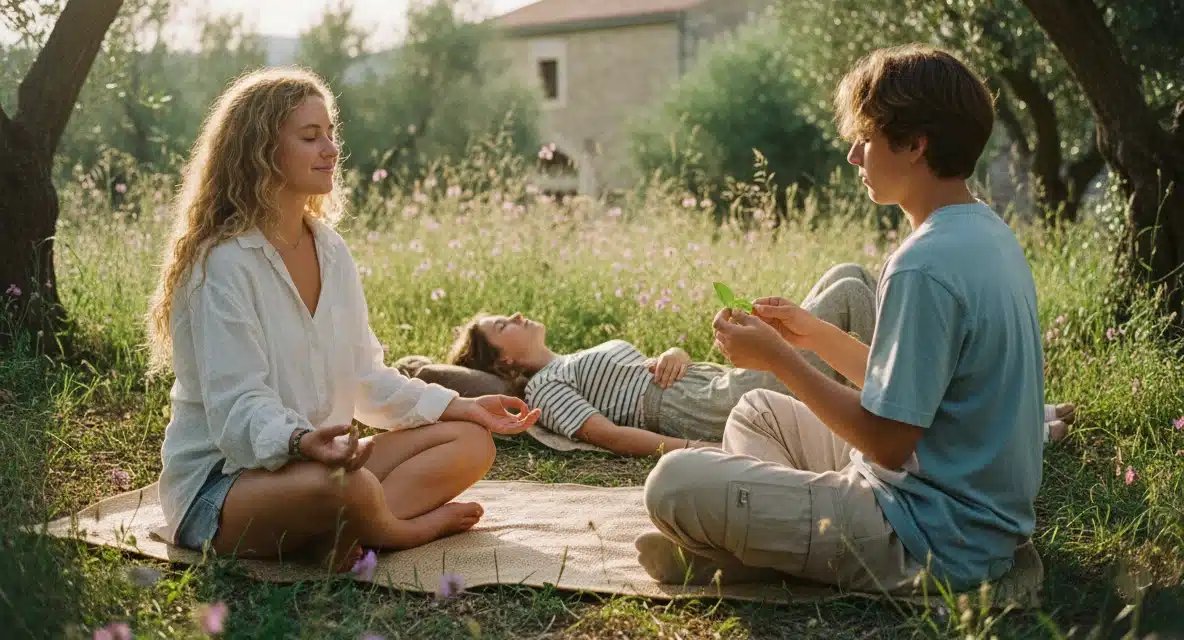
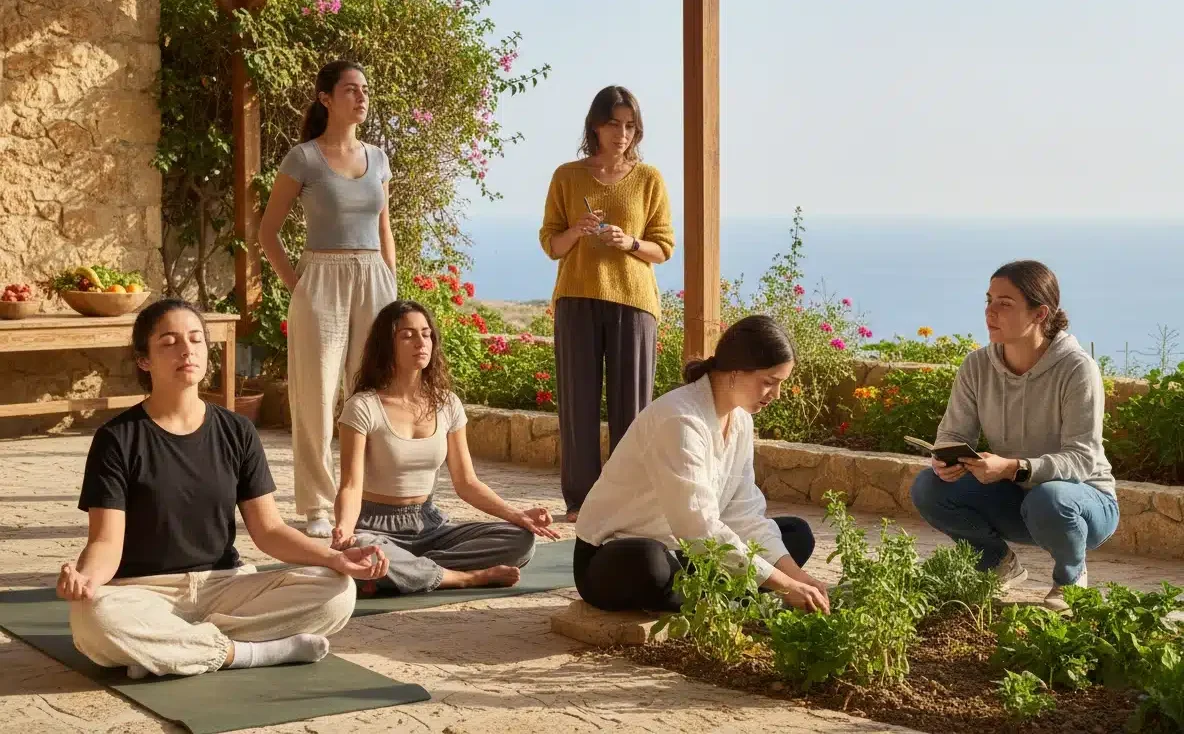
Mindfulness at Holina Village isn’t limited to meditation sessions. It’s built into the rhythm of daily life.

1. Morning Mindfulness Practice
Each day begins with grounding — guided breathwork, gentle stretching, or a few moments of silence. These quiet mornings teach students how to arrive fully into their day.

2. Mindful Movement
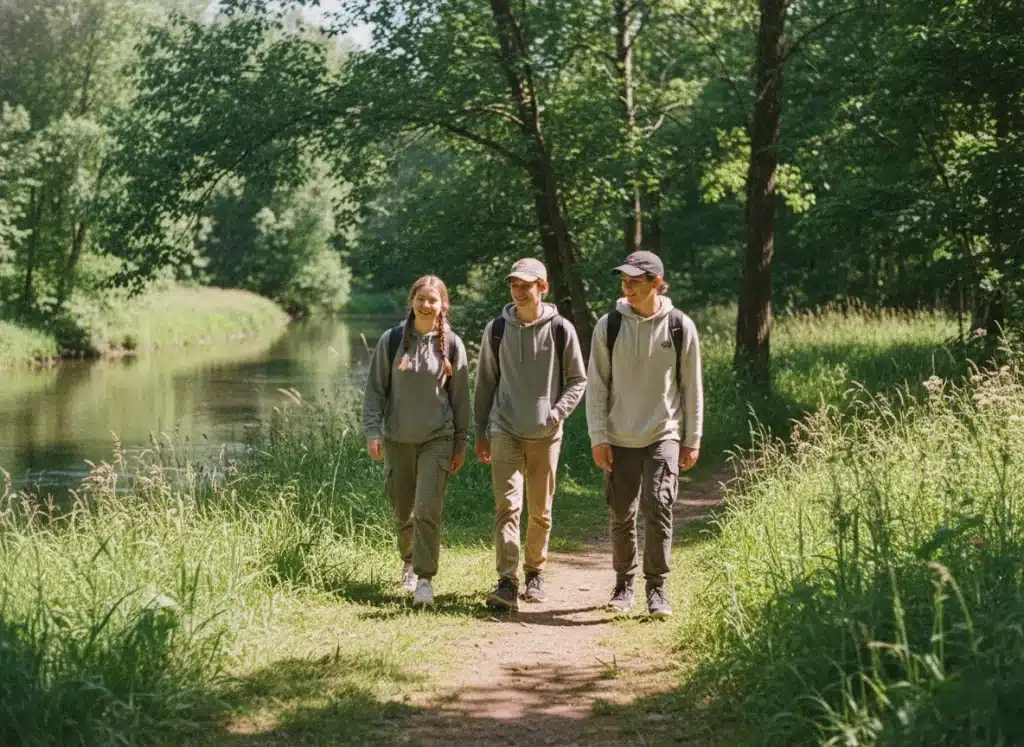
Yoga, nature walks, and mindful exercise reconnect the body and mind. Through movement, students learn to release stress and find flow.

3. Mindful Meals
Meals are opportunities for awareness — noticing taste, texture, and gratitude. Eating slowly teaches presence and respect for nourishment.

4. Mindful Learning
In classrooms, mindfulness helps students focus, pause when overwhelmed, and approach learning without fear of failure.

5. Evening Reflection
Each day closes with gratitude or reflection — recognizing emotions, insights, and small moments of progress.

Through this structure, mindfulness becomes second nature — something students carry with them long after they leave.

Mindfulness as Emotional Regulation

Mindfulness is the bridge between awareness and action.
When emotions arise, mindfulness teaches how to pause, breathe, and observe rather than react.

For young adults who’ve spent years reacting impulsively or numbing emotions, this pause is transformative.
It gives them the power to choose a different response — to respond with awareness instead of instinct.

Over time, mindfulness replaces self-criticism with curiosity, and shame with compassion.

“Before Holina, I felt like my emotions controlled me. Now I know how to sit with them — and they pass.”
Student, 19

Integrating Mindfulness with Therapy

At Holina Village, mindfulness complements all therapeutic work.
Therapists integrate mindful awareness into trauma processing, group sessions, and emotional education.

For example:

  • During trauma therapy, mindfulness helps students stay grounded in the present while revisiting difficult memories.

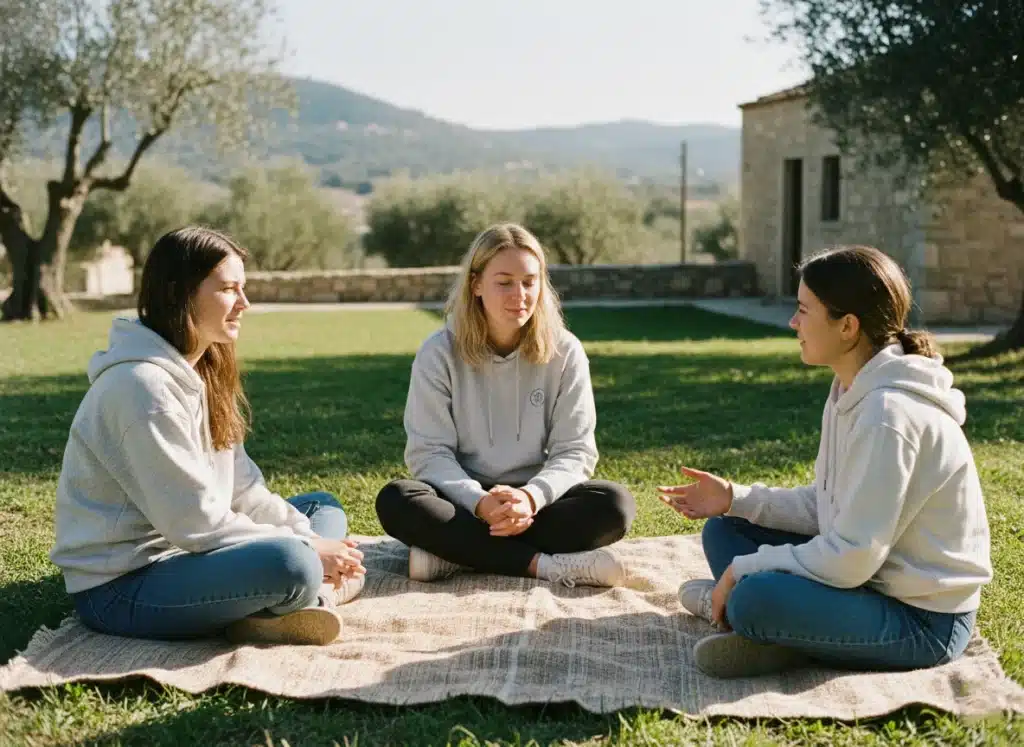
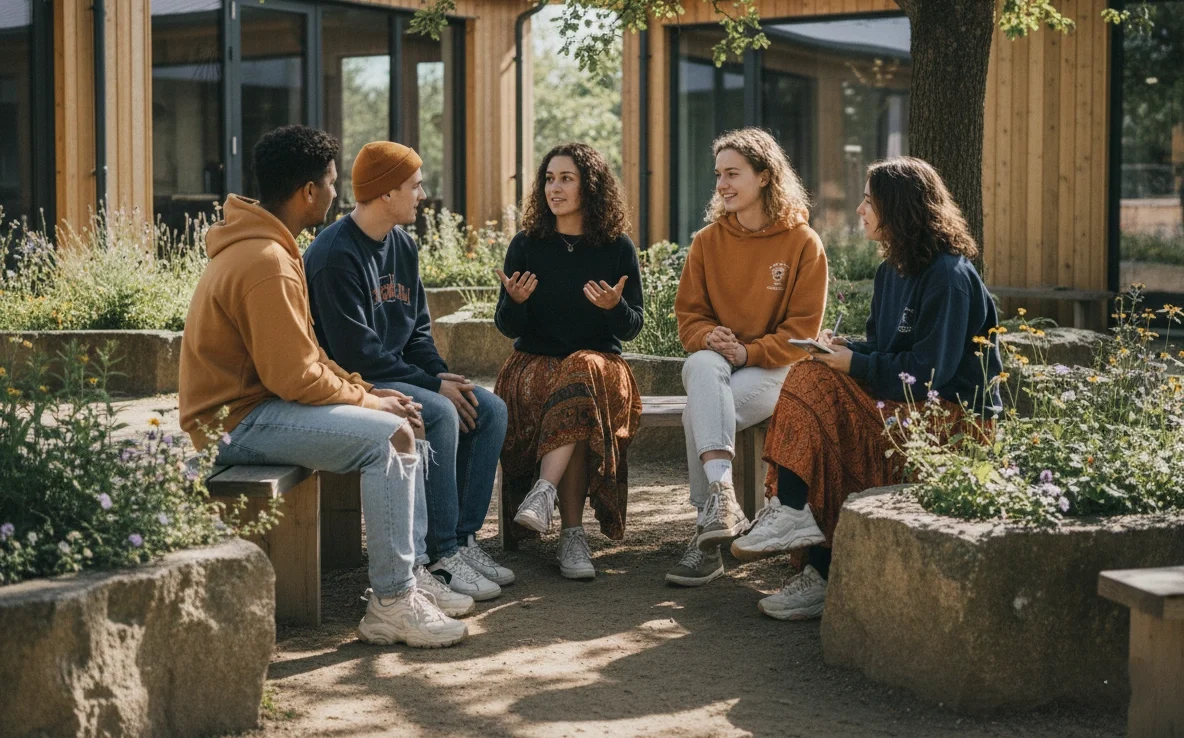
  • In group therapy, mindfulness creates empathy — teaching students to listen deeply without judgment.

  • During emotional regulation training, mindfulness becomes a real-time practice tool to manage triggers.

This synergy makes therapy more effective and sustainable.

The Role of Nature in Mindfulness

Cyprus itself is part of the healing process.
The island’s soft light, open skies, and natural calm make mindfulness not just an exercise but an experience.

Outdoor sessions on the grounds of Holina Village — under trees, near gardens, or overlooking the hills — remind students that stillness doesn’t have to mean sitting still.
Nature becomes a mirror, teaching rhythm, patience, and presence.

Many young people rediscover joy in the simple act of noticing: the sound of birds, the warmth of sunlight, or the rhythm of their own breath.

Mindfulness and Self-Compassion

Mindfulness isn’t only about awareness — it’s about kindness.
When young people learn to witness their thoughts without judgment, they also begin to soften toward themselves.

This is where transformation happens: not through control, but through compassion.
At Holina, we teach that mindfulness isn’t about perfection — it’s about being human.

Every breath becomes a reminder that growth is possible, even in moments of struggle.

Supporting Parents Through Mindfulness

Parents, too, benefit from mindfulness.
Caring for a struggling young adult can be emotionally exhausting, and families often live in constant tension.

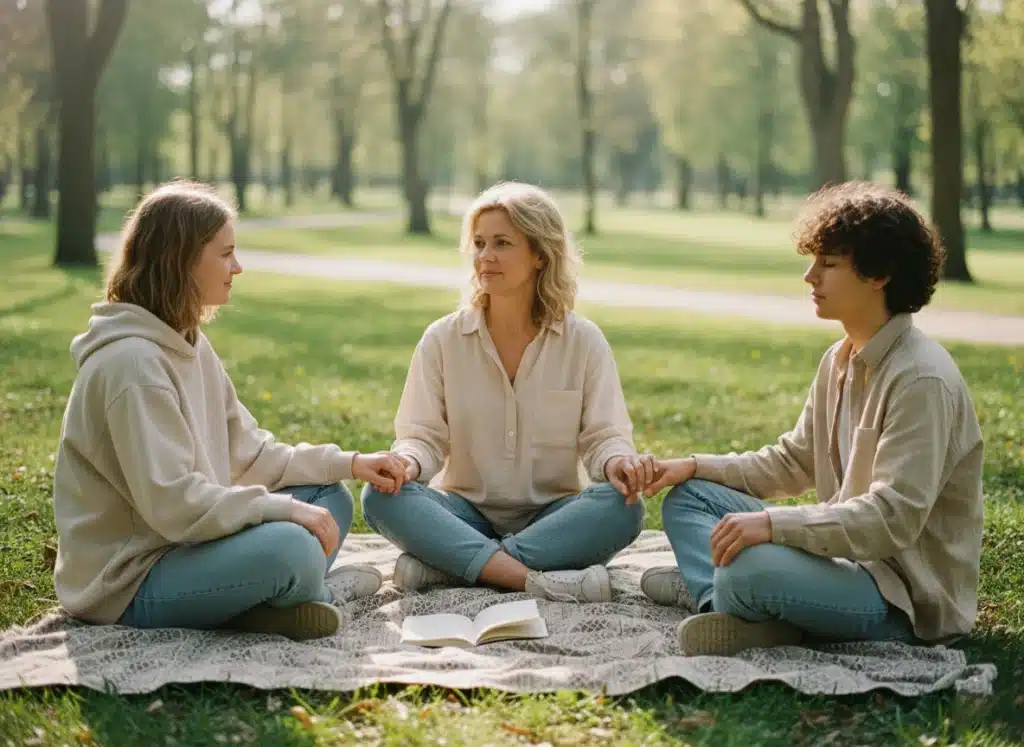
Through our family workshops, parents learn mindfulness techniques to reduce stress and improve communication.
They practice pausing before reacting, listening fully, and being present during difficult conversations.

Mindfulness transforms family relationships — creating calm where there was chaos and understanding where there was frustration.

“When we learned to pause, everything changed. Our home feels peaceful again.”
Parent, UK

The Long-Term Impact of Mindfulness

The benefits of mindfulness extend far beyond treatment.
Students who leave Holina often continue their practice — using it to navigate challenges in school, relationships, and adult life.

Mindfulness strengthens resilience, self-awareness, and focus — qualities that make independence sustainable.
It becomes a lifelong tool for balance, not just a recovery technique.

Stories of Presence and Growth

“I never thought I could calm my mind. Now I can close my eyes and breathe through anything.”
Graduate, 18

“Mindfulness taught me to see emotions as visitors, not enemies.”
Student, Cyprus

“It’s not just something they teach — it’s something everyone lives here. You can feel the peace.”
Parent, UK

Every story reflects one truth: mindfulness doesn’t just change habits — it transforms how young people experience life itself.

FAQs About Mindfulness at Holina Village

Q1: Is mindfulness the same as meditation?
Not exactly. Meditation is one way to practice mindfulness, but mindfulness can be applied to any activity — walking, eating, studying, or talking.

Q2: Can mindfulness help with anxiety or ADHD?
Yes. Mindfulness reduces stress, improves attention, and strengthens self-regulation.

Q3: What if my child struggles to sit still or focus?
We adapt mindfulness to each person — using movement, breathwork, or creative focus to make it engaging and accessible.

Q4: Do parents practice mindfulness too?
Yes. We offer guided workshops and online sessions for families to practice presence together.

Q5: Is mindfulness religious or spiritual?
Mindfulness is a secular practice rooted in awareness and compassion — open to all belief systems.

Conclusion: Finding Peace Within

At Holina Village Cyprus, mindfulness is more than a practice — it’s a way of returning home to yourself.

By learning to be present, young adults rediscover safety, stability, and choice. They begin to trust themselves again — one breath, one moment, one day at a time.

Because when you can stay grounded in the present, healing becomes not something you chase — but something you live.

Begin your journey toward mindful recovery with Holina Village Cyprus today.
Find calm, clarity, and connection — one breath at a time.

Leave a Reply

Have a Question?

Intake Popup form

Full Name
This field is for validation purposes and should be left unchanged.