The night has been long. The thoughts have not stopped, not for hours, not really for days. There is a substance within reach that promises, for a little while, to make the noise go quiet. Not happiness. Not even relief exactly. Just distance. A gap between the person and whatever has been pressing on them.
That gap has a name in pharmacology. It is called dissociation, and it is the reason ketamine works the way it does, both in an operating theatre and in a bedroom at three in the morning. If you have arrived at this page worried about yourself or someone you love, it helps to understand what the substance is actually doing, and what it is quietly costing.
Reading time: 8 minutes
Key points in this article
- Ketamine causes dissociation, a break between the person and their surroundings, which is why it is used both as a surgical anaesthetic and, in uncontrolled settings, as a way to escape emotional pain.
- A K-hole is a deep, near-total state of disconnection that carries real physical risk, including choking, falls, and inability to call for help.
- Psychological dependence can build quickly, driven by a crash after use that pushes a person back toward the substance that caused it.
- Long-term heavy use is linked to memory and concentration problems and to painful, sometimes irreversible damage to the bladder and urinary tract.
Table of contents
- Why do people take ketamine, when it feels so strange?
- What ketamine actually is, before it became a street word
- What the ketamine high feels like from the inside
- How long the effect lasts, and why the danger outlives the feeling
- Why the brain produces this feeling of being cut loose
- What a K-hole is, in plain terms
- What a K-hole feels like when you are in one
- Why some people chase the deepest disconnection on purpose
- Is ketamine addictive? The myth that keeps people stuck
- The immediate risks nobody mentions at the start
- The long-term costs that arrive slowly
- Can ketamine make trauma, anxiety, or depression worse?
- How to recognise when someone is under the influence
- What to do, and what not to do, if someone is in distress
- How people actually stop, once it has become a pattern
- Medical care and non-medical use compared
- When to reach for help, and what kind of help fits
Why do people take ketamine, when it feels so strange?
Ask directly and the honest answers rarely mention pleasure first. When we listen to why people take ketamine, the reasons cluster around escape rather than enjoyment. A fast change in consciousness. A break from emotional pain that has become constant. A way to regulate a nervous system that never seems to settle. And, yes, social curiosity, the version that begins at a party and does not stay there.
Underneath most of it sits something quieter. A person trying to treat their own depression or trauma without anyone watching. Self-medication is a reasonable-sounding word for a lonely act.
National surveillance work on hallucinogens and dissociative drugs from the US National Institute on Drug Abuse describes exactly this pull toward detachment, and why it becomes hard to leave alone.
The clip below is a conversation about trauma recovery and treatment, and it speaks directly to the underlying pain that often sits behind this kind of substance use.
What ketamine actually is, before it became a street word
Ketamine is not, first and foremost, a party drug. It is a legitimate medical anaesthetic, used in hospitals and by paramedics because it dulls pain and sedates without collapsing breathing the way some other anaesthetics can. Medical reference material on injectable ketamine describes its controlled, dosed medical use plainly.
At non-medical doses, that same molecule produces powerful psychoactive effects. The word that keeps coming up is dissociation. Ketamine interrupts the ordinary conversation between the brain, the body, and the world around it. Signals that should arrive smoothly arrive scrambled, or not at all. The person is present in the room and, at the same time, is not.
Medical use and non-medical use are not the same thing
This distinction matters more than almost anything else on this page. In a clinic, ketamine for treatment-resistant depression is given in a precise dose, in a monitored setting, with a clinician watching the whole time. On the street, none of that holds. The dose is a guess. The purity is unknown. The setting is unstable, often alone. Same substance, entirely different level of risk.
What the ketamine high feels like from the inside
People describe a ketamine high as floating. A sense of leaving the body behind. Time stops behaving normally, and space stretches or folds. The world softens at the edges. For someone in pain, that softening can feel like mercy.
The mercy has a price attached, immediately. Coordination goes first. Limbs feel heavy, almost impossible to move. Speech slows. Thinking blurs into confusion, and the dissociation that felt like freedom can tip, without warning, into helplessness. You are aware that something is happening to you and you cannot stop it. That is not relaxation. That is loss of control, described honestly.
How long the effect lasts, and why the danger outlives the feeling
The strong part of a ketamine experience is short. The dissociation and heaviness rise quickly and, in an hour or so, the peak passes. This is one of the reasons the substance is so easy to underestimate.
Because the danger does not leave when the feeling does. Judgment stays impaired for hours afterward. Coordination remains unreliable. A person who feels basically fine is still moving through the world with a body that will not quite obey and a mind that misreads risk. Falls happen here. So do accidents that would never have happened sober. The quiet aftermath is where a great deal of the harm actually lands.
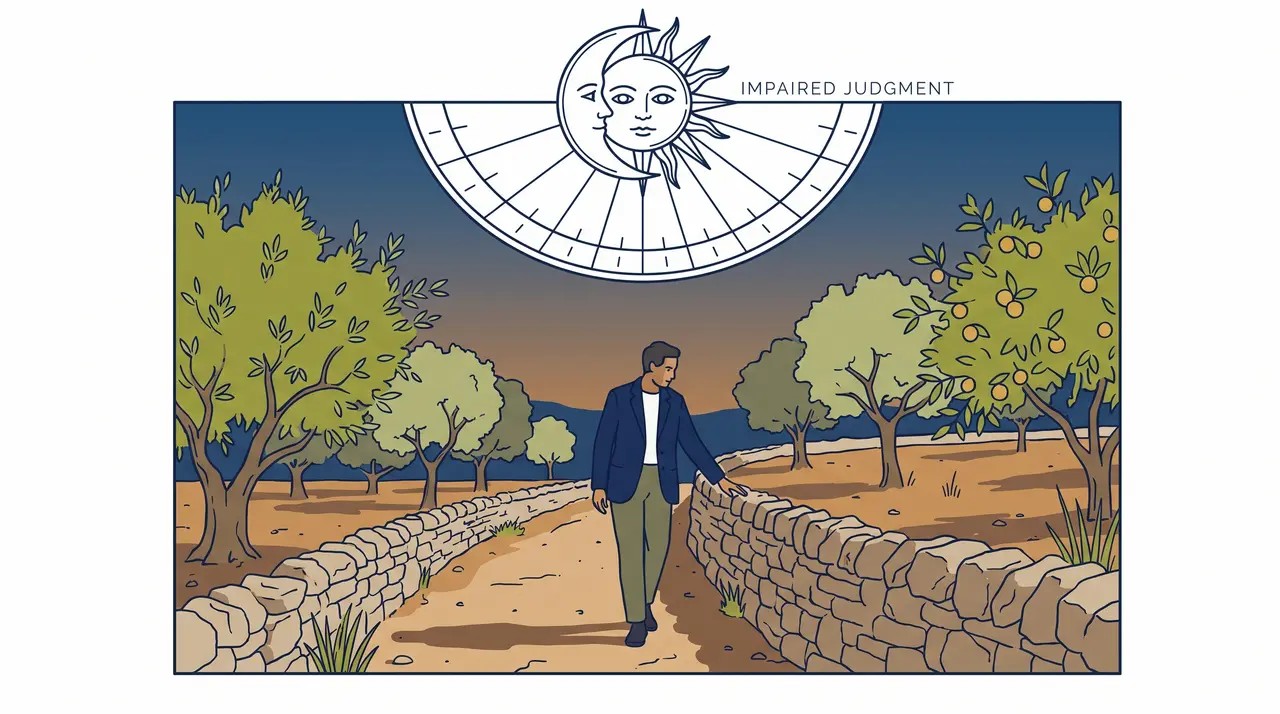
The intense effects pass quickly, but impairment and risk continue well after.
Why the brain produces this feeling of being cut loose
Here is the mechanism, kept simple. Ketamine blocks a particular kind of receptor in the brain, the NMDA receptor, which normally helps pass sensory and cognitive signals along. Block enough of them and the ordinary flow of this is my body, this is the room, this is now, breaks down. The disconnection is not metaphorical. It is neurochemical.
The psychology follows the chemistry. For someone carrying unbearable feeling, a state that severs them from that feeling reads as relief. The emotional storm is still there. They just cannot feel it for a while. And that is precisely the trap, because nothing has been resolved. The pain waits, patient, for the substance to wear off.
What a K-hole is, in plain terms
A K-hole is what happens when the dissociation goes deep enough to be almost total. At higher doses, movement stops. The person cannot respond to the room, cannot speak clearly, cannot reliably protect themselves. They are, functionally, stranded inside their own head while the body lies still.
This is not a curiosity. It is a genuinely vulnerable state. Someone in it cannot reposition themselves if they begin to be sick, which raises the risk of choking. They cannot move away from a hazard. They cannot ask for help. Clinical summaries of ketamine toxicity in the StatPearls reference from the NCBI describe how quickly high doses tip from intense experience into medical concern.
What a K-hole feels like when you are in one
Ask people afterward and they reach for extreme language, because ordinary language does not fit. Some describe ego death, the sense that the self has dissolved entirely. Total loss of motor control. Visual and auditory hallucinations that feel more real than the room.
What sounds mystical from a distance is often terrifying up close. A K-hole can turn, in seconds, into a panic attack with no exit. A conviction that death is happening right now. An existential dread that does not lift when the substance does. The line between profound and traumatic is thinner than anyone using it wants to believe.
If any of this sounds familiar, either for yourself or someone you love, a confidential conversation about our residential treatment programme costs nothing and commits you to nothing.
No pressure, no obligation, just an honest conversation.
Why some people chase the deepest disconnection on purpose
This is the part families find hardest to understand. Why would anyone aim for a state that sounds so frightening? Return to why people take ketamine and the answer becomes painfully clear. Some people are trying to switch off completely. To silence intrusive thoughts, or post-traumatic pain, that will not quiet any other way.
If you love someone doing this, try to hear the symptom underneath the behaviour. The pursuit of total shutdown is rarely recklessness. It is more often a message. A person telling you, without words, that what they are living with feels unbearable, and this is the only off-switch they have found. That is not a character failure. It is unmet suffering, and it can be met.
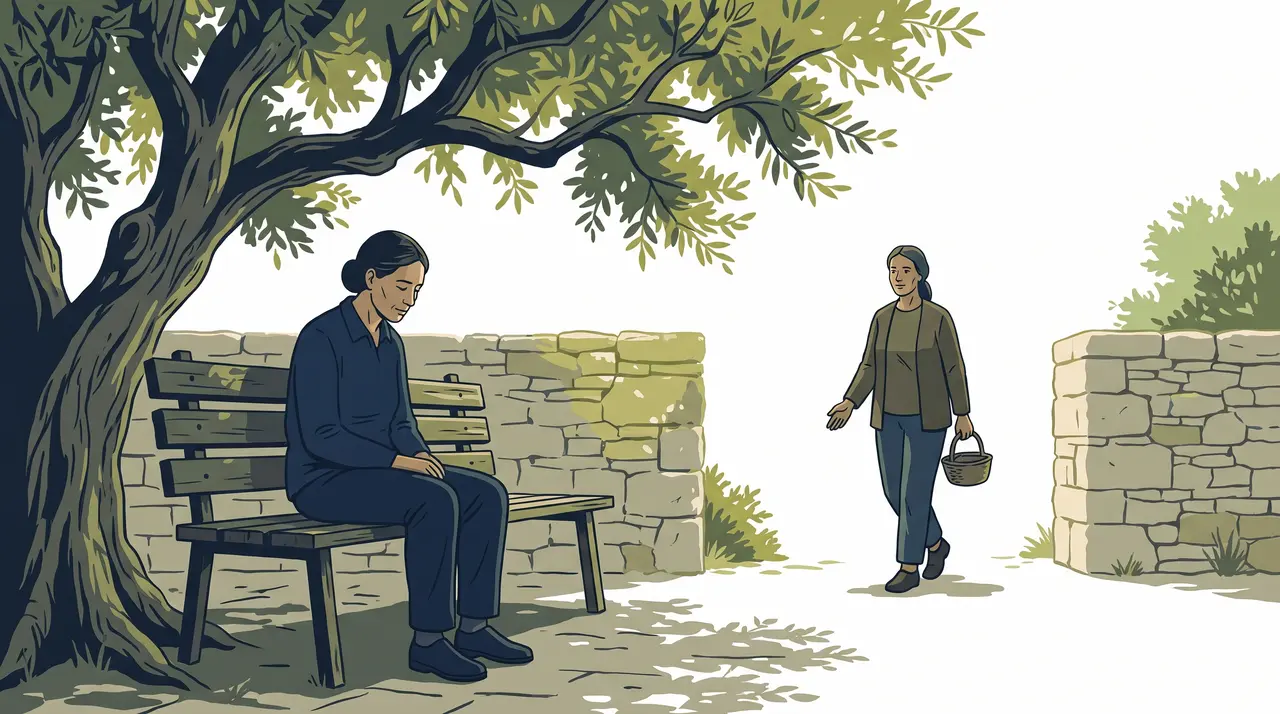
The pursuit of total disconnection is often a message rather than recklessness.
Is ketamine addictive? The myth that keeps people stuck
A stubborn belief circulates that ketamine is not really addictive. It is wrong, and the belief itself is part of what keeps people using. Psychological dependence can build quickly and hold hard. Tolerance climbs, so the same amount stops working and the doses grow. The cycle tightens.
The emotional crash after the effect fades is its own engine. The low that follows use pushes a person back toward the substance to escape the low the substance created. Round and round. Reviews of the mechanisms behind ketamine use disorder in the peer-reviewed literature on PMC describe this compulsive loop in detail.
Breaking a pattern this self-reinforcing is not a matter of willpower alone. Real structured addiction and recovery care exists to take apart the dependence piece by piece, because the loop rarely loosens on its own.
The immediate risks nobody mentions at the start
Because ketamine numbs pain and wrecks coordination, injury is a leading early harm. People fall and do not feel it. They stay in dangerous positions because their body will not move. Blood pressure can rise. Breathing can slow.
The most dangerous combination is with alcohol or other depressant substances. Stacking sedatives on top of a sedative can suppress breathing to a lethal degree. This is not a rare theoretical edge case. It is one of the most common routes to a ketamine-related emergency.
When it becomes an emergency
Some signs mean you call for medical help immediately and do not wait to see if it passes. Prolonged unresponsiveness. Breathing that is slow, shallow, or irregular. Seizures. Vomiting while lying down. If any of these are present, treat it as the emergency it is. Getting it wrong by over-reacting costs you nothing. Getting it wrong by waiting can cost a life.
The long-term costs that arrive slowly
Frequent, heavy use leaves marks that take time to show and time to heal. Memory suffers, especially short-term memory. Concentration and learning become harder. Reviews of long-term ketamine use document measurable cognitive and structural differences in long-term users.
Then there is the bladder. Ketamine-induced cystitis is one of the cruellest consequences, causing severe pain, urinary bleeding, and in extreme cases irreversible damage to the urinary tract and kidneys. Research on the urologic effects of long-term ketamine use shows that the earlier a person stops, the better the chance the damage does not become permanent.
Can ketamine make trauma, anxiety, or depression worse?
Yes, and this is the bitter irony for anyone using it to feel better. Without a therapeutic frame around it, dissociation can dredge up buried material, old trauma, painful memory, with no capacity to process any of it. The mind opens a door and then leaves the person alone in the doorway.
The crash afterward deepens the original wound. The depression comes back heavier. The emptiness feels more absolute. Whatever pain drove the use is not smaller the next morning. It is often larger, and now compounded by shame and by the low the drug leaves behind.
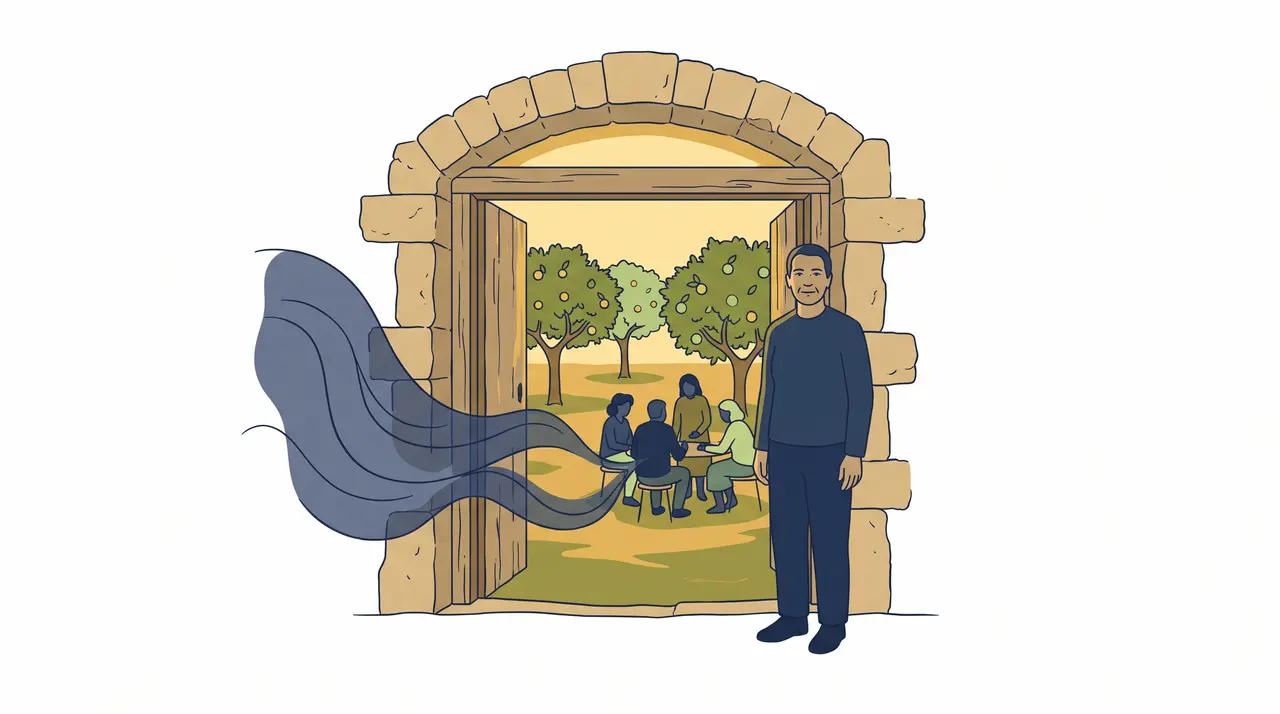
Without a therapeutic frame, dissociation can surface pain the mind is not ready to process.
How to recognise when someone is under the influence
For family and friends, some signs are fairly consistent. A blank, disconnected stare. Slow, slurred speech. Clumsy, unsteady movement that can look like drunkenness, but without the smell of alcohol. A striking failure to respond to physical pain. If a person seems present and absent at once, moving as if underwater, this is worth taking seriously rather than explaining away.
What to do, and what not to do, if someone is in distress
Practical steps first. Move the person somewhere quiet and safe, away from stairs, water, and hard edges. Reduce the noise and light. Stay with them. Watch their breathing and keep them from choking. Speak in a low, calm, reassuring voice, even if they cannot answer. A steady human presence matters more here than any clever intervention.
What not to do
Do not try to bring them down with alcohol, coffee, or another substance. This can make things far more dangerous. Do not shout at them or shake them. And do not, under any circumstances, leave them alone. If a K-hole looks deep, or their breathing worries you, get medical help without hesitating.
How people actually stop, once it has become a pattern
Stopping is rarely about the substance alone. It starts with an honest question. What job was this doing? What feeling was it holding down, what pain was it muting? Until that is named, quitting tends to be temporary, because the reason to use is still standing.
Then comes the slower work of building a different toolkit. Real ways to sit with hard feeling. A daily rhythm that steadies the nervous system rather than jolting it. Enough felt connection that the isolation which fed the use begins to close. This is difficult to do alone, in the same rooms where the pattern was built. A contained space, somewhere the environment itself supports the change, gives the new patterns room to hold. That is much of what a residential therapeutic community like Holina Village is for.
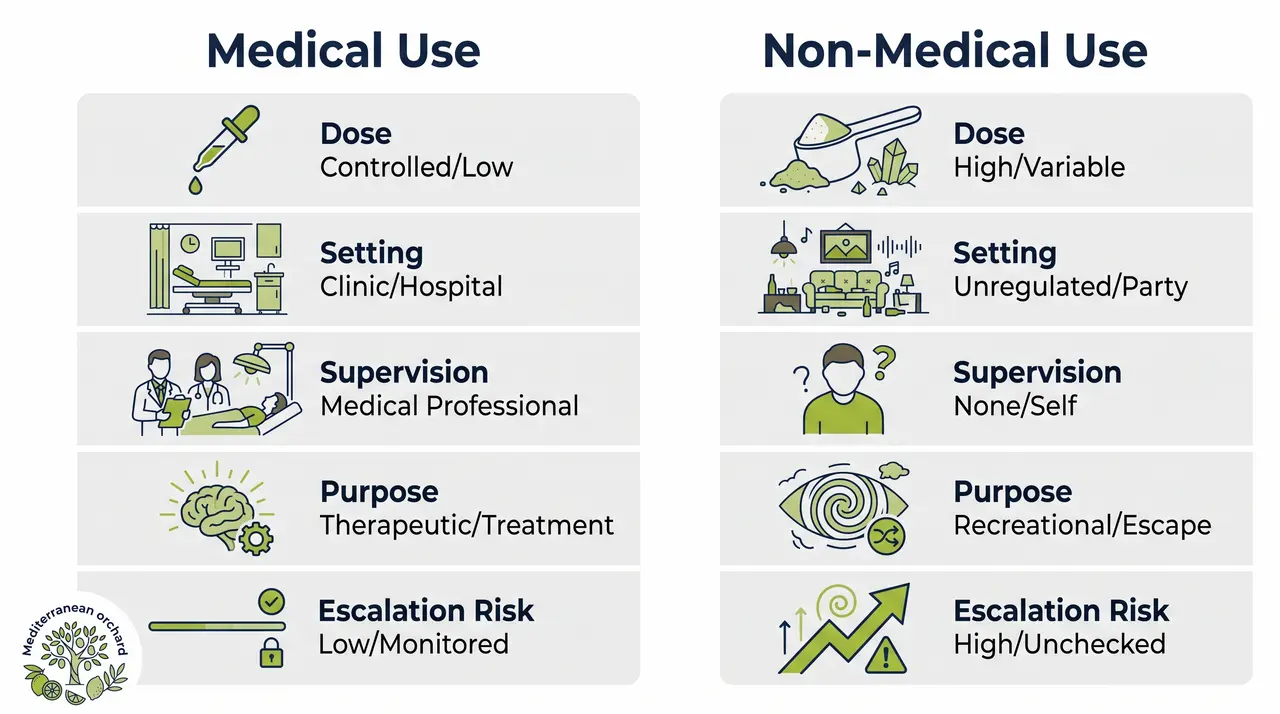
Medical care and non-medical use compared
Because the word ketamine now covers two very different realities, it helps to see them side by side.
| Factor | Supervised medical use | Non-medical use |
|---|---|---|
| Dose | Precisely measured for the person | Estimated, often unknown |
| Setting | Monitored clinical environment | Unstable, frequently alone |
| Supervision | Clinician present throughout | None, or someone also intoxicated |
| Purpose | Defined clinical indication | Escape from pain, self-regulation |
| Escalation risk | Controlled and reviewed | Tolerance and rising doses |
When to reach for help, and what kind of help fits
There is a point that most people can recognise if they are honest. When daily functioning slips. When health starts to give way. When stopping has been tried, alone, and has not held. That is not the moment to try harder by yourself. That is the moment for outside help.
Outpatient therapy has genuine value, and for some people it is enough. Any honest clinician will tell you where it reaches its limit, which is usually when the using environment and the emotional drivers are both too strong to interrupt from the outside. A residential model works differently. Round-the-clock support, a therapeutic community that supplies the relational substrate a person has been trying to numb, farm and orchard and open sky that feel nothing like a clinical facility, and the family kept in the room rather than shut out of it.
Very often the dependence on ketamine is sitting on top of older, unprocessed pain, which is why work on the grief and loss beneath early-adulthood recovery tends to matter as much as addressing the substance itself. The two are not separate problems. They are one problem, seen from two angles.
If you have read this far for yourself, or for someone whose absence you have been feeling in the room, the next step is smaller than it looks. A confidential conversation with our clinical team costs nothing and asks nothing of you in return.
Is ketamine addictive?
Yes. Psychological dependence can develop quickly, and tolerance means the doses needed to get the same effect tend to rise over time. A crash after use often pulls a person back toward using again, which keeps the pattern going.
What exactly is a K-hole?
A K-hole is a deep, near-total state of dissociation brought on by a higher dose of ketamine. Movement, speech, and clear thought largely stop, leaving the person unable to respond to their surroundings or protect themselves physically.
How long do the effects of ketamine last?
The strongest effects usually peak and fade within about an hour, but impaired judgement and coordination can persist for several hours afterward. Most accidents and injuries happen in this quieter aftermath, not during the peak itself.
What should I do if someone is in a K-hole or in distress?
Move them somewhere quiet and safe, stay with them, and watch their breathing. Do not give them alcohol, coffee, or another substance to try to bring them down. If breathing becomes slow or irregular, if they have a seizure, or if they are unresponsive for a prolonged period, get medical help immediately.
Can ketamine use cause lasting damage?
Heavy, frequent use is linked to memory and concentration difficulties and to painful bladder damage known as ketamine-induced cystitis, which can become irreversible if use continues. Stopping earlier gives the body a far better chance of recovery.
Ketamine’s pull comes from the distance it offers, not from pleasure. That distance is real, but it is borrowed, and it comes with physical risk, a strong pull toward dependence, and a crash that often deepens the pain it was meant to quiet. Recognising this pattern, in yourself or in someone you love, is not a small thing. It is usually the first honest step toward something better.
If any part of this article felt familiar, a quiet, confidential conversation about our residential treatment programme is available whenever you are ready. No pressure, no obligation, just an honest conversation.

About the Author
Yossi Zubari
CEO & Founder
Director and Senior Therapist working with addiction for over 25 years, and in personal recovery for almost 30 years.