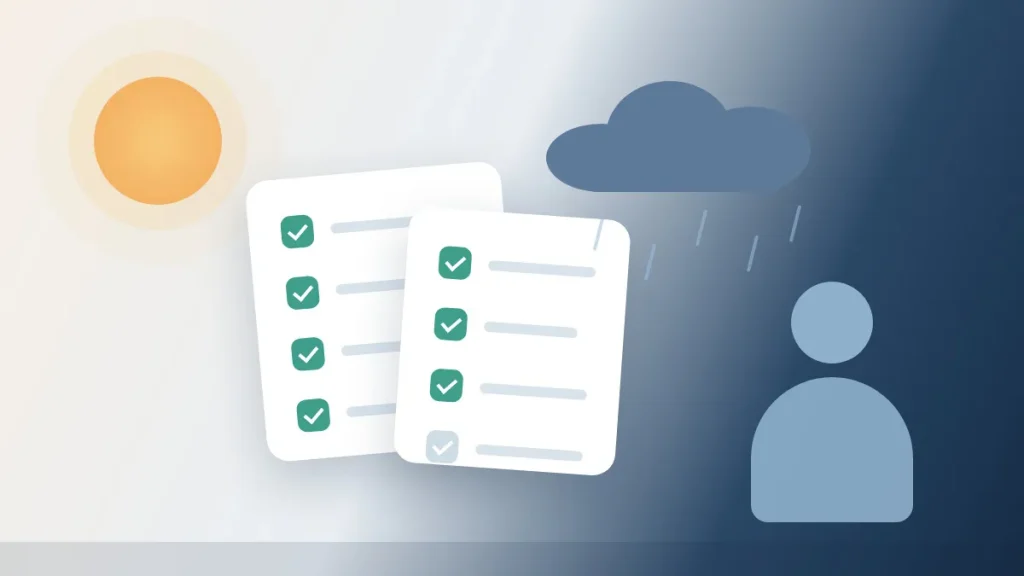
High-functioning depression describes people who keep working, parenting and meeting deadlines while feeling low, empty or exhausted underneath. Because life looks fine from the outside, the problem is easy to dismiss, both by the person and by those around them. Recognising the quieter signs is often the first step towards getting the right support.
When Rehab Clinics for Depression Become Relevant
Most people with high-functioning depression never think of themselves as candidates for residential care. Yet Rehab Clinics for Depression often see adults who coped for years until alcohol, burnout or a crisis made it impossible to carry on. Understanding the pattern early can mean getting help before it reaches that point.
Is High-Functioning Depression a Diagnosis?
Not formally. It is an everyday term rather than a clinical one. Many people who describe themselves this way meet the criteria for persistent depressive disorder (sometimes called dysthymia), where low mood lasts for most days over at least two years, or for major depression that they have learned to mask.
The label matters less than the experience. If someone feels persistently low and it is affecting their life, it deserves attention.
Signs That Are Easy to Miss
High-functioning depression rarely looks like the stereotype of someone unable to get out of bed. More often, it shows up as:
- Constant tiredness, even after a full night’s sleep
- Losing interest in hobbies, friends or things that used to bring joy
- Working harder to avoid being alone with your thoughts
- Harsh self-criticism and a sense of never being good enough
- Irritability or emotional numbness instead of obvious sadness
- Relying on alcohol, food or screens to switch off in the evening
- Feeling that you are only going through the motions
The Link With Work and Alcohol
Many adults with hidden depression are high achievers. Work becomes both a distraction and a source of worth, which makes slowing down feel risky.
Alcohol often fills the gap. A drink after work can seem to ease low mood or help with sleep, but alcohol is a depressant. Over time it tends to worsen mood, disrupt sleep and increase anxiety, which can lead to drinking more. When depression and alcohol use feed each other in this way, dual treatment that addresses both together is usually more effective than treating either alone.
When to Seek Help
It is worth speaking to a GP or mental health professional if low mood has lasted more than two weeks, if it is affecting work or relationships, or if alcohol or other substances have become a way of coping.
If you ever have thoughts of harming yourself or feel you cannot keep yourself safe, seek urgent help. In the UK you can call Samaritans on 116 123 at any time, or contact your local emergency number.
Treatment Options
Support can range from outpatient therapy and medication to residential care. Therapies such as CBT, DBT and ACT can help people understand the patterns behind their low mood and develop healthier ways of coping. A residential setting may suit those who need distance from work pressure or who are also struggling with alcohol or drugs.
At Holina Village in Cyprus, adults receive integrated treatment for depression, anxiety and substance use within a structured therapeutic community. For a confidential conversation, call +357 95 667869 or contact our admissions team.
This article is for information only and is not a substitute for a professional clinical assessment.
FAQ
Can you have depression and still be successful?
Yes. Many people with depression keep high-pressure jobs and busy family lives. Success can hide the problem, but it does not mean the person is coping well inside.
Is high-functioning depression less serious than other depression?
Not necessarily. It can last for years, increase the risk of alcohol problems and develop into more severe depression if left untreated.
Does drinking help with depression?
It may seem to help in the short term, but alcohol usually makes low mood, anxiety and sleep worse over time.