Gambling addiction rarely announces itself with dramatic debts or loan defaults. It usually begins as private excitement, a mental refuge from fatigue or routine, and it quietly claims more space until little else fits. Many people who develop a problem keep their jobs and attend family dinners for months before anyone notices a crack in the surface.
Families often feel disoriented when the pattern finally becomes visible because they were watching for obvious signs of intoxication rather than silent changes in mood, money, and availability. This article sets out how compulsive gambling develops, what the early warning signs look like in daily life, and when professional support becomes the sensible next step.
Reading time: 5 minutes
Key points from this article
- Gambling disorder is a recognised clinical condition, not a failure of discipline or character.
- Early signs include mental preoccupation, secrecy around phones and money, and unexplained irritation.
- Chasing losses is the clearest single marker that recreational play has become an addiction.
- A serious problem can exist without daily betting, because binge patterns are common.
What are the signs of gambling addiction?
Clinical diagnostic standards classify compulsive gambling not as poor discipline but as an addictive disorder of the brain’s reward pathway. According to the American Psychiatric Association diagnostic criteria for gambling disorder, the condition involves persistent and recurrent problematic gambling behaviour that causes clinically significant impairment or distress over a twelve-month period.
The primary clinical sign is loss of control over time and expenditure. A person intends to place one wager on a Saturday afternoon and instead spends six hours managing live bets from their phone. Tolerance develops in much the same way as with substances, so the excitement that once came from a twenty-euro stake eventually requires hundreds of euros to produce the same charge. Restless agitation, sudden anger, and disrupted sleep tend to follow when the person tries to stop.
In this short video, Holina Village sets out why addiction is treated as a health condition rather than a personal failure, and why that distinction changes how recovery is approached.
What are the first signs of a gambling problem?
Long before any debt collector knocks, quiet behavioural shifts begin to alter a person’s everyday rhythm. The earliest indication is mental absorption. Even during conversations about weekend plans or children’s schoolwork, the person is replaying earlier results or anticipating the evening’s odds.
Defensiveness around privacy follows. A phone that once sat face-up on the coffee table now stays face-down or locked in a pocket, and an innocent question about an account balance meets an unexpectedly irritable answer. Small deceptions accumulate around missing time. One pattern our clinicians hear often involves a person sitting in the parked car outside their home for twenty minutes each evening, checking scoreboards and deleting betting apps before walking through the front door.
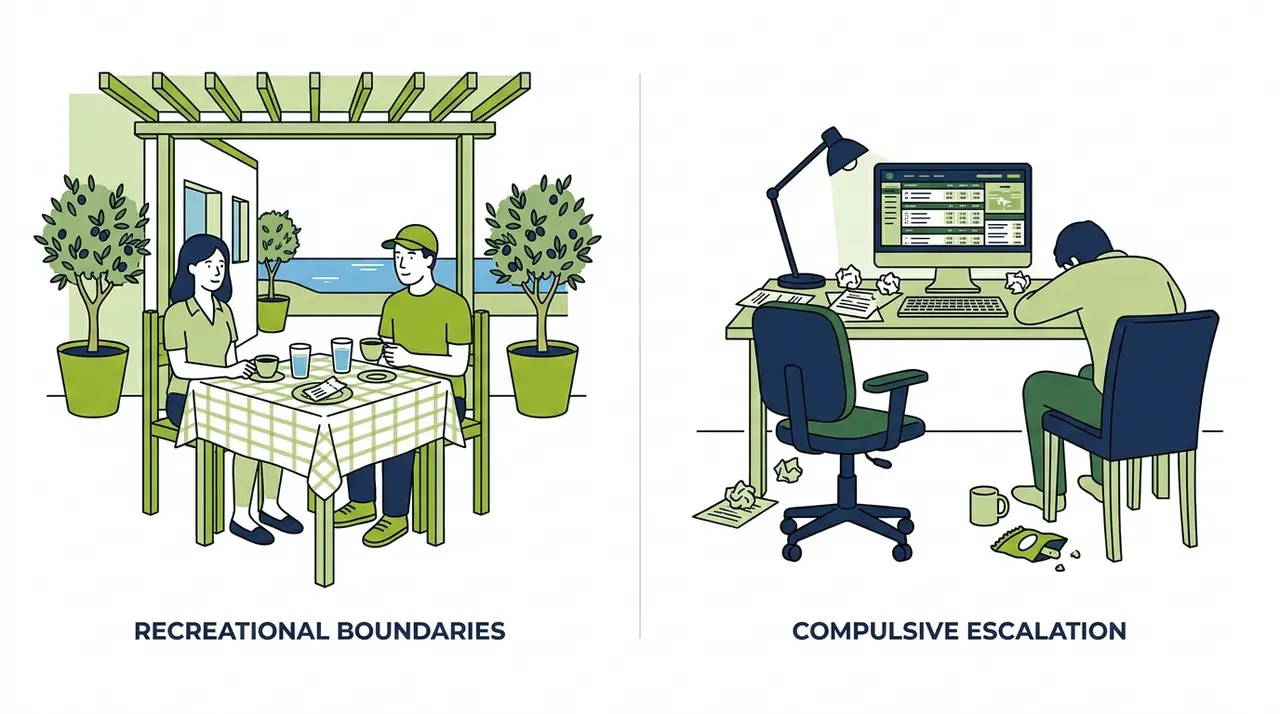
How do you know if gambling is a problem or just a phase?
Recreational play has clear limits. A social participant spends fifty euros on a championship game, treats it as an entertainment cost, and walks away when the match ends regardless of the result. A problem exists when those limits no longer hold and the activity turns from social entertainment into an emotional coping mechanism that is used in isolation to escape loneliness, anxiety, or pressure.
Functional red flags
A functional boundary breaks when betting intrudes on everyday responsibility. Deadlines slip because nights are spent tracking international fixtures, household maintenance falls behind, and personal commitments are cancelled at short notice. Sleep fragments because betting exchanges operate around the clock, and chronic exhaustion follows into the working day.
Emotional red flags
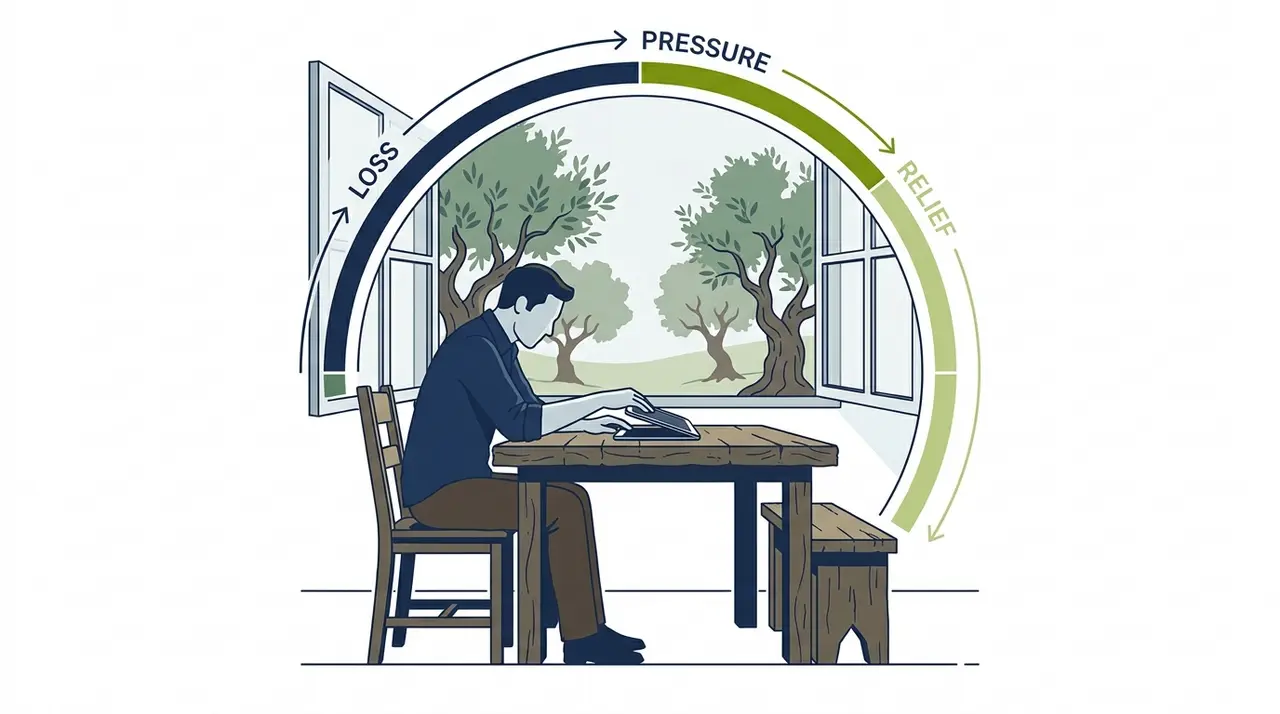
Emotional stability starts to track the outcome of events outside personal control. A minor loss triggers hours of sullen silence, while a modest win produces euphoria that evaporates the moment play resumes. Behind the volatility sits a private burden of shame, which is precisely what drives the person back to the screen to numb the discomfort.
What behavioural changes indicate problem gambling?
Compulsive wagering forces a person to live a double life, which demands constant mental energy. They must track which lies were told to which relative, intercept mail from banks before anyone else opens it, and explain cash withdrawals that leave no visible purchase behind.
Communication changes are often the first thing families notice. A brother or spouse who once enjoyed relaxed phone calls becomes hurried and monosyllabic. Old friendships are quietly dropped, bank cards move between accounts, and valuables such as watches and electronics begin to disappear through secondhand sales. Unusual excuses around money, such as sudden car repairs or a delayed salary payment, become regular conversation topics.
What emotional and psychological symptoms accompany gambling addiction?
Because no chemical substance is ingested, observers often assume compulsive gambling carries few physical symptoms. In clinical reality, the neurochemical surge from uncertain rewards floods the brain with dopamine, and severe emotional dysregulation follows when the stimulation drops. Between sessions, persistent low mood and anxiety are common, with the nervous system stuck in a fight-or-flight state driven by debt and the fear of exposure.
Many people describe sitting with their device, consciously wanting to stop, yet feeling an irresistible pull to tap the screen once more. That split between intention and action creates profound despair, and isolation becomes the default refuge from scrutiny. The progression usually moves through recognisable stages.
Recreational play. Occasional entertainment planned around social events, a strict budget treated as leisure spending, and genuine indifference to losses.
Early problem wagering. Frequent checking of odds and results, occasional spending beyond planned limits, and irritation or secret excitement when interrupted.
Clinical gambling disorder. Total absorption in securing funds and placing bets, severe debt and emergency borrowing, and chronic shame alongside panic and despair.
What financial warning signs indicate a gambling addiction?
Money is the fuel that keeps an active cycle burning, so financial irregularities often provide the clearest evidence of a hidden crisis. Household savings empty without any visible purchase to show for the depletion. One accountant in Limassol, for example, quietly moved four thousand euros at a time from joint savings into separate accounts over eighteen months while telling her husband the funds were tied up in fixed deposits.
Borrowing then shifts across multiple channels, from personal credit cards to short-term consumer loans to urgent requests for temporary bailouts from family and colleagues. Valuables follow as jewellery, electronics, and vehicles are sold through secondhand portals to fund the next round of play.
Why is chasing losses a primary sign of addiction?
The turning point from heavy recreational play to destructive dependency arrives when a person begins chasing losses. In published literature, including the MedlinePlus medical reference on compulsive gambling, returning to wager more money in order to recoup previous losses is identified as a hallmark symptom of clinical addiction.
For most people, a loss is a conclusion. For someone caught in compulsion, a loss is an intolerable debt that can only be cancelled by a larger bet placed immediately. The thinking rests on the gambler’s fallacy, the genuine belief that after a series of losses a big win is statistically guaranteed. Losing twelve hundred euros by midnight becomes the reason to deposit twenty-five hundred more at two in the morning.
Can you have a gambling problem without betting every day?
A widespread misconception is that addiction requires constant daily participation. Many individuals instead show what clinicians describe as binge gambling, remaining completely abstinent for weeks before suffering a catastrophic breakdown of control. A professional might place no bet for twenty-one days, then lose a monthly salary across a single weekend triggered by exhaustion or distress.
Frequency is not the primary diagnostic measure. What matters is the severity of control loss when play occurs, and the degree of psychological preoccupation during the quiet intervals between episodes. Even during dry spells, the binge player often lives with elevated tension, holding out through willpower alone until the compulsion overwhelms restraint once again.

Do online betting and sports gambling increase addiction risk?
The move from betting shops to smartphone applications has removed most traditional barriers. There is no walk past a counter, no social embarrassment, and no closing time. Mobile platforms offer round-the-clock access from pockets, boardrooms, and family bedrooms while wagering with digital balances detaches the nervous system from the reality of physical cash so completely that four hundred euros can vanish with two thumb taps.
Unique risk factors in digital betting
Modern platforms rely on in-play micro-betting, which allows wagers on single events within a match, such as the next yellow card. These ten-second reward loops accelerate dopamine spikes and remove natural pauses for reflection. Push notifications arrive all day as cognitive triggers, and digital privacy makes concealment effortless. An adult can sit beside their spouse on the sofa and quietly lose hundreds of euros under the glow of a tilted screen.
How does gambling addiction affect relationships and work?
Living alongside an unaddressed gambling compulsion takes a heavy toll on partners, children, and parents. The first casualty is trust, which dissolves under months of calculated deceit and broken promises. Partners describe living with a ghost, someone physically present but emotionally unavailable and irritable. When hidden liabilities finally surface, the family faces acute financial jeopardy alongside the emotional betrayal.
Work environments usually show the secondary shockwaves. Uncharacteristic absenteeism and morning lateness follow late-night sessions across different time zones, attention to detail slips, and deadlines are missed. Financial distress reaches the human resources office as requests for salary advances or early cash-out of holiday leave. Desperation can escalate into misappropriated funds, falsified expenses, and diverted client deposits when the person holds a senior role with access to company accounts.
When is professional help needed instead of stopping alone?
Families frequently spend months believing that sincere promises and willpower will be enough. An entrenched behavioural addiction, however, alters reward wiring in the central nervous system and makes independent recovery extremely difficult once severe dependency has taken hold. Professional support becomes essential when repeated attempts to quit have collapsed, debts are escalating, or mental health symptoms are appearing.
Clinical evidence supports this. A comprehensive systematic review and meta-analysis on cognitive behavioural techniques for gambling disorder found that structured therapeutic interventions significantly reduce gambling severity and associated harms. Stepping out of the everyday environment into a quiet, structured setting allows the nervous system to settle away from digital access and domestic triggers. Adults in structured residential care within our programme at Holina Village in Cyprus take part in clinical psychotherapies, therapeutic community living, and restorative daily routines that address the emotional distress beneath the compulsion.
A confidential conversation, with no pressure
If the signs described here feel familiar, whether for yourself or someone you care about, you can speak with our clinical team about residential treatment at Holina Village. We will listen, explain what we can offer, and help you decide the next step at your own pace.
How to talk to someone who is in denial
Confronting a loved one about hidden betting must be handled with calm preparation. Approaching them in anger, immediately after discovering a missing sum, will almost certainly trigger denial and counter-accusation. Choose a quiet, neutral moment, and remember that the goal is not to win an argument. The goal is to lay down concrete observations, express care, and refuse to take part in further deception. If you would like professional guidance before speaking, consulting our clinical team helps families prepare conversations that lower defensive barriers.
Opening phrases that work
Speak in the first person rather than through accusation. Something simple works best, such as saying that you have noticed how exhausted and worried they have seemed for the past two months, and that you feel concerned about what they are carrying alone. Ground the conversation in observable facts, such as three bank transfers last week that left the bills unpaid, rather than in character judgements.
Setting boundaries that protect the family
Kindness must not be confused with enabling. Stop bailing the person out of financial emergencies, because covering a gambler’s debts simply resets their credit limit and clears the path for the next cycle. Separate bank accounts immediately to protect mortgage payments and children’s savings, require full transparency over household spending, and refuse to lie to extended family or employers in order to protect the person’s reputation.
What immediate steps stop escalation today?
Stopping a rapid slide requires practical friction between the person and their money. That means installing certified blocking software on every device, closing online accounts, and requesting self-exclusion from national betting registries. Daily withdrawal limits can be cut to fifty euros, personal credit cards cancelled, and financial management handed temporarily to a trusted family member. Breaking the silence matters just as much, because the secrecy that feeds the compulsion begins to dissipate the moment one understanding person knows the truth. Making a confidential enquiry through our contact page allows individuals and relatives to explore residential treatment options calmly and discreetly.
When problem gambling becomes an emergency
Compulsive gambling carries a well-documented association with severe emotional distress and self-harm. Treat it as an immediate psychiatric emergency if a loved one talks about feeling trapped, expresses worthlessness, or hints that the family would be better off without them. Take every statement of despair seriously, never leave the person alone, and contact emergency healthcare services without delay.
Frequently asked questions
The signs of a gambling problem are quiet before they are loud. Preoccupation and secrecy, chasing losses, and unexplained financial strain are the markers worth acting on and appear long before the crisis that forces the conversation. If anything in this article describes you or someone you love, you are welcome to reach out for a confidential conversation with our clinical team at Holina Village. No pressure, no obligation, just an honest conversation about what might help.

About the Author
Yossi Zubari
CEO & Founder
Director and Senior Therapist working with addiction for over 25 years, and in personal recovery for almost 30 years.