The drive home takes the same route it always takes. The same petrol station, the same turning, the same friend who texts at the same time of the evening. The person behind the wheel has tried to stop several times now. Each attempt began with real intention and ended, more or less, in the same few streets. If you have arrived here wondering whether leaving the country might change something that staying has not, you are asking a more intelligent question than it first appears. This article looks honestly at what rehab abroad actually involves, who it tends to help, and what to check before making any decision.
Reading time: 5 minutes
Key Points
- Physical distance from a familiar environment removes the automatic cues that drive craving – buying the conditions for real clinical work to take place.
- Detox clears the body. Residential treatment addresses the reasons the body was being used that way in the first place. Confusing the two is costly.
- Duration matters. Four weeks is a beginning. Sixty to ninety days is where new patterns start to hold rather than merely appear.
- Aftercare is not an afterthought. The real test begins at the arrivals hall on the way home, and planning for that before discharge is what separates a stay that holds from one that fades.
What Rehab Abroad Actually Means
It is not a holiday with therapy attached. It is not a softer version of treatment for people who want a nicer view while they recover.
Rehab abroad is residential treatment. The person lives on site, inside a contained space, for a defined stretch of weeks, with clinical support around them through the day and through the night. The defining feature is not the destination. It is the deliberate physical removal from the environment a person has been trying, and failing, to recover inside.
This matters most for a specific kind of person – someone who has done outpatient work locally and relapsed more than once, someone whose daily life is saturated with cues, and someone who needs genuine privacy, far enough from their own city that recovery does not become public knowledge before they have decided who to tell. A residential setting within a structured addiction and recovery programme gives that person a full therapeutic container rather than an hour a week and a long, exposed return to the same flat.
Does Leaving the Country Really Improve the Odds
Distance is not magic, and any honest clinician will tell you that. But it is not nothing, either.
The brain links environment to use with remarkable efficiency. A street, a smell, a time of day, a particular argument – these become triggers because the nervous system has paired them, again and again, with relief. Craving is often the body responding to a cue before the conscious mind has even registered it. Remove the cues entirely, and that automatic loop loses its fuel for long enough that real work becomes possible.
That breathing room is where the actual treatment happens. Distance buys the conditions; clinical care does the changing. The research on effective treatment is consistent that outcomes depend on addressing the medical, psychological, and social roots of use together, and on staying long enough for new patterns to hold. The National Institute on Drug Abuse outlines what effective addiction treatment and recovery actually involves. Geography opens the door. What you do once you are through it decides the rest.
In this short interview, Holina’s founder and senior therapist Yossi Zubari describes how personalised treatment, on-site clinical staff, and somatic therapies work together inside the programme.
Why Families Choose Distance Over Proximity
There is an instinct, when someone you love is in trouble, to keep them close. Within reach. A short drive away in case something goes wrong.
That instinct is loving and, often, exactly the thing that keeps the cycle alive. Close to home means close to the supplier, close to the using friends, close to the family tension that may itself be part of the picture. It also means close to the risk of being seen. Many people delay treatment for months for one reason – the fear of running into a colleague, a neighbour, or a parent from the school gate, in the waiting room of a local clinic.
Residential treatment abroad removes that calculation. The person is not managing their reputation and their recovery at the same time. Inside a clean therapeutic space, with no one to perform for and nowhere familiar to drift back to, the whole of their attention can go where it needs to go.
The Quiet Engine – What a Therapeutic Community Does
Most people picture rehab as a series of one-to-one sessions with a therapist. Those sessions matter. They are not, on their own, the mechanism.
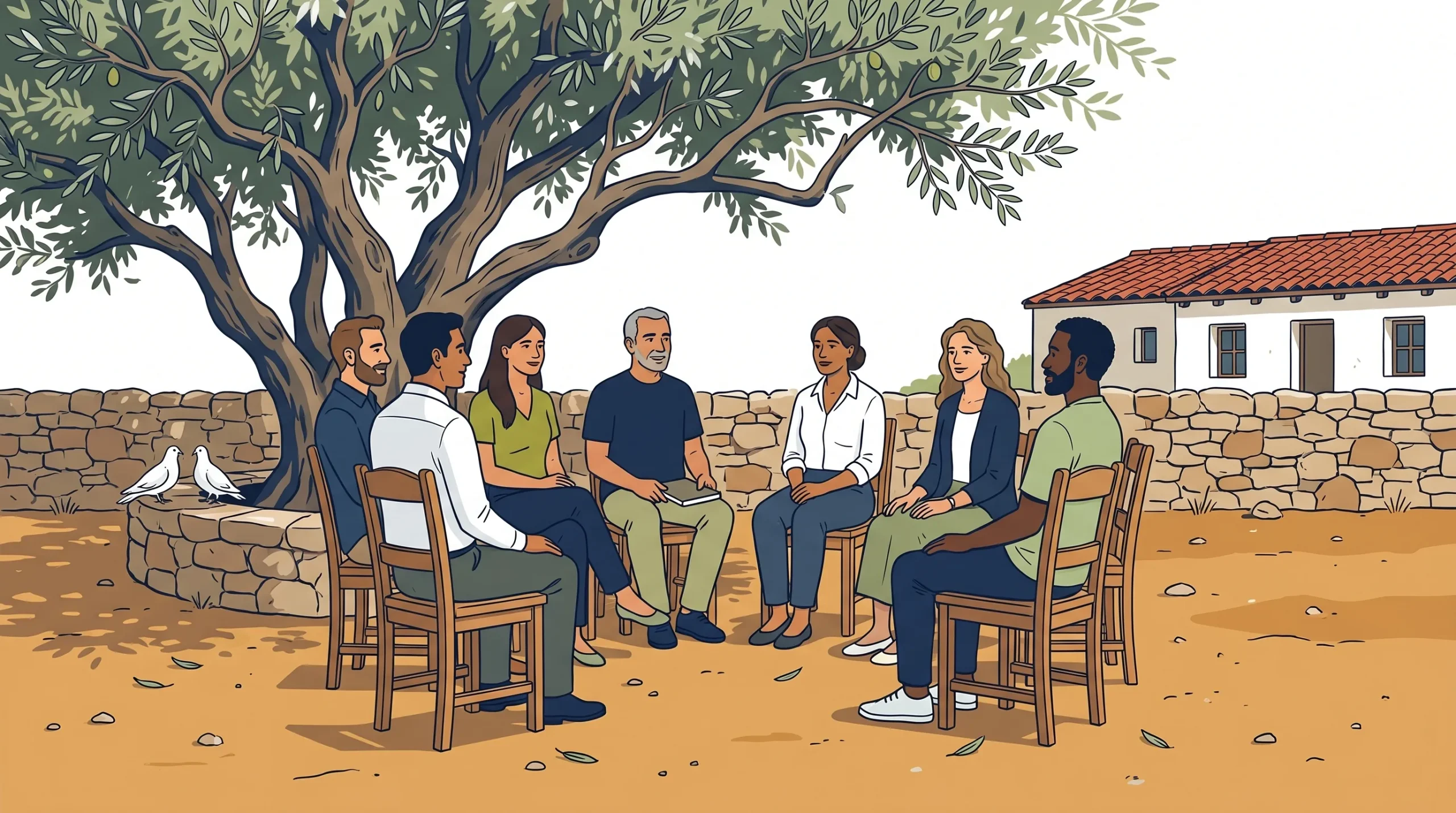
In a therapeutic community, the people recovering alongside you are part of the treatment itself. The shared routine, the daily tasks, the small responsibilities held in common, the honest reflection within a group of people who cannot be fooled because they have used every excuse you are about to use. Addiction tends to corrode a person’s trust in others and their belief that they are bearable company. Living in a structured community, taking a role, being relied upon, slowly rebuilds both.
The decades of research gathered in NIDA’s work on the therapeutic community model and its outcomes describe this relational substrate as central, not supplementary. It is the part a textbook cannot deliver.
Why Detox Alone Almost Never Holds
Detox and residential rehab are not the same thing, and confusing them is one of the most expensive mistakes a family can make. Detox clears the body. Rehab addresses the reasons the body was being used that way in the first place.
When Medical Detox Is Genuinely Necessary
Withdrawal from certain substances is not merely uncomfortable. Coming off alcohol or benzodiazepines can be medically dangerous and requires supervision, monitoring, and a careful pharmacological protocol under clinical eyes. This is not a stage to attempt alone at home. The clinical guidance on detoxification and substance use treatment protocols is clear that withdrawal management is a medical event in its own right.
Why Clearing the Body Is Only the Doorway
Here is the part the quick-detox advertisements leave out. Detox does nothing about the grief, the trauma, the depression, the chronic stress that the substance was managing. A person who detoxes and goes straight home, untreated, returns to the same internal weather with none of the old coping tools and none of the new ones. The relapse risk in that window is extremely high. Detox without what follows it is not treatment. It is an interruption.
Thinking About Residential Treatment
If you are weighing up whether a stay at Holina might be right for you or someone you care about, a confidential conversation with the team costs nothing and commits you to nothing. No pressure, no obligation – just an honest exchange.
Body and Mind Together – Why Holistic Is Not a Buzzword Here
Addiction is not only a behaviour to be corrected. It sits in the nervous system, in the body that has been flooded and depleted, in the mind that learned to reach for one thing whenever feeling became too much.
This is why clinical work runs alongside somatic and body-based practice – breathwork, yoga, movement, time outdoors, proper nutrition, mindfulness. None of these replace psychotherapy. What they do is help a worn-out nervous system learn to regulate again, so that the person is calm enough to do the harder talking.
Research reviews of mindfulness-based interventions for substance use disorders point to real effects on craving and relapse-related patterns. At Holina the farm, the orchards, and the animals are part of this. The setting feels nothing like a clinical facility, and that is entirely the point. You can read more about how outdoor and adventure activities are woven into the treatment model here.
What It Costs, and What the Price Should Already Include
Cost is the question families circle around and rarely ask directly. So let us be plain about it.
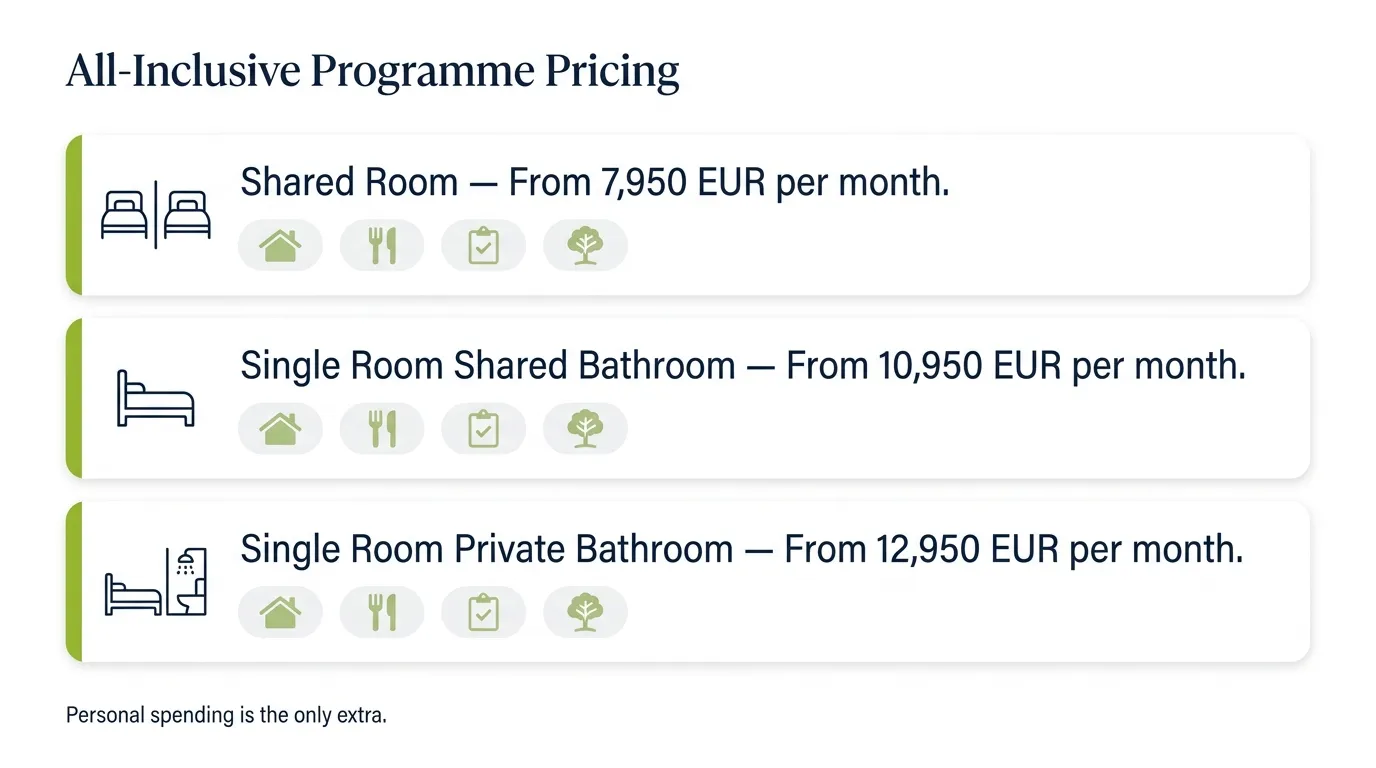
Price varies with location, the staff-to-resident ratio, the level of accommodation, and what is genuinely bundled into the fee. The most useful thing you can do is compare programmes on what is actually included. At Holina the fee is all-inclusive in a real sense – accommodation, meals, individual and group clinical sessions, the adventure and farm activities, and airport transfers. Personal spending money is the only extra.
| Room Tier | From (per month) | What Is Included |
|---|---|---|
| Shared Room | €7,950 | All-inclusive – accommodation, meals, clinical and group sessions, adventure and farm activities, airport transfers |
| Single Room, Shared Bathroom | €10,950 | As above, with a private bedroom |
| Single Room, Private Bathroom | €12,950 | As above, with full private facilities |
Hidden Costs – The Questions to Ask Before You Land
The worst time to discover an unexpected charge is after the plane has touched down and someone you love is already settling in.
Ask whether routine drug testing is part of the package or billed separately. Ask whether psychiatric care, if it is needed, is included or extra. Ask what happens financially if a resident has to be transferred to a local hospital. Ask whether there is any refund for unused days in the event of an early departure. A reputable centre answers these questions without flinching. Vagueness around money is itself a signal worth paying attention to.
How Long Is Long Enough
The honest answer disappoints people who want it to be short. A four-week stay allows the nervous system to recalibrate and the immediate chaos to settle. It is a beginning, not a finish.
Changing entrenched patterns of thought, and doing the slower work of healing trauma, generally needs longer. Sixty to ninety days is where new habits start to hold rather than merely appear. The NIDA principles-of-effective-treatment research ties duration directly to long-term outcome – shorter stays are better than nothing, but a month sold as a complete cure should make you cautious.
Checking That a Centre Is Safe, Ethical, and Real
Distance cuts both ways. The same border that protects your privacy can also hide a centre that should not be operating. Due diligence here is not paranoia. It is basic care.
Be wary of any promise of a hundred per cent success rate – recovery does not work that way, and anyone claiming otherwise is selling something. Be wary of secrecy around methods, anonymous or unnamed clinicians, and an absence of any structured plan for what happens after discharge.
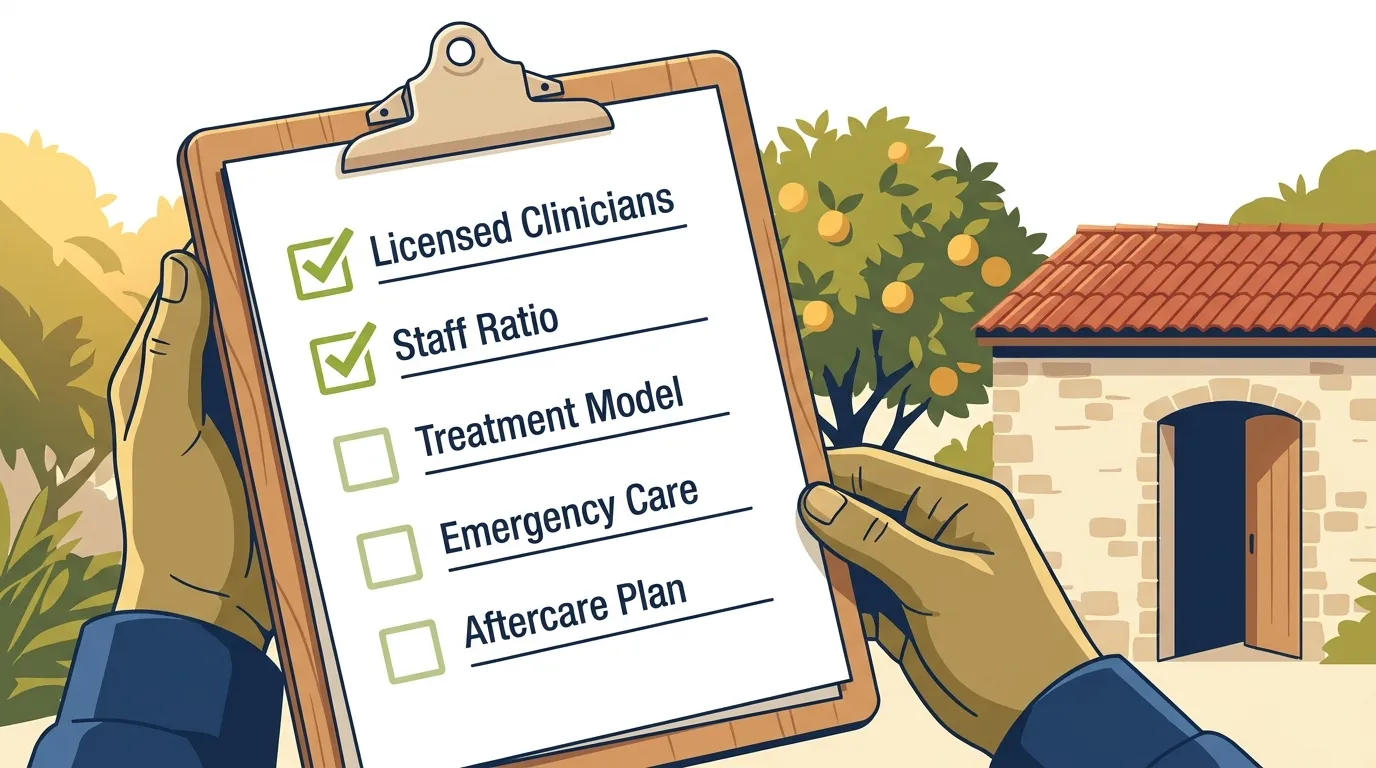
Then ask the real questions. Do the clinical staff hold recognised licences? What is the staff-to-resident ratio? Which treatment models do they actually use, and how is medical care handled on site and in an emergency? An open named clinical team page is a good sign. Centres that cannot show you who is treating you deserve scepticism.
When There Are Two Problems, Not One
A great many people who develop an addiction are also living with something else – anxiety, depression, bipolar disorder, or the long shadow of PTSD. This is dual diagnosis, and it changes everything about how treatment must be run.
Treating the addiction while ignoring the mental illness underneath it is like bailing a boat without finding the hole. The two have to be addressed together, in an integrated way, by a team that communicates across disciplines. Split them across separate services and the gap between them is exactly where a person falls.
For a large number of people, the substance was a solution before it became the problem – a crude, available, effective way to quiet a pain that had no other exit. This is why trauma work cannot wait until after recovery. It has to be woven into it, carefully, at a pace the person can bear. EMDR, somatic body-based approaches, trauma-focused psychotherapy. The aim is to treat the wound the substance was medicating, so that staying clean does not mean living with the original pain raw and untouched.
Recovery can also surface grief that has been numbed for years. Understanding how grief and loss interact with recovery in adulthood is part of that integrated picture.
Why Cyprus
For someone leaving the UK or Israel, the practical case for Cyprus is straightforward. It is close – close enough that a family can visit when it matters, close enough that the flight does not become its own ordeal.
Then there is the place itself. The Mediterranean climate is gentle through most of the year. The quiet of the countryside near Achnas carries something that no clinic corridor can replicate. There is real evidence that natural environments support nervous system regulation, and Holina Village sits inside that landscape deliberately.
A working farm, room to move, a setting that signals to the body that it is safe now – alongside the full clinical apparatus a serious recovery requires. The natural surroundings and the clinical rigour are not a trade-off here. You get both, which is rather the point of choosing carefully.
What Happens When the Plane Lands Back Home
The real test begins at the arrivals hall on the way home. The contained space is gone. The old streets are exactly where you left them.
Building a Recovery Net in Your Own Country
This is why aftercare is not an afterthought. Local support groups, ongoing one-to-one therapy, sometimes a sober companion for the first stretch. The evidence on continuing-care programmes shows how sharply they reduce relapse in the first year when planned properly and started before discharge.
The environment at home has to shift as well. Distance from people who still use. A physical clearing-out of familiar spaces. A daily rhythm with movement and sleep built into it – the same structure that held in the centre, rebuilt in smaller form, where you actually live. Planning this before discharge, not after, is what separates a stay that holds from one that fades.
Questions People Often Ask
Rehab abroad is not the right fit for every person or every situation. But for someone who has tried to recover inside their own environment and not managed it, the deliberate removal of familiar cues – combined with clinical care that addresses the whole picture – can shift the odds meaningfully. The length of stay, the quality of the dual-diagnosis and trauma work, and the aftercare planned before discharge matter more than the destination itself.
If you have read this far, you are probably no longer asking whether the situation is serious. What remains is the smaller, harder step of letting yourself be met by people whose work is precisely this.
Ready to Talk When You Are
When you are ready to have that honest conversation, the team at Holina are available for a confidential call or message. Nobody on the other end will be surprised by anything you say, and there is no obligation beyond the conversation itself.
About the Author
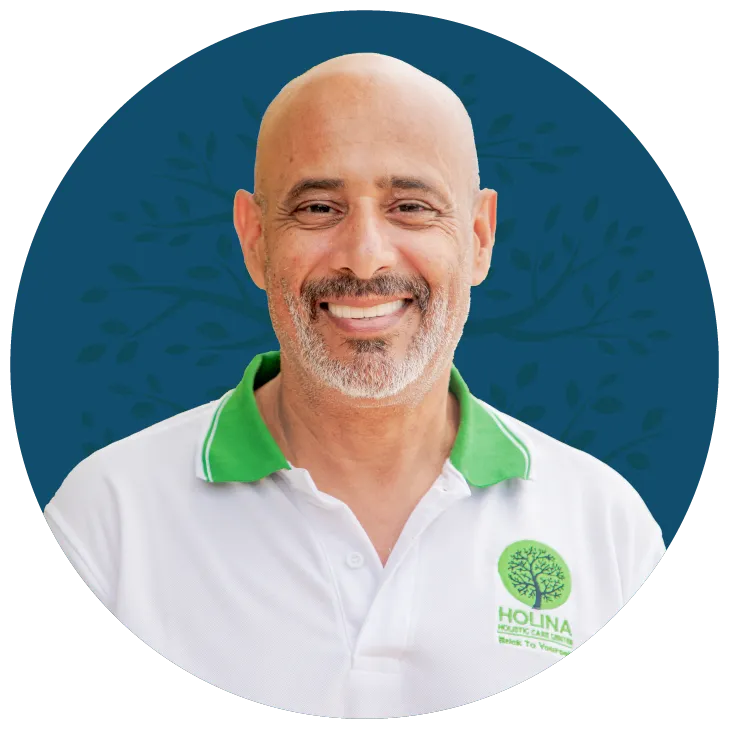
Yossi Zubari
CEO & Founder
Director and Senior Therapist working with addiction for over 25 years, and in personal recovery for almost 30 years.