
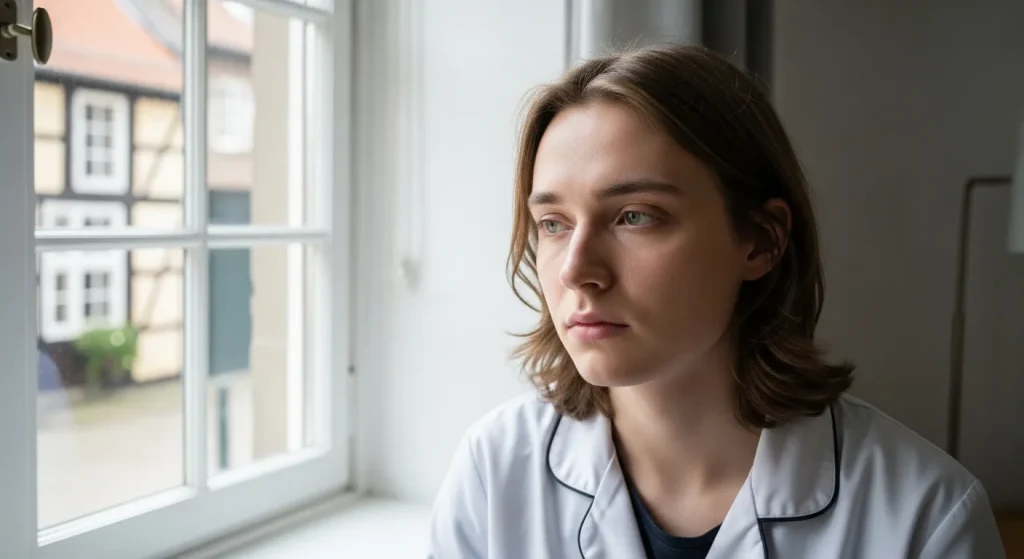
Every parent knows the feeling — your teenager comes home quiet, retreats to their room, and seems distant for days. You wonder whether something is genuinely wrong or whether this is simply the emotional turbulence that comes with adolescence. It is one of the most difficult questions a parent can face: is my teen depressed, or are they just going through a rough patch?
The honest answer is that the line between sadness and clinical depression is not always obvious, even to trained professionals. Sadness is a normal, healthy human emotion. It comes in response to disappointment, loss, social stress, or the everyday pressures of teenage life — and it passes. Depression is something fundamentally different. It is a persistent, clinically recognised condition that affects how a young person thinks, feels, sleeps, eats, and functions day to day. Left unaddressed, it can deepen into something far more serious.
Recognising the teenager depression signs early can make an enormous difference to your child’s wellbeing and to the path their recovery takes. The earlier families understand what they are seeing, the sooner the right support can be put in place — whether that is professional assessment, therapeutic intervention, or a structured residential programme with proper clinical oversight.
This guide is designed to help you understand the difference clearly, without alarm and without dismissal.
Sadness vs. Depression: What Parents Need to Know
Sadness is a normal, healthy part of being human — and adolescence brings more than its fair share of it. Friendship fallouts, exam pressure, romantic disappointment, identity confusion: these are real difficulties, and they produce real emotional pain. Watching your teenager struggle through them is hard. But most of the time, that sadness lifts. Something shifts, they bounce back, and life moves forward again.
Depression is different. Not just in intensity, but in its very nature. Clinical depression — formally known as Major Depressive Disorder — is not sadness turned up louder. It is a distinct neurobiological condition that affects mood, cognition, physical functioning, and behaviour simultaneously. It does not lift after a good night’s sleep or a conversation with a friend. It persists, deepens, and quietly dismantles a young person’s ability to engage with their own life.
The challenge for parents is that the early signs of depression in teenagers can look deceptively ordinary. Withdrawal, irritability, low motivation, disrupted sleep — these are things we expect adolescents to experience at some level. This overlap is precisely why so many families wait six months or longer before seeking help. It is not a failure of attention. It is genuinely difficult to know.
Clinically, there are several markers that distinguish depression from typical adolescent sadness. A useful starting point is duration and pervasiveness. Ask yourself:
- Has this low mood been present most days for two weeks or longer?
- Does it affect multiple areas of life — school, friendships, home, physical health?
- Is your child unable to feel pleasure in activities they previously enjoyed, even briefly?
- Have you noticed changes in appetite, sleep, concentration, or energy that have no clear physical explanation?
- Are they expressing feelings of worthlessness, hopelessness, or that things will not get better?
If you are answering yes to several of these questions, you are not overreacting by taking it seriously. Persistent low mood in a young person that crosses multiple domains of functioning warrants a proper clinical assessment — not a wait-and-see approach. The earlier depression is identified and responded to, the better the outcomes tend to be.
It is also worth knowing that teenage depression frequently presents differently from adult depression. Rather than appearing visibly sad, many depressed adolescents present primarily as irritable, angry, or emotionally reactive. Parents sometimes describe their child as having become a different person — hostile, withdrawn, impossible to reach. This is not defiance. In many cases, it is depression wearing a mask that neither the young person nor those around them immediately recognise.
Clinical Signs That Suggest Depression — Not Just a Difficult Phase
Every teenager experiences low moods, frustration, and emotional turbulence. That is entirely normal. But clinical depression is something different — it is a recognised medical condition that changes the way a young person thinks, feels, and functions across every area of their life. Knowing what to look for can help you act at the right time, rather than waiting and hoping things improve on their own.
The distinction often comes down to duration, intensity, and functional impairment. Sadness linked to a specific event — a break-up, an exam failure, a falling-out with friends — typically eases within days or a couple of weeks as the situation resolves. Depression, by contrast, persists. If your teenager has been struggling for more than two weeks with little improvement, that warrants serious attention.
Clinical depression in adolescents frequently presents differently than in adults. Rather than appearing visibly tearful or withdrawn, many young people present with irritability, anger, and hostility — which can make it easy to misread their distress as defiance or a bad attitude. You may be dealing with depression, not behavioural problems, if you are noticing several of the following:
- Persistent low mood or emotional numbness lasting most of the day, nearly every day
- Loss of interest or pleasure in activities they previously enjoyed — sport, music, friendships, hobbies
- Significant changes in sleep patterns — either sleeping far too much or struggling to sleep at all
- Noticeable changes in appetite or weight without an intentional reason
- Declining academic performance or repeated absences from school
- Social withdrawal — pulling away from family and close friends
- Expressing feelings of worthlessness, excessive guilt, or hopelessness about the future
- Difficulty concentrating, making decisions, or remembering basic things
- Physical complaints — headaches, stomach aches — with no clear medical cause
- Any mention of not wanting to be alive, self-harm, or suicidal thoughts
That final point requires immediate action. If your child has expressed thoughts of suicide or self-harm — even casually, even once — do not wait to seek professional assessment. These statements should always be taken seriously.
It is also worth noting that adolescent depression rarely travels alone. It frequently co-occurs with anxiety disorders, disordered eating, substance use, or emerging trauma responses. A clinically trained professional will assess the full picture rather than focusing on a single symptom in isolation — which is why a thorough evaluation by a qualified specialist is so important before drawing any conclusions or beginning any kind of treatment.
When to Seek Professional Help — and What That Help Can Look Like
If you have been reading through the signs and still feel uncertain, that uncertainty itself is worth taking seriously. Parents who seek a professional assessment and discover their teenager is simply going through a difficult patch lose very little. Parents who wait too long when clinical depression is present can find themselves managing a crisis that has become significantly harder to treat. When in doubt, act.
There are specific situations where professional support should not be delayed:
- Your teenager has expressed thoughts of self-harm, death, or not wanting to be alive — even once, even quietly
- Their functioning has declined noticeably over four weeks or more across school, relationships, and daily routines
- They have begun using alcohol, cannabis, or other substances to cope with how they feel
- Sleep, appetite, or energy levels have changed so significantly that physical health is being affected
- They are refusing to leave the house, attend school, or engage with anyone outside the family
- You notice increasing emotional numbness or a complete absence of their previous personality
Your first step can be a GP or adolescent mental health referral, but NHS and state-funded waiting lists across Europe are often lengthy. For families dealing with moderate to severe presentations — particularly where depression is accompanied by substance use, trauma, or behavioural breakdown — a residential programme offers something outpatient appointments cannot: consistent, clinically supervised care around the clock, in an environment removed from the triggers and pressures that maintain the problem.
At Holina Village Cyprus, our residential programme for young people aged 17 to 25 is built around evidence-based therapeutic models including CBT, trauma-informed care, and structured family involvement. Treatment is not handed to your child while you wait at home. Families are considered central to the recovery process from the very first week, with regular sessions designed to rebuild communication and trust in ways that are practical and lasting.
Depression in a teenager is not a character flaw, a parenting failure, or something that resolves on its own when the right conditions are not in place. It is a clinical condition that responds well to the right intervention. You do not need to be certain before you reach out. You only need to be concerned — and you already are.
Distinguishing between ordinary sadness and clinical depression in a teenager is not always straightforward, but it is one of the most important assessments a parent can make. Sadness responds to time, connection, and circumstance. Depression does not. It persists, deepens, and quietly erodes a young person’s ability to function, connect, and believe that things can be different. Left unaddressed, adolescent depression carries real risks — including self-harm, substance use, and academic or social collapse that becomes harder to reverse the longer it continues.
If you have been reading through the signs described in this article and recognising your child, trust that instinct. Parents are often the first to notice the shift — the withdrawal, the flatness, the changes in sleep, appetite, or motivation that simply do not lift. You do not need certainty to reach out for help. You need only concern.
At Holina Village Cyprus, our clinically supervised residential programme supports young people aged 17 to 25 experiencing depression, anxiety, and co-occurring behavioural challenges. Our evidence-based treatment model is built around the individual, with structured family involvement throughout. Contact our team today for a confidential, no-obligation conversation about your child’s needs.