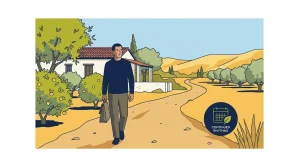
Marcus sits in his studio flat in a city of two million people, the blue light from his laptop screen casting shadows across an unmade bed. It is 11 p.m. on a Thursday. He has not spoken aloud to another human being in four days. His phone rests on the desk, notifications from group chats he has muted months ago. He opens Instagram, scrolls through images of university friends at dinners, at festivals, at someone’s wedding. He closes it. The silence in the room feels less like absence and more like presence, a weight that settles across his chest and makes breathing feel like a conscious, effortful task. He is twenty-three years old, employed, educated, and profoundly alone.
This is not shyness, and it is not introversion. This is loneliness, a psychological condition distinct from solitude, characterised by a painful discrepancy between the social connections one has and those one desires. In recent years, loneliness among young adults has emerged as a significant mental health concern, with documented associations to depression, anxiety, and physiological stress responses. The experience cuts across socioeconomic lines and education levels, affecting those who appear externally successful. It often goes unnamed and untreated, dismissed as a personality trait rather than a clinical phenomenon worthy of intervention.
This piece is for young adults experiencing persistent loneliness despite social opportunity, their families, and clinicians seeking a structured therapeutic response to this increasingly prevalent condition.
What This Is, Specifically
Loneliness is defined in clinical literature as a subjective, distressing experience resulting from a perceived gap between one’s desired and actual social relationships. Unlike social isolation, which is objective and measurable, loneliness is fundamentally subjective. A person may have regular social contact yet experience profound loneliness; conversely, someone living alone may feel entirely connected. This distinction is crucial in assessment and treatment.
Research published in The Lancet has demonstrated that loneliness carries health risks comparable to smoking and exceeds those of obesity and physical inactivity. Young adulthood, typically defined as ages 18 to 25, presents a particular vulnerability. This life stage involves simultaneous social transition, identity consolidation, and often geographical displacement from childhood support systems. The prevalence of loneliness in this demographic has intensified in the post-pandemic period, with increased reliance on digital communication occurring alongside reduced in-person social practice.
The psychological mechanisms underlying loneliness involve both cognitive and neurobiological components. Loneliness activates threat-detection systems in the brain, creating a state of hypervigilance toward social rejection. This neurobiological shift paradoxically makes authentic connection more difficult, as the lonely individual becomes sensitised to perceived slights and withdraws protectively. Clinical guidance from the BMJ emphasises that loneliness frequently co-occurs with depression, anxiety, and suicidal ideation, particularly in younger populations, making early identification and intervention essential.
Why Standard Treatment Often Misses This
Conventional mental health services often treat loneliness as a secondary symptom rather than a primary condition. When a young adult presents with depression or anxiety, clinicians may address the mood disorder while overlooking the social disconnection that frequently precipitates it. Cognitive behavioural therapy, whilst evidenced for anxiety and depression, does not inherently rebuild social capacity or address the deeply relational nature of loneliness. A person may complete a course of therapy, achieve symptom reduction, and yet remain profoundly isolated.
Primary care rarely screens for loneliness systematically. The condition lacks the diagnostic clarity of depression or generalised anxiety disorder, leading to underrecognition. Additionally, young adults often experience shame about loneliness, framing it as a personal failing rather than a treatable condition. They may avoid disclosure entirely, or present only with depression symptoms, leaving the underlying relational rupture unaddressed.
Community mental health teams, typically brief and problem-focused, lack the continuity and environmental richness required to rebuild social skills and emotional capacity for connection. Digital therapeutics and online therapy, whilst accessible, ironically perpetuate the same medium through which many lonely young adults have become isolated. What is often needed is not another intervention delivered through a screen, but immersion in a carefully structured relational environment where authentic social reconnection becomes possible through daily lived experience.
The Neurobiological Cost of Sustained Loneliness
Chronic loneliness induces measurable changes in stress hormone regulation, particularly elevated cortisol, which impairs immune function and accelerates inflammatory ageing. Young adults are not exempt from these physiological consequences; early-life loneliness establishes patterns that carry forward. The brain regions involved in social processing and emotional regulation, including the prefrontal cortex and amygdala, remain plastic during young adulthood, making this period critical for intervention.
Loneliness also creates what researchers term “social pain,” which activates the same neural pathways as physical pain. This explains the visceral distress many young adults report. It is not psychological weakness; it is neurobiological reality. Furthermore, loneliness is self-perpetuating. The hypervigilance to rejection, combined with withdrawal, creates a cycle in which social skills atrophy and opportunities for genuine connection are avoided. Without intervention, this cycle deepens, and the belief that connection is impossible becomes self-fulfilling.
Understanding this biology is crucial because it reframes loneliness from a character flaw to a treatable condition requiring environmental and relational change, not simply cognitive restructuring.
What a Residential Period Provides
A residential treatment programme provides what outpatient care cannot: immersion in a relational ecosystem where social connection happens through shared daily living rather than through appointment slots. The therapeutic community at Holina Village creates an environment in which young adults move beyond isolation through structured engagement, purposeful activity, and consistent relational mirroring from both staff and peers.
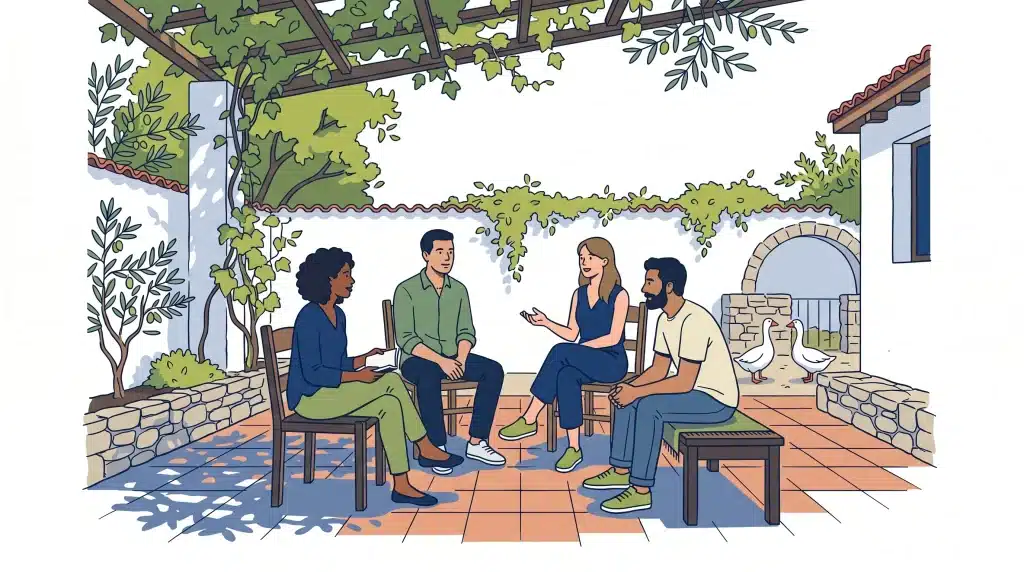
Within this setting, young adults experience daily rituals of connection, shared meals, collaborative projects, and facilitated reflection on relationships. Loneliness loses its invisibility when addressed within a community that recognises it as a legitimate clinical concern. The environment provides both safety and appropriate social challenge, allowing nervous systems to recalibrate toward connection. Peer relationships formed in this context become powerful correctives to the shame and hypervigilance that loneliness creates.
A residential period interrupts the isolation cycle at a depth that outpatient intervention rarely achieves, reintegrating young adults into authentic relational experience.