When School Stops Working
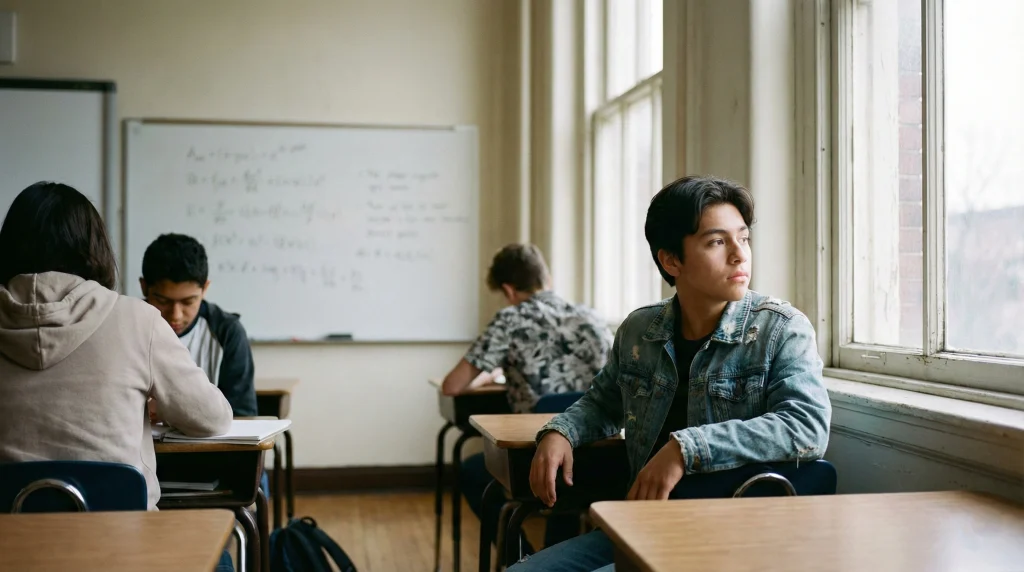
For many families, the first sign of deeper struggle begins in the classroom. Grades drop, attendance slips, or motivation fades — and what once felt like normal teenage resistance slowly becomes avoidance, anxiety, or complete withdrawal.
When a young person stops engaging with school, it’s rarely because they don’t care. More often, they’re overwhelmed. Something beneath the surface — trauma, addiction, emotional dysregulation, or burnout — has made learning feel unsafe.
At Holina Village Cyprus, we help young adults reconnect to both education and self through a model that blends therapeutic care and academic growth. It’s not about catching up with school; it’s about rebuilding the confidence to learn again.
Why Traditional School Systems Can Fail Struggling Students
Schools are designed to teach academics, not to heal emotional pain.
When a student begins to struggle emotionally, the focus often shifts to performance, attendance, and discipline — rather than understanding the root cause.
Young people who have experienced trauma, bullying, or learning difficulties may begin to associate education with fear, shame, or failure.
Traditional classrooms often reinforce these feelings unintentionally. The result is disconnection — from learning, from teachers, and from self-belief.
Holina Village offers a different path — one that recognizes that emotional stability is the foundation of academic success.
“When we help young people feel safe again, learning happens naturally.”
— Educator, Holina Village Cyprus
The Emotional Impact of Academic Pressure
Academic performance is often tied to a young person’s sense of identity.
When grades decline, it can feel like proof of inadequacy. For some, that pain turns inward — leading to depression, anxiety, or self-destructive behaviors.
At Holina Village, we help students separate their self-worth from achievement. They learn that education is not about perfection — it’s about discovery.
This shift transforms learning from a pressure into a possibility.
A Bridge Between Two Worlds: School and Recovery
Many families fear that enrolling their child in a therapeutic program will mean “losing” their education.
At Holina Village, the opposite is true.
Our program is designed to bridge the gap between recovery and traditional education, helping young people rebuild emotional foundations while staying academically engaged.
Through our partnership with UCLan Cyprus, students can pursue accredited learning while receiving therapeutic support — ensuring that recovery and education go hand in hand.
We call it therapeutic education: a model that teaches emotional resilience and intellectual curiosity in equal measure.

The Holina Approach to Educational Healing
Every student at Holina follows a personalized plan that balances therapy, academics, and life skills. The goal is not just academic re-entry but emotional readiness.
1. Restoring Emotional Safety
Before learning can begin, students must feel safe — physically, emotionally, and socially. Holina’s nurturing environment helps them rediscover trust in themselves and others.
2. Personalized Academic Reintegration
Education at Holina adapts to the student’s pace. Some need gentle reintroduction; others are ready for structured study and exam preparation.
3. Therapeutic Support Throughout
Therapists work alongside teachers to integrate emotional regulation techniques into the learning process. When frustration or anxiety arises, it becomes a moment for growth, not punishment.
4. Life Skills and Executive Function Coaching
Students practice organization, time management, and goal-setting — essential tools for returning to school or higher education with confidence.
This integrated approach transforms learning into a healing process rather than a source of stress.
Learning Beyond the Classroom
At Holina Village, education extends beyond books and lessons.
Students learn through experience — cooking, community living, art, mindfulness, and service projects.
Every activity reinforces emotional awareness, teamwork, and practical competence.
It’s not just about academics; it’s about preparing for real life with emotional maturity and purpose.
“I used to think school wasn’t for me. Now I actually want to learn again.”
— Student, 17
The Importance of Routine and Structure
Structure provides stability — especially for young adults who’ve felt lost or chaotic.
Holina’s daily routine mirrors the rhythm of a healthy lifestyle: morning mindfulness, academic study, therapeutic sessions, community meals, and reflective evenings.
This balance helps students regain focus and accountability. They learn that structure doesn’t limit freedom — it creates it.
Over time, students carry this sense of balance into their next steps, whether that’s returning to mainstream education, pursuing further studies, or entering the workforce.
Rebuilding Confidence and Motivation
Many young people arrive at Holina feeling like they’ve failed — by school, by family, or by themselves. Their confidence is fragile, and their identity is often shaped by negative feedback.
Our educators and therapists work gently to rebuild that sense of self-worth.
Small successes — completing a task, writing a paragraph, leading a group project — become milestones of recovery.
Confidence grows not from praise alone, but from the experience of competence.
When a young person rediscovers their ability to learn, they rediscover their belief in themselves.
The Role of Connection in Learning
Emotional connection is the foundation of all education.
At Holina Village, learning happens in relationships — between students and teachers, peers, and mentors.
Teachers are trained in emotional intelligence and trauma-informed communication, ensuring that every lesson supports both the mind and the heart.
Students feel seen, valued, and safe — the conditions where learning naturally thrives.

Preparing for Reintegration
As students near the end of their time at Holina, the focus shifts to reintegration.
For some, that means returning to school with new coping strategies and structure. For others, it’s moving on to university, vocational training, or independent living.
Transition planning includes ongoing mentorship, academic recommendations, and family support to ensure that progress continues after the program.
The goal is not just graduation — it’s sustainability.
We want every young person to leave with the skills, confidence, and self-awareness to thrive in their next chapter.
How Parents Can Support the Transition
Parents play a vital role in bridging school and recovery.
Through family support and parent workshops, we teach how to encourage academic growth without pressure.
Parents learn to ask questions with curiosity, not criticism — and to celebrate effort as much as outcomes.
This approach creates a supportive home environment where learning is associated with love, not fear.
“We stopped asking about grades and started asking how our son was feeling about learning. Everything changed.”
— Parent, UK
Why This Model Works
The success of Holina’s educational-recovery model lies in integration.
Instead of treating emotional healing and academics as separate, we unite them.
When a young person learns emotional regulation, focus improves.
When they feel understood, motivation returns.
When they rediscover safety, curiosity blooms.
The result is not just academic success — it’s emotional empowerment.
Stories of Rediscovery
“I used to think I wasn’t smart enough for school. At Holina, I realized I just needed the right environment.”
— Student, 18
“Our daughter found joy in learning again. The shift was incredible.”
— Parent, Cyprus
“Holina gave me both — healing and education. I finally feel ready for my future.”
— Graduate, 20
Each story reminds us that learning and healing are not separate paths. They are one journey — and when united, they transform lives.
FAQs About School-to-Recovery Transition
Q1: Can my child continue formal education during treatment?
Yes. Holina partners with UCLan Cyprus to offer accredited educational pathways alongside therapeutic care.
Q2: What if my child has been out of school for a long time?
We specialize in reintegration. Our individualized programs meet each student where they are, both emotionally and academically.
Q3: Do you work with learning difficulties or ADHD?
Yes. Our multidisciplinary team supports a range of learning and emotional challenges with tailored strategies.
Q4: How do you measure academic progress?
Progress is assessed through participation, engagement, and confidence — not just grades.
Q5: Can families be part of the educational process?
Absolutely. Family sessions often include education planning and collaborative goal setting.
Conclusion: Education as a Path to Healing
At Holina Village Cyprus, we believe that recovery and education are not competing goals — they are complementary journeys.
When a young person begins to heal emotionally, their mind opens to learning again.
When they rediscover curiosity, they rediscover themselves.
Our mission is to make that transition gentle, empowering, and lasting — to help every student move from survival to purpose, from avoidance to engagement, from pain to possibility.
Start your child’s healing journey with Holina Village Cyprus today.
Where learning and recovery grow side by side.