Mixing cocaine and alcohol is one of the most common drug combinations, and one of the least understood. Most people who do it believe they are simply pairing two familiar substances, when in fact their liver is producing a third compound, cocaethylene, that was never consumed and that is significantly more toxic than either drug on its own. This article explains what actually happens in the body, why the combination feels deceptively controlled, what the real risks are to the heart and brain, and when and how to seek help.
Reading time: 5 minutes
Key Points
- Combining cocaine and alcohol creates cocaethylene in the liver, a third psychoactive compound more cardiotoxic than cocaine alone.
- Cocaethylene stays in the body two to three times longer than cocaine, so the strain on the heart continues hours after the effects fade.
- Each drug masks the effects of the other, which removes the natural signals that normally limit how much a person consumes.
- There is no reliably safe time gap between the two substances, because alcohol remains in the body long after the feeling of intoxication passes.
Table of Contents
- What Happens in the Body When Cocaine and Alcohol Combine
- What Cocaethylene Is and How It Forms
- Why Cocaethylene Is More Dangerous Than Cocaine Alone
- The Deceptive High and the Broken Off-Switch
- A Young Heart Does Not Mean a Young Risk
- The Brain Under Pressure
- The Day After
- Signs That Require an Immediate Emergency Call
- Is There a Safe Time Gap?
- How Long the Substance Stays in the Body
- Polydrug Use and Double Dependency
- What to Do Now, and What Not to Do
- When It Stops Being Recreation
- On Treatment Itself
What Happens in the Body When Cocaine and Alcohol Combine
Alcohol is a depressant of the central nervous system. It slows things down. Cocaine is a stimulant. It speeds things up. Both act on the same systems in the brain, in opposite directions, and the body must process two contradictory commands at the same time.
The felt result is a false sobriety. Cocaine masks the drunkenness, heaviness and fatigue of alcohol. Alcohol, in turn, dulls the alertness, anxiety and tension that cocaine produces. The user feels balanced. They are not balanced. They are flooded.
The combination does not neutralise the substances. It neutralises the feeling of them, and only that. The load on the heart, the liver, the blood vessels and the control mechanisms that are supposed to stop us is doubled. Without the natural off-switches, the fatigue that signals we have drunk enough, the heaviness that signals we have reached our limit, people drink more and use more than they would ever dare with either substance alone. That is not a failure of character. It is precise chemical engineering.
What Cocaethylene Is and How It Forms
Now for the part most people who combine the two substances do not know at all, and it may be the most important thing in this article. When cocaine and ethanol, which is alcohol, are present together in the bloodstream, the liver produces a third compound called cocaethylene.
This is not a passive breakdown product that the body simply discards. It is an independent, active psychoactive compound, potent in its own right. Its chemical structure is well documented in medical databases, including the PubChem record for cocaethylene, and it forms only when both substances are present together. Nobody took it. It was created inside them.
The Mechanism in the Liver
Normally the liver breaks cocaine down into inactive substances such as benzoylecgonine, which leave the body in urine. But when alcohol is present, liver enzymes do something different. A process called transesterification replaces a chemical group on the cocaine molecule, and instead of breakdown, synthesis occurs. The new compound accumulates in the brain faster than cocaine, remains there longer, and produces a stronger sense of euphoria. It sounds like a worthwhile gamble only if you do not read the next paragraph.
Why Cocaethylene Is More Dangerous Than Cocaine Alone
The word that appears again and again in the research literature is cardiotoxicity, meaning toxicity to the heart muscle. This compound damages the heart with an intensity far exceeding that of cocaine alone. Pharmacological studies of combined cocaine and ethanol administration, such as a pharmacodynamic assessment of the cardiovascular effects of the combination, describe a sharp rise in blood pressure and in the heart muscle’s oxygen demand, at precisely the moment its supply is shrinking.
In plain terms, cocaine, and the compound formed from it in combination with alcohol, cause blood vessels to constrict. This acute narrowing raises blood pressure and makes normal oxygen delivery to vital organs harder. The heart, now required to work harder, receives less blood at exactly the moment it needs more. It is a negative equation, and it is prolonged, because cocaethylene has a far longer half-life than cocaine. The substance remains in the system hours after the lights come back on and everyone has gone home.
In a comparative human study that compared the potency and pharmacokinetics of cocaethylene and cocaine, the half-life of cocaethylene was found to be significantly longer than that of cocaine. This means the body of a person who combined the two continues working with a toxic substance in the background even when they feel completely sober.
The Deceptive High and the Broken Off-Switch
Ask people who combine the two what they feel and you will hear a similar answer. Sharpness. Control. The ability to drink quantities that would normally floor them. That feeling of being fine and in command is exactly the trap. It does not reflect the true physiological state. It reflects the mutual silencing of the two substances.
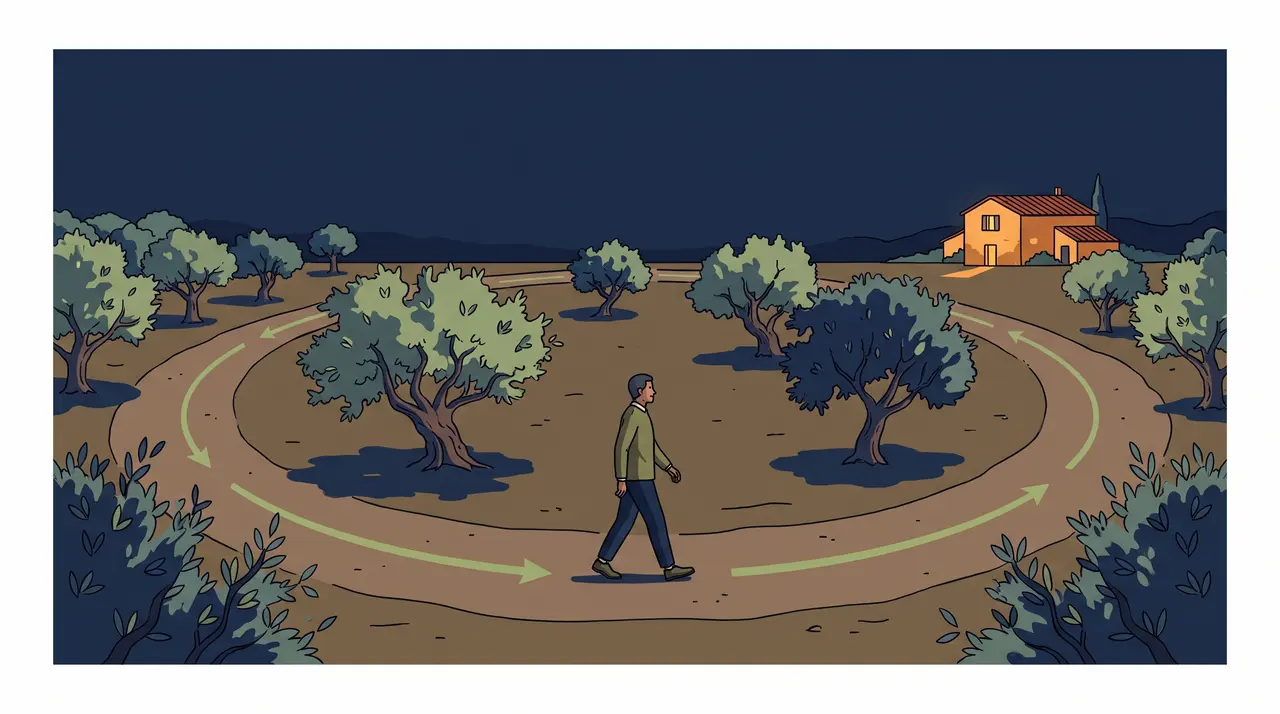
Each substance masks the effects of the other, removing the natural signals that limit consumption.
Then a closed loop enters the picture, one we meet repeatedly in clinical work. Drink more, so more cocaine is needed to balance. Take more cocaine, so tension and alertness rise, so more alcohol is drunk to calm down. Each round raises the dose of both, and each round lowers inhibitions a little further while inflating false confidence a little more. This is the moment when decisions get made that no sober person would make. Driving. Taking more, just one more line. Believing it can continue.
In our experience, people describe this moment afterwards in almost the same words. “I felt in control, and that was a lie.” The lie was not moral. It was chemical.
A Young Heart Does Not Mean a Young Risk
There is a myth worth dismantling here, because it comes up in almost every conversation with families. The belief that cardiac events only happen to older people, with underlying conditions, high cholesterol and a family history. Not in this context. Medical literature on cocaine toxicity documents heart attacks and arrhythmias in young, apparently healthy people in their twenties and thirties.
The mechanism is fairly simple when viewed as a sequence of events. Heart rate rises sharply, which is called tachycardia. Blood pressure climbs steeply. The coronary arteries, those supplying blood to the heart itself, constrict. Blood supply is cut off, ischaemia develops, and then, if the body cannot recover, a heart attack. All of this can happen to someone who runs five kilometres every morning. Their heart is young, but the equation imposed on it is not.
As for symptoms felt in real time, they include strong, noticeable palpitations, a pressing or stabbing chest pain, and a sensation of suffocation. These are not merely side effects of panic. The substances block sodium and potassium channels in heart cells, which can lead to life-threatening arrhythmias, including ventricular fibrillation. One instruction we give unequivocally to anyone who asks is this. Chest pain after substance use is a cardiac event until a qualified medical team rules it out. Not before.
The Brain Under Pressure
The heart is only half the story. The other half happens inside the skull. Blood vessel constriction combined with a sudden, extreme rise in blood pressure can lead to two different and equally serious outcomes, an ischaemic stroke caused by a clot blocking a vessel in the brain, or a haemorrhagic stroke caused by the pressure itself. Both are documented among young users with no prior risk factors.
Added to this are seizures. The substances disrupt electrical activity in the brain and lower the seizure threshold, so people who have never had a seizure can experience one, and in some cases a substance-induced epilepsy develops that persists even after use stops. The circumstances of a typical night out make everything worse. Dehydration, two hours of sleep at best, physical exertion on a warm dancefloor, elevated body temperature. Each of these factors alone raises risk. Together, they pile onto a brain already in distress.
The Day After
Anyone who knows the following twenty-four hours does not need us to explain. Anyone who does not, should read. During the night itself, panic attacks, extreme restlessness, racing thoughts and a sense of unnamed threat can appear. This does not only happen to other people. This is a brain under chemical strain.
Then comes the morning. After a night of combined use, the brain’s stores of dopamine and serotonin are depleted, while alcohol withdrawal, itself a depressant effect, operates in parallel. The result is what people call the comedown, and it can be genuinely deep. A temporary depression that feels clinical, emptiness, helplessness, sleep that will not come, and in no small number of cases, suicidal thoughts. We say this plainly and without softening, because anyone experiencing it alone at two in the afternoon needs to know they are not broken, they are depleted. There is a difference.
And here is the most dangerous loop, the one that turns a single night into a lasting problem. To escape the emotional fall, something is taken. A sleeping pill, a painkiller, another drink. The pit of the day after looks like a problem that can be solved with the same arsenal of substances. But it is not solved. It widens.
Signs That Require an Immediate Emergency Call
Before continuing to the treatment sections, we must stop here. There are situations where you do not read another paragraph, you dial. In most of Europe that number is 112. In the UK it is 999. In Israel it is 101. The number matters less than the understanding that it exists and is not only useful for other people.
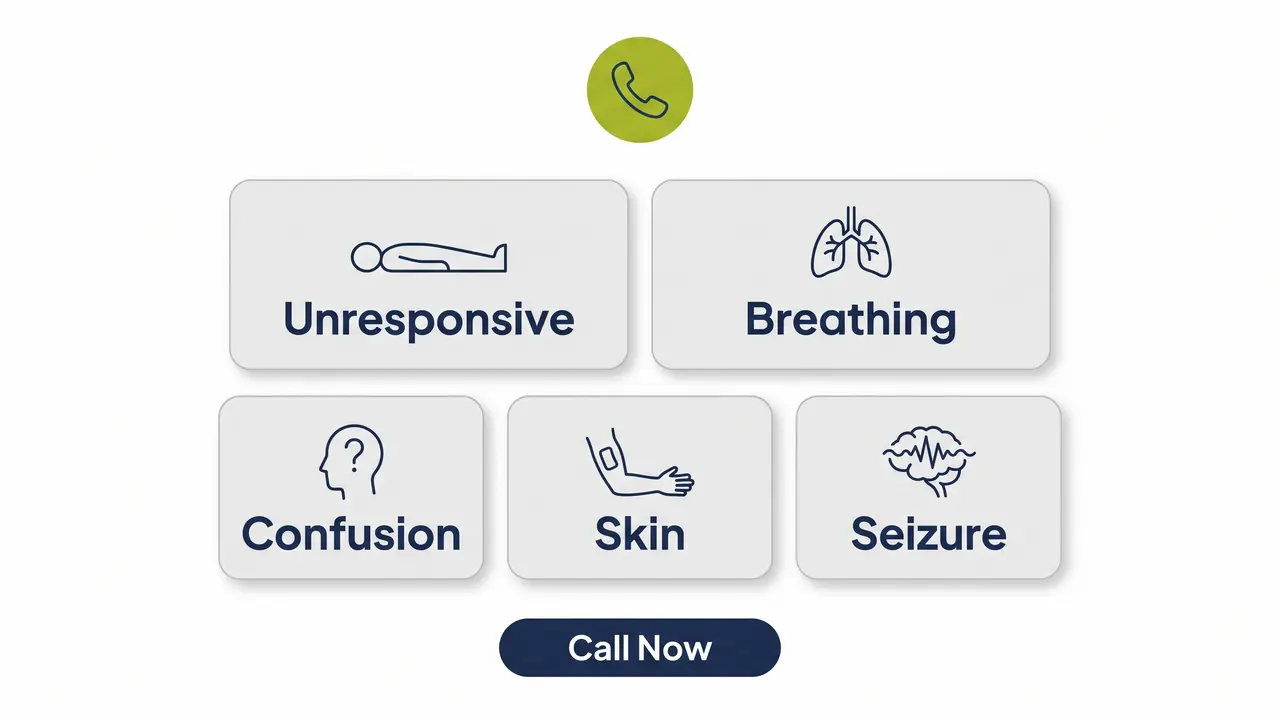
If any of these signs appear, call emergency services immediately rather than waiting to see if they pass.
| Sign | What You See | What to Do |
|---|---|---|
| Loss of consciousness | Not responding to voice or gentle shaking | Call emergency services immediately, place the person on their side until help arrives |
| Impaired breathing | Very slow, irregular or noisy breathing | Call immediately, clear the mouth of vomit, keep continuous watch |
| Cold, pale or bluish skin | Especially around the lips and under the fingernails | Call immediately, warm the body with a blanket |
| Seizures | Uncontrollable muscle convulsions | Call immediately, move sharp objects away, never put anything in the mouth |
| Severe confusion or hallucinations | Disorientation, incoherent speech, responding to things that are not there | Call immediately, stay beside the person, speak calmly |
What not to do is just as important. Do not try to sleep it off. Do not give a cold shower. Do not make coffee. Every one of these folk remedies, which sound sensible in a moment of fear, does not help and can cause harm. The body’s oxygen levels and breathing do not respond to a cup of coffee. Official public health guidance on alcohol overdose and combined substance risk is published by national institutes, including the NIAAA in the United States.
Is There a Safe Time Gap?
This question almost always comes up, usually phrased politely. “If I waited a few hours, that’s fine, right?” The honest answer is that there is no safe interval that can be guaranteed. As long as alcohol remains in the digestive system and the liver, and alcohol stays in the body long after the feeling passes, its meeting with cocaine taken afterwards will still produce cocaethylene. “I only drank in the evening and only took in the morning” is not a safe schedule. It is only a schedule that feels safe.
Why can no rule of thumb be given? Because variation between people is enormous. Body weight, liver enzyme function, metabolic rate, how much food was in the stomach, how much water was drunk over the evening. All of these change clearance times dramatically from person to person, and even from one night to the next in the same person. Someone who recovered quickly once will not always recover quickly.
How Long the Substance Stays in the Body
The data here speaks for itself. The half-life of cocaine, meaning the time the body takes to clear half the amount in the blood, is roughly one to one and a half hours. The half-life of cocaethylene is two to three times longer, sometimes exceeding three or four hours.
| Measure | Cocaine | Cocaethylene |
|---|---|---|
| Half-life | About 1 to 1.5 hours | 2 to 3 times longer, sometimes over 3 to 4 hours |
| Subjective feeling | Relatively quick to pass | More prolonged euphoria, and more prolonged strain |
| Heart exposure to strain | Relatively limited | Continues for hours after the felt effect ends |
| Detection in urine tests | A few days | Breakdown products remain detectable for days |
The practical meaning of this table is not merely scientific. The heart continues to suffer the cardiovascular toxicity for many hours after the pleasant sensation has completely disappeared. The person goes home, showers, falls asleep, and inside their body a substance they never took is still at work, with no way to speed up its clearance. In urine and laboratory tests, the breakdown products of the combination remain detectable for days. Anyone who believes the body has cleaned itself by the next morning is mistaken by a matter of days.
Polydrug Use and Double Dependency
The combination of cocaine and alcohol has a professional name in the treatment world. Polydrug use, meaning the use of multiple substances simultaneously or in quick succession. It is not a status, it is a clinical category, and it is far more common than people think. Its central problem is that interactions between substances are unpredictable. They cannot be calculated in advance even if you calculated the last time, because the last time did not involve the same quantities, the same physical condition, the same hour.
The scenario we meet again and again is the third and fourth addition. Cannabis to relax, a sedative to sleep, ketamine because it was offered. Each addition is taken with the stated intention of regulating arousal or softening the landing. But that regulation is an illusion, and it inflates the risk of fatal respiratory depression or systemic collapse, especially when depressants are added to alcohol already in the blood. The body is not receiving regulation. It is receiving a pile-up.
Now for the part that is harder to quantify but more important to understand. In many people, a strong psychological conditioning forms that behaves almost like a reflex. The brain learns that every drink of alcohol requires cocaine, and every use of cocaine triggers an intense urge to drink. The two become a pair inside the head. And because each one increases the need for the other, dependency develops faster than it does with either alone. Any honest clinician will tell you this pathway is quick in a way that surprises even the users themselves.
Then tolerance arrives. The amount that worked at the start stops working, and more of both substances is needed to reach that initial feeling, the one that in hindsight was never that good anyway. And control quietly erodes. Use that began as a Friday night social occasion seeps into Thursday, then Tuesday, then a business dinner mid-week. Dead hours appear, absences from work or study, money disappearing at a pace that becomes impossible to explain to a partner. Nobody plans this. It simply happens, stage by stage, and along the entire way there is a ready explanation for every stage.
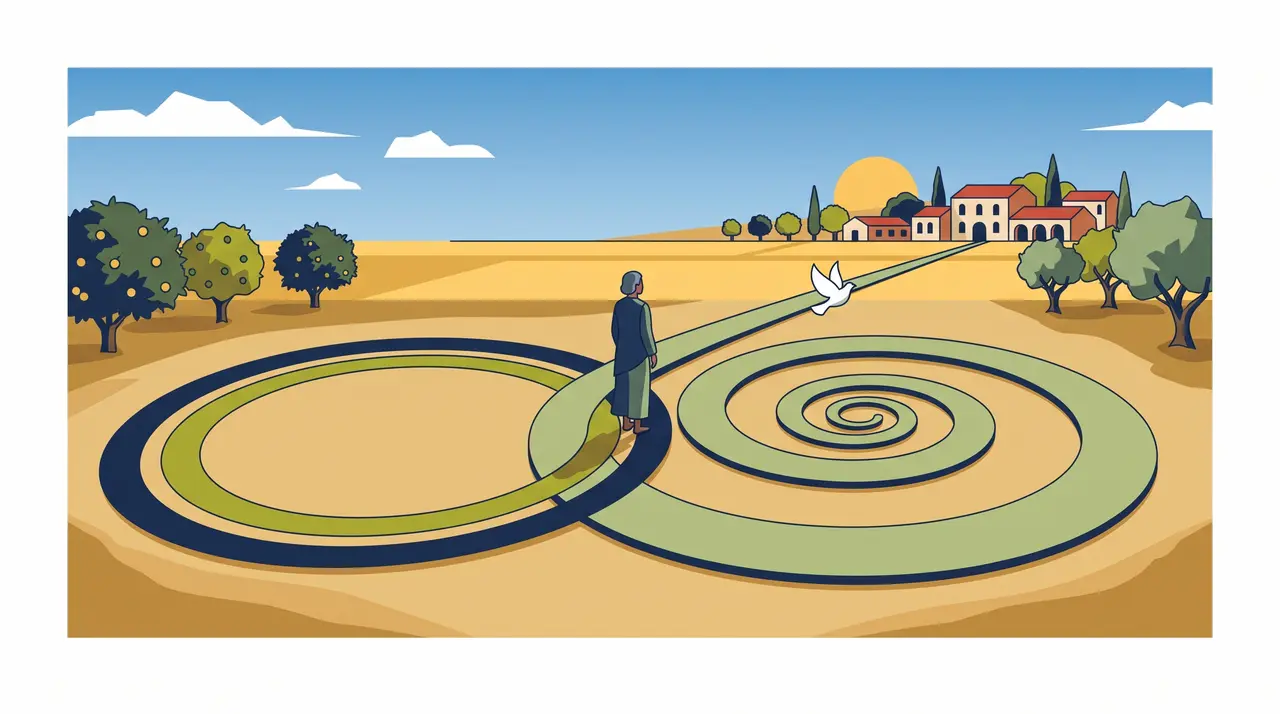
Each substance increases the craving for the other, which is why dual dependency deepens faster than either alone.
What to Do Now, and What Not to Do
Suppose you are reading this after such a night, with a racing heart and climbing anxiety, but without any emergency signs from the table above. What do you do? First, stop. Do not rebalance with another drink or with anything else. Second, sit in a cool, quiet place and breathe slowly, not the big gulping breaths that feed panic, but genuinely slow ones. Drink water in moderation. Not a litre. One glass, and another after fifteen minutes. And most importantly, do not stay alone. Have a sober person with you, and if there is no one, call someone who can stay on the other end of the line.
And what must be avoided. Three things people do with alarming frequency. Taking sedatives or sleeping pills on their own initiative, without medical supervision, which is especially dangerous because they join the alcohol already in the body and together can suppress breathing to the point of respiratory arrest. Drinking caffeinated energy drinks to wake up, which piles further load onto a heart already under strain. And staying alone because it has passed and everything is fine. If it has not passed, there is nobody there. And of course, no driving and no operating anything. The day after is a day for no big decisions and no risks. A day of waiting, moderate drinking of water, and another person in the room.
When It Stops Being Recreation
This question is the hardest, so we will answer it with questions rather than answers. Can you drink alcohol without looking for cocaine? Not “without giving in to temptation”, but without the search itself beginning, because if the search begins, the answer is already known. Have you tried to stop, for a defined period, and failed? Are there dead hours, whole days you cannot remember precisely? Have money, work or relationships already paid a price? No single question alone is a verdict. But if three of them receive an uncomfortable answer, it is no longer recreation. It is something that requires a response, and earlier is better than later.
And to families, a few words that may help. This conversation does not begin with blame, threats or a list of consequences already familiar to both sides. It begins with “I noticed, and I care.” It sounds too simple, and in practice it is the hardest thing to do, because the fear of the reaction is real. But the truth is that a person inside such a loop, whether they admit it or not, is suffering. They do not need reminding. They need someone to open a door without slamming it in their face.
On Treatment Itself
In our work at the Holina Village therapeutic community in Cyprus we meet a good number of people who arrived precisely because of this combination, cocaine and alcohol together, and for most of them it was this duality that made the struggle impossible to face alone. There is a reason why independent attempts to stop fail again and again, and it is not weakness. Once the conditioning between the two substances exists, trying to stop one of them leaves the person holding the other, which keeps demanding the first. Both must be stopped, and it must be done in a place that can hold that stopping.
This is why physical detoxification alone, clearing the substances from the body, is only the beginning of the road and not the road itself. The substances are a symptom, not the root. Beneath them there is almost always psychological distress, trauma, anxiety or patterns of escape that were present long before the first line and the first drink. Treatment that addresses only the body leaves a person sober with the very things they were running from. Treatment that addresses the root, within a supportive and protected framework, gives them a genuine chance.
Anyone who wants to understand what such a programme looks like in practice is welcome to read about our therapeutic programme for adults. Those reading these lines on behalf of a family member may also find value in our article on grief and coping in early adulthood, because the flight into substances often begins with a mourning that no one made room for. Of course, you can always contact us quietly, with no obligation, and ask the questions that are hard to ask out loud.
If the combination of cocaine and alcohol has become something you cannot step out of alone, a confidential conversation costs nothing and commits you to nothing. We will listen, answer honestly, and help you think about the next step.
A Final Word

We do not promise magic solutions, and anyone who promises such a thing in this field should think twice. What we do know, from clinical experience, is that the combination of cocaine and alcohol is one of the fastest and most concealed pathways into dependency, and that it does so under the disguise of control and entirely reasonable social fun. If that description feels familiar, about yourself or someone you love, it is not the end of the world. It is a moment. And moments, unlike chemical conditioning, can be stopped in and turned toward a different direction.
The first step is not a final and absolute stop to all substances forever, at least not when you are alone at three in the morning. The first step is much smaller. Tell someone. A doctor, a family member, a professional service. Everything else can be built afterwards, and it is not built alone.
Frequently Asked Questions
How long after drinking is it still dangerous to use cocaine?
There is no guaranteed safe interval. Alcohol remains in the digestive system and liver long after the feeling of intoxication fades, so any cocaine arriving while alcohol is still being processed can produce cocaethylene. A schedule that feels safe is not the same as one that is safe.
Is cocaethylene more dangerous than cocaine on its own?
Yes. Research consistently identifies cocaethylene as more cardiotoxic than cocaine, and it remains in the body two to three times longer. The heart is exposed to strain for hours after the felt effects have gone.
Why do people lose track of how much they have taken?
Cocaine masks the fatigue and heaviness of alcohol, while alcohol dulls the tension of cocaine. The natural signals that normally limit consumption disappear, so people drink and use far more than they would with either substance alone.
Can heart problems happen to young, healthy people?
Yes. Medical literature documents heart attacks and dangerous arrhythmias in people in their twenties and thirties with no prior risk factors. A young heart does not protect against the equation these substances impose on it.
The combination of cocaine and alcohol creates a third substance in the liver, masks the body’s own warning signals, and places a prolonged strain on the heart and brain long after the night ends. There is no safe time gap between the two, and dependency on the pair develops faster than on either alone. What helps is not willpower in isolation but a supported stopping of both substances together, with treatment that reaches the distress underneath. The smallest first step is simply telling one person, and a confidential conversation with us is always open, with no pressure and no obligation.

About the Author
Yossi Zubari
CEO & Founder
Director and Senior Therapist working with addiction for over 25 years, and in personal recovery for almost 30 years.