The house is not in chaos. Nobody has called an ambulance. It is Thursday afternoon and the person in the back bedroom has been asleep for fourteen hours, and when they came through at some point in the night they ate most of what was in the fridge standing up, and then went back to bed. The phone is face down on the floor. To the mother making tea in the kitchen, this looks, for the first time in three weeks, like relief.
It is not relief. It is the crash, and the crash is the easy part.
Most of what is written about crack cocaine withdrawal focuses on those first days, because those are the days that look like something. What we see, again and again, is families and individuals who get through that stretch on sheer determination and then come apart in the second week, when nothing dramatic is happening at all. This article sets out what actually happens to the body and mind during withdrawal, when the risk is medical rather than emotional, and what a structured environment can do that willpower alone usually cannot.
Reading time: 5 minutes
Key points in this article
- Crack cocaine withdrawal is not usually medically dangerous in the way alcohol or benzodiazepine withdrawal can be, but the mental health risk, particularly depression and suicidal thinking, is significant and often underestimated.
- Withdrawal follows a crash, an active phase lasting one to two weeks, and a longer extinction phase where cravings can still surface months later.
- Anhedonia, the loss of pleasure in ordinary things, is a genuine withdrawal symptom rather than a sign of disinterest, and it lifts gradually with time and structure.
- Environment matters clinically, not just practically. Removing access and environmental cues for the first weeks reduces relapse risk in ways that determination on its own does not.
Table of Contents
- What crack cocaine withdrawal is, and what it isn’t
- Why smoking it changes the shape of the problem
- Withdrawal that starts before the day is over
- The three phases, and the one nobody warns families about
- The crash is not the withdrawal
- “He doesn’t seem to want anything”
- Is it dangerous? A straight answer
- The point at which you stop managing this alone
- Home detox, an honest accounting of the odds
- What detox buys you, and what it does not
- Cravings have a duration
- Sleep and appetite come back before the mood does
- The reason a straightforward stimulant detox becomes a medical one
- Geography as a clinical tool
- What a day does that willpower cannot
- What was underneath the use
- How long is long enough
- What a stay costs, and what is inside that number
- If you are the one reading this at two in the morning
What crack cocaine withdrawal is, and what it isn’t
It is not the picture most people carry in their heads. There is no tremor that needs medicating within the hour, no seizure risk in the way alcohol carries one, no autonomic storm. Crack cocaine withdrawal is what happens when a brain that has been receiving very large, very fast surges of dopamine stops receiving them, and has to run on its own supply again. The symptoms are largely in the mind and the mood, which is precisely why they are underestimated. Low, heavy depression. Exhaustion that sleep does not fix. Appetite that returns with force. Unpleasant, vivid dreams. Craving that arrives in waves. The clinical picture described in the MedlinePlus entry on cocaine withdrawal is recognisable to anyone who has sat with someone through it.
The short video above gives a plain sense of daily life and recovery at Holina Village, which may help make the sections below feel less abstract.
Why smoking it changes the shape of the problem
Powder and crack are the same drug arriving by different roads, and the road matters enormously. Smoked, the effect reaches the brain within seconds, peaks fast, and is largely finished within minutes. The fall is proportionate to the climb. That short arc is what produces the binge pattern, not one use, but use repeated for hours or days, because the only reliable way to stop the descent is to start the climb again.
This is why people who use crack often describe themselves as having no gap in which to make a decision. There is no plateau to think from. Understanding this is not academic. It changes what a first week of treatment has to be able to hold, and it explains why willpower, applied in an ordinary flat with an ordinary phone, so rarely wins.
Withdrawal that starts before the day is over
Ninety minutes to two hours. That is roughly the window in which the first symptoms can begin after the last use, because the drug clears quickly and the smoked route clears it quicker still. Detoxification guidance for stimulants notes onset in hours rather than days, which puts crack in a different category from substances where withdrawal announces itself the next morning or the morning after that.
Practically, this means the person is often in withdrawal while still in the environment where use happened, still holding the same phone, still within reach of the same contacts. The gap between craving and access can be four minutes. Any honest clinician will tell you that this arithmetic, not moral weakness, is what defeats most home attempts in the first forty-eight hours.
The three phases, and the one nobody warns families about
Research literature has described the pattern as crash, withdrawal, and extinction. Names change; the shape holds. In our experience the third phase is the one families are least prepared for, because by then the person looks well.
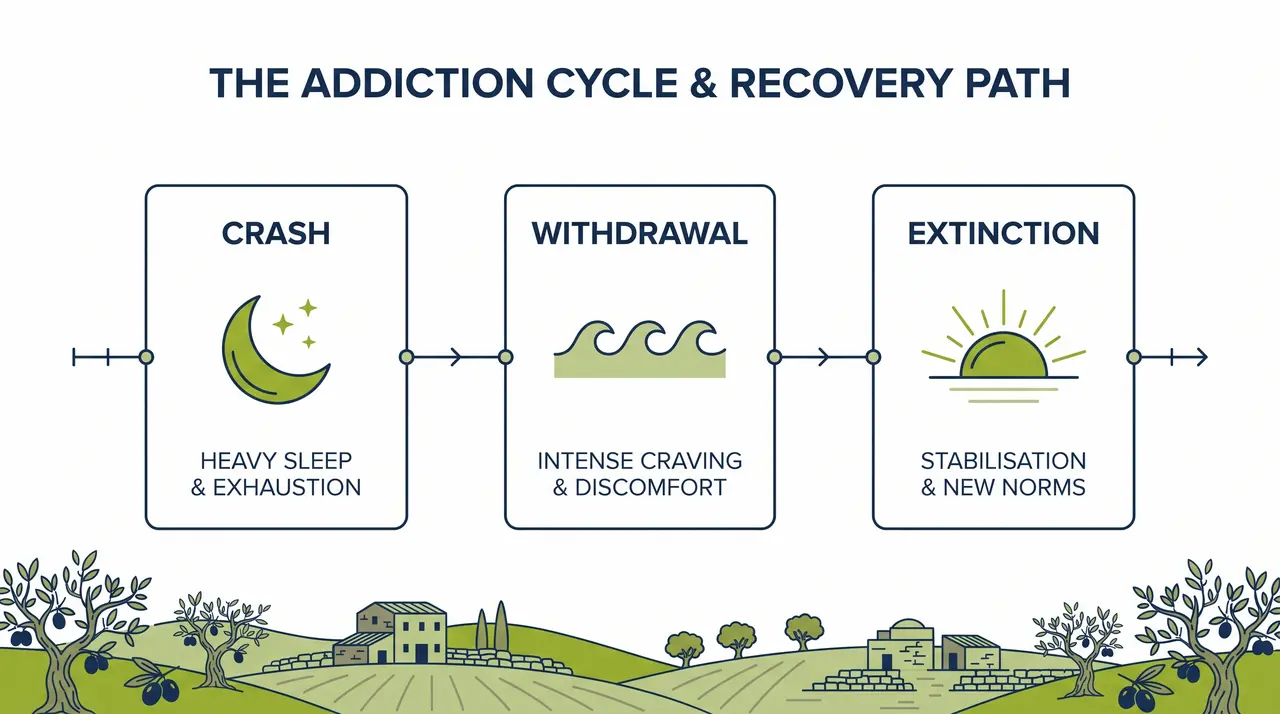
The three phases of withdrawal, from the acute crash through to longer term stabilisation.
| Phase | Usual window | What it looks like from outside | The real risk in this phase |
|---|---|---|---|
| Crash | First 24 to 72 hours | Heavy sleep, huge appetite, irritability, deep low mood | Using again simply to stop the fall |
| Active withdrawal | Days 3 to 14 | Flatness, no pleasure in anything, disturbed sleep, vivid dreams, craving in waves | Concluding that the flatness is permanent |
| Extinction and stabilisation | Week 2 to month 3, sometimes longer | Functioning returns, conversation returns, appetite normalises | One familiar cue on an unremarkable afternoon |
The crash is not the withdrawal
Here is the mistake we see most often, and it is an expensive one. Someone sleeps for three days, eats, showers, and says they feel much better. The family exhales. Support relaxes. Someone goes back to work on the Monday.
Day nine is when the phone call comes.
The crash is the body discharging debt. The withdrawal proper, the part that involves a nervous system learning to generate its own motivation again, sits underneath it and lasts substantially longer. Seven to fourteen days for the acute stretch is a reasonable expectation, with mood, sleep and craving continuing to move for weeks after that. Support that is calibrated to the crash rather than to the withdrawal withdraws exactly when it is needed.
“He doesn’t seem to want anything”
Families say this to us in almost identical words. He is clean, he is eating, he is not lying about anything, and he sits in a chair for six hours with no interest in food he likes, people he loves, music, football, the sea.
This is anhedonia, and it is a withdrawal symptom, not a character revelation and not laziness. A reward system that has been repeatedly flooded does not respond to ordinary pleasures for a while. A coffee, a walk, a good conversation, these register at a fraction of their normal volume.
Two things matter. First, it lifts. Nervous systems are plastic and the capacity for ordinary pleasure comes back, gradually and unevenly, over weeks to months. Second, while it is present, the person is at maximum risk, because they now have direct evidence that only one thing works.
Is it dangerous? A straight answer
Compared with alcohol or high-dose benzodiazepine withdrawal, crack withdrawal is not usually a threat to the body in the acute phase. That is the honest answer, and it is the answer people quote when they argue they can manage at home.
The danger is elsewhere. Severe depression during stimulant withdrawal carries real suicide risk. Paranoia and transient psychotic features can persist after use stops. Impulsivity is high and judgement is poor for days. Where there is existing heart disease, or where crack has been used alongside alcohol, opioids or sedatives, the picture becomes medical as well as psychiatric.
So the sentence we would rather people used is not “it is safe”. It is this. The body will probably manage, and the mind needs watching.
The point at which you stop managing this alone
Some things are not for waiting out. Active thoughts of ending your life, a plan, giving things away, a sense of being trapped or unbearable pain, a marked withdrawal from everyone. NIMH’s list of suicide warning signs is short and worth reading before you need it, not during.
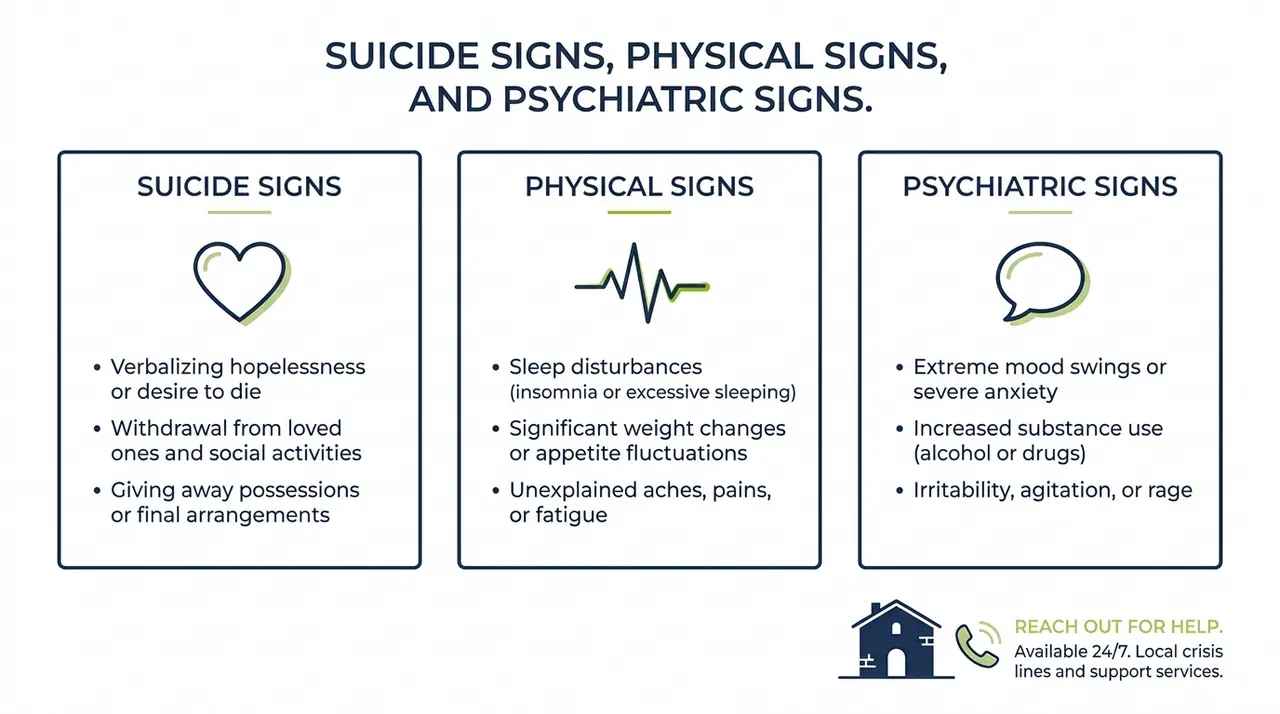
On the physical side, chest pain, a racing heart that does not settle, breathlessness, collapse, seizure, or a temperature that keeps climbing need emergency care the same day, not a phone call in the morning.
Beliefs that cannot be argued with, voices, or a paranoid fear that stops someone leaving a room also need urgent psychiatric assessment. None of this is a failure of the attempt. It is information about the level of care the situation actually requires.
Home detox, an honest accounting of the odds
People try at home for reasons that deserve respect. Privacy. Work. Children. A reluctance to become a patient. Cost. We are not going to pretend those reasons are irrational.
What we would ask is that the plan be assessed against the same indicators a clinician would use.
| Clinical indicator | At home | In a residential setting |
|---|---|---|
| Access to the substance | Same phone, same contacts, same streets | Removed by distance, structure and no unsupervised gaps |
| The hours between midnight and five | Alone with craving | Round-the-clock staff who are awake and expect it |
| Suicidal thinking | Noticed late, if at all | Asked about daily, by people trained to ask |
| Sleep and nutrition | Whatever happens, happens | Fixed meals, fixed hours, morning light |
| Mixed substance use | Unassessed | Medically assessed on arrival, before symptoms escalate |
| Environmental cues | Everywhere, constantly | Almost entirely absent for the first weeks |
What detox buys you, and what it does not
Detox is a stabilisation period. It gets the substance out, keeps the person physically safe, manages sleep and agitation where that is clinically appropriate, and returns them to a baseline from which therapeutic work becomes possible. That is a real achievement and it is not treatment.
Reviews of treatment effectiveness for drug problems have made this point for decades. Detoxification on its own has little durable effect on relapse. The brain retains a very clear memory of what the drug did, and that memory is not erased by two weeks of abstinence. It is met, slowly, by other things becoming meaningful.
A detox bed is not the same as a plan
Which is the argument for a structured residential programme rather than a detox bed followed by a taxi home. No pressure, no obligation, just an honest look at what continuing care actually involves.
Cravings have a duration
A craving is not a permanent state, although it presents as one. It builds, peaks, and subsides, usually inside twenty to thirty minutes. Someone who knows that number is in a different position from someone who does not, because the task changes from resisting forever to staying inside this feeling for half an hour.
What helps is unglamorous. Naming it out loud to another person, immediately. Moving the body. Cold water. Eating something, because low blood sugar impersonates craving. Checking the four states that reliably precede a lapse, hunger, anger, loneliness and tiredness, and treating whichever one is actually present.
None of this works well in isolation, which is the point. It works when someone is within earshot.
Sleep and appetite come back before the mood does
The first week is often too much sleep. The second week is frequently too little, with vivid or unpleasant dreams that people find genuinely distressing and rarely mention unless asked. Appetite tends to overshoot, sometimes dramatically, as the body reclaims what it lost during weeks of not eating properly.
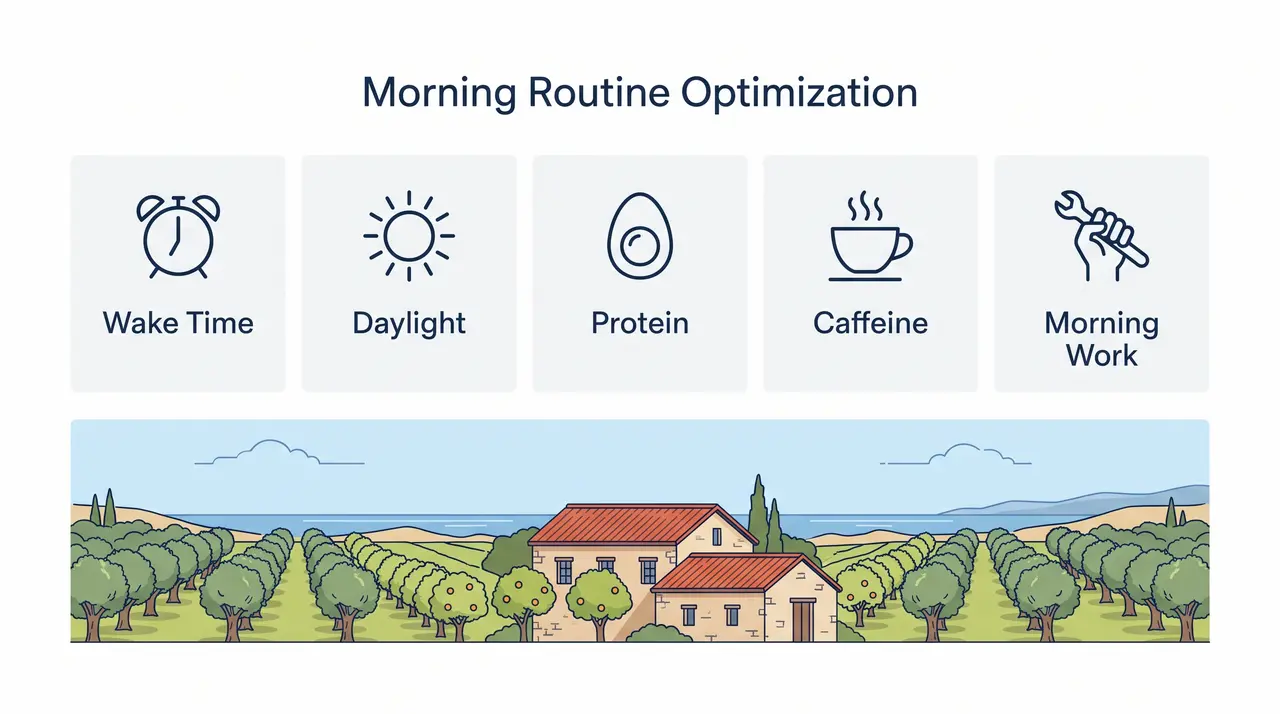
What we do about it is simple and boring and effective. Same wake time every day, including weekends. Daylight within an hour of waking, which in Cyprus is not difficult. Protein at breakfast rather than sugar. Caffeine before noon only, because a nervous system in withdrawal reads coffee as anxiety. Physical work in the morning, in the orchards or with the animals, so that tiredness by evening is earned rather than chemical.
The reason a straightforward stimulant detox becomes a medical one
Very few people who use crack use only crack. Alcohol to come down. Benzodiazepines to sleep. Opioids in the mix. Cannabis throughout. This is the norm rather than the exception, and it changes the clinical picture entirely.
Alcohol and sedative withdrawal can be dangerous in ways stimulant withdrawal is not. A person who stops everything at once at home may be walking into a withdrawal they have not planned for. Cardiovascular strain, particularly where there is existing heart disease or a history of chest pain during use, needs assessment rather than assumption.
This is why the first conversation with our clinical team is a detailed one about everything, in what quantities, and for how long. Not to judge the answer. To know what we are actually treating.
Geography as a clinical tool
With alcohol, the cue is a pub. With crack, the cue is a street, a stairwell, a specific contact in a phone, a particular hour of the night, a smell. Cue reactivity for smoked stimulants is fierce and it is highly environmental, which means the physical location of treatment is not a lifestyle detail.
Holina Village sits on farmland outside Achnas, in the Cypriot countryside. Olive and citrus trees, animals that need feeding whether or not anyone slept, open sky in most directions. It is quiet in a way that is initially uncomfortable and eventually useful.
The relevant clinical point is that almost nothing here resembles the place where use happened. For the first fortnight, when craving is loudest and judgement is weakest, that absence of cues is doing work no amount of insight can do.
What a day does that willpower cannot
Structure is not a value we hold in the abstract. It is a treatment for anhedonia. A person who cannot feel motivation cannot generate a day, so the day is generated for them and they walk into it.
Mornings involve physical work and movement. Individual therapy sits alongside group work, trauma-focused treatment including EMDR and somatic approaches, and the Twelve Step framework for those who want it. Afternoons often move outdoors, and our adventure and challenge activities exist for a specific reason. They produce real satisfaction in a nervous system that has forgotten how, and they produce it in front of witnesses.
That last part matters. A therapeutic community provides the relational substrate. Shame is what keeps crack use hidden, and shame does not survive long in a room where everyone has a similar story.
What was underneath the use
Almost nobody arrives at crack cocaine addiction from a settled life. What we usually find, once the acute phase has passed and someone can think again, is trauma, unmetabolised grief, longstanding depression or anxiety, sometimes ADHD that was never named, often a period in adolescence when nobody was paying attention.
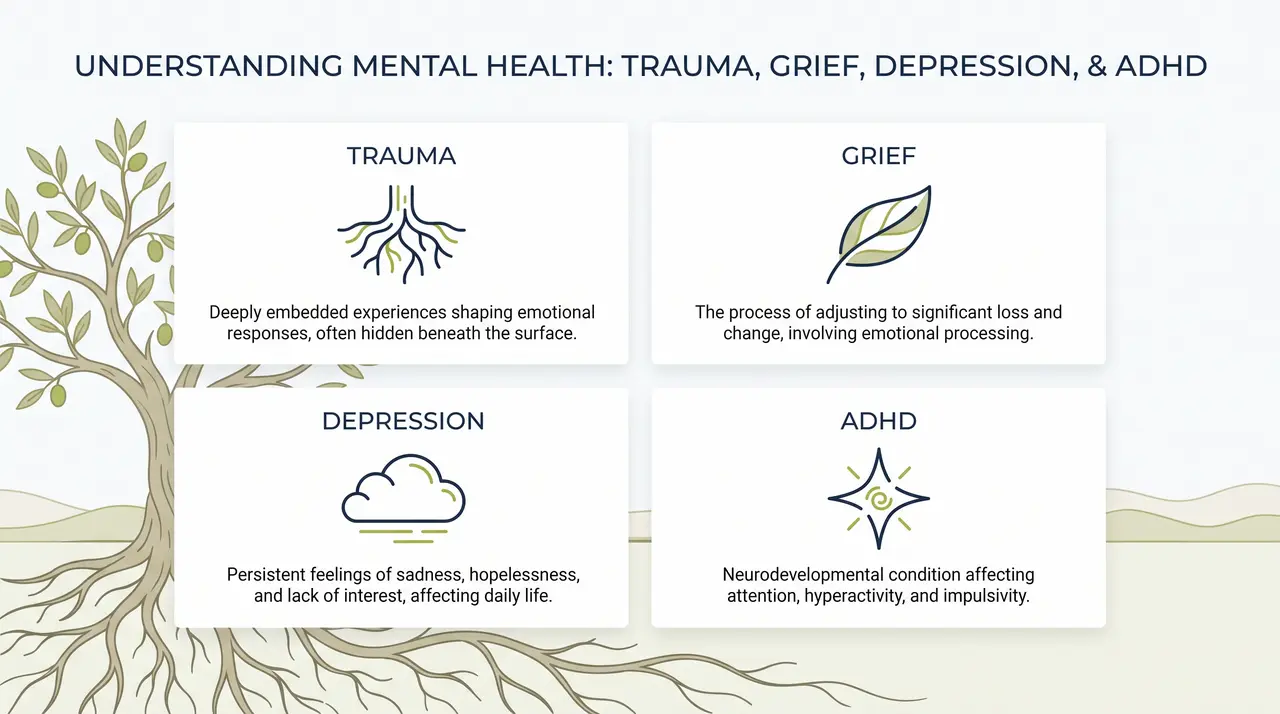
Treating the substance and ignoring that is a short-term intervention. If the drug was solving a problem, and it was, the problem needs another solution before the drug is asked to leave permanently. Guidance from the National Institute of Mental Health on when someone should seek help is a reasonable starting point for anyone unsure whether what they are living with counts.
Dual diagnosis is not a specialist add-on here. It is most of the caseload.
How long is long enough
People ask for four weeks and hope for two. We understand why, and we will say plainly what different lengths of stay tend to achieve.
Four weeks gets someone through the acute phase and into early stabilisation. Sleep is beginning to organise. The person is recognisable to their family again. What they do not yet have is a new set of habits under pressure.
Eight weeks allows the therapeutic work to reach what is underneath the use, rather than circling it. Twelve weeks is where we see the new patterns hold on their own, where re-entry can be planned rather than improvised, and where aftercare becomes a real structure rather than a phone number. For younger residents, our partnership with the University of Central Lancashire means study can continue during a stay, so recovery and education are not a choice between two things.
What a stay costs, and what is inside that number
We publish fees because families in crisis should not have to ask three times. All options are fully inclusive. Accommodation, meals, clinical sessions, group work, farm and adventure activities and airport transfers are all covered, and personal spending money is the only additional cost.
| Accommodation | From (per month) | Best suited to |
|---|---|---|
| Shared room | €7,950 | Those who benefit from company during the settling-in period and in the difficult night hours |
| Single room, shared bathroom | €10,950 | Those who need private space to decompress but want community for the rest of the day |
| Single room, private bathroom | €12,950 | Those with a strong need for privacy, longer stays, or professional discretion requirements |
Room choice is not a clinical hierarchy. The programme is the same in all three.
If you are the one reading this at two in the morning
You are probably not the person using. You are probably the one who has read six versions of this page tonight and is trying to work out whether the sleeping and the eating mean it is over.
It is not over, and it is also not hopeless, and both of those are worth knowing before Monday.
What we would ask of the next week is modest. Do not withdraw support when the crash lifts. Ask directly about thoughts of suicide, because asking does not plant the idea and not asking changes nothing. Assume week two will be harder than week one and plan for it.
A confidential conversation, when you are ready
If the arithmetic of home does not add up, an honest conversation with our admissions team costs nothing and commits you to nothing. Most people who call us are somewhere in the middle of the worst month of their lives. We are used to that. It does not need to be tidy before it starts.
Frequently asked questions
How long does crack cocaine withdrawal actually last?
The crash typically lasts one to three days. Active withdrawal, involving flat mood, disturbed sleep and craving, usually runs for one to two weeks. A longer stabilisation phase, where mood and pleasure gradually return to normal, can continue for weeks to months.
Is crack cocaine withdrawal medically dangerous?
The physical withdrawal itself is generally less dangerous than alcohol or benzodiazepine withdrawal. The greater risk is psychiatric, particularly severe depression and suicidal thinking, and medical risk rises sharply when other substances such as alcohol or sedatives are involved alongside crack.
Why does someone lose interest in everything during withdrawal?
This is anhedonia, a genuine withdrawal symptom caused by a reward system that has been repeatedly overstimulated. It is not a lack of care or effort. It generally improves gradually over weeks to months as the nervous system recalibrates.
Can someone safely detox from crack cocaine at home?
It depends heavily on access, supervision, and whether other substances are involved. The main risks at home are continued access to the drug and the difficulty of monitoring mood and suicidal thinking overnight. A structured setting removes both of these variables.
How long should someone stay in treatment for a lasting result?
Four weeks addresses the acute phase and early stabilisation. Eight weeks allows deeper therapeutic work. Twelve weeks tends to be where new habits and coping patterns hold on their own, and where aftercare planning becomes realistic rather than rushed.
Crack cocaine withdrawal is rarely a medical emergency, but it is a mental health event that unfolds over weeks, not days, and the second week is usually harder than the first. The crash looks like recovery and is not, anhedonia looks like disinterest and is not, and the environment where someone stops using matters as much as the decision to stop. If you are trying to work out whether a home attempt will hold, or whether the person you love needs more structure than a bedroom can offer, an honest conversation with our admissions team costs nothing and commits you to nothing.

About the Author
Yossi Zubari
CEO & Founder
Director and Senior Therapist working with addiction for over 25 years, and in personal recovery for almost 30 years.