The gym membership is still active. The job is still there. The car is still on the drive on Monday morning, washed at the weekend, and the person driving it is thirty-one and looks well enough in photographs.
What is not in the photographs is the chest tightness at four in the morning that got filed under indigestion. Or the fact that nothing has felt properly enjoyable since around March. Or the way sleep now happens in fragments, and the way the fragments have started to feel normal.
Most people searching for information about cocaine are not searching because of a dramatic event. They are searching because something has been quietly wrong for a while, and the connection has finally suggested itself. That instinct is usually correct, and it is worth following.
Reading time: 5 minutes
Key points in this article
- Long-term cocaine use affects three main systems at once, the cardiovascular system, the brain, and local tissue such as the nasal lining.
- Cardiac damage builds from total cumulative exposure over years, not from how often someone uses in a given month.
- Cocaine combined with alcohol produces cocaethylene, a separate compound with greater cardiac toxicity than either substance alone.
- Most cognitive and mood changes seen in early recovery are functional rather than structural, meaning they can improve substantially with time and treatment.
Contents of this article
- What the long term effects of cocaine actually look like
- The mistake families keep making about weekend use
- Why a short high leaves a long mark on blood vessels
- Cocaine heart damage in a body that has never been ill
- When the heart muscle stops keeping up
- The electrical fault nobody feels coming
- Heart attacks at twenty-four, and the arithmetic that does not add up
- What the cocaine brain loses first
- Chemical change or structural damage
- Stroke, and the signs that mean an ambulance
- The crash is not a mood
- Paranoia that outlasts the drug
- Sleep, energy and the flattening of motivation
- Cocaine with alcohol, and the compound the liver makes
- When this becomes a medical emergency
- How long recovery actually takes
- Why stopping is the easiest part to describe
- What a contained space does that willpower cannot
- What can be done today
What the long term effects of cocaine actually look like
The long term effects of cocaine are not one thing. They fall into three broad areas, and they progress at different speeds.
The cardiovascular system carries the heaviest load. Repeated surges in heart rate and blood pressure, repeated narrowing of arteries, and accelerated wear on vessel walls that would otherwise have stayed healthy for decades.
The brain changes next, functionally before structurally. Reward signalling flattens, concentration thins out, and decision-making becomes harder in a way that is genuinely neurological rather than a matter of character.
The third area is local and often the first anyone notices. Chronic nasal inflammation, loss of smell, persistent crusting or bleeding, and in longer histories, damage to the nasal septum.
The National Library of Medicine’s overview of cocaine lists heart attack, stroke and seizure among the serious outcomes. Those are the endpoints. The years before them are where change is still possible, and where the structure of a residential programme does its real work.
The mistake families keep making about weekend use
Families tend to count nights. Two Fridays a month sounds manageable when you say it out loud, and it is usually said out loud in exactly that tone.
The body does not count nights. It counts load.
A single heavy session produces a cluster of physiological events. Arteries constrict. Blood pressure spikes. Platelets become stickier. The heart works harder for hours on a reduced oxygen supply. The session ends, the person sleeps it off, and the vessel walls carry a small amount of the damage forward.
Repeat that twenty-four times a year for six years and you have not had a hundred and forty-four separate nights out. You have had one long, interrupted process of vascular ageing.
This is why cardiac problems appear in people whose use never looked out of control. Frequency matters less than most people assume. Cumulative exposure matters more.
Why a short high leaves a long mark on blood vessels
Cocaine effects begin with the sympathetic nervous system, the part of you built for emergencies. Noradrenaline floods the system. Vessels tighten, the heart speeds up, and blood pressure climbs sharply.
Held for minutes, this is survivable. Held repeatedly across years, it produces three lasting problems. Vessel linings become inflamed and lose their flexibility. Tissue downstream of a constricted artery spends periods without enough oxygen. And the arterial wall responds to that chronic irritation by thickening, which is the same process that produces heart disease in a sixty-year-old smoker, simply running faster.
What changes during a long session
Extended use compounds everything. Sleep disappears, often for a day or more. Fluid intake drops or shifts almost entirely to alcohol. Food stops. The body is asked to sustain a stress response while being deprived of the three things that let it recover from stress. Damage that would take years arrives in a weekend.
Cocaine heart damage in a body that has never been ill
The clinical picture that surprises people most is a twenty-six-year-old with a thickened heart muscle and no other risk factors at all.
Cocaine heart damage develops through several routes at once. Chronic blood pressure elevation forces the left ventricle to work against resistance, and the muscle thickens in response. Thickened muscle needs more oxygen and receives less, because the arteries feeding it are narrowing at the same time. Atherosclerosis that would normally appear in middle age appears in the twenties or thirties.
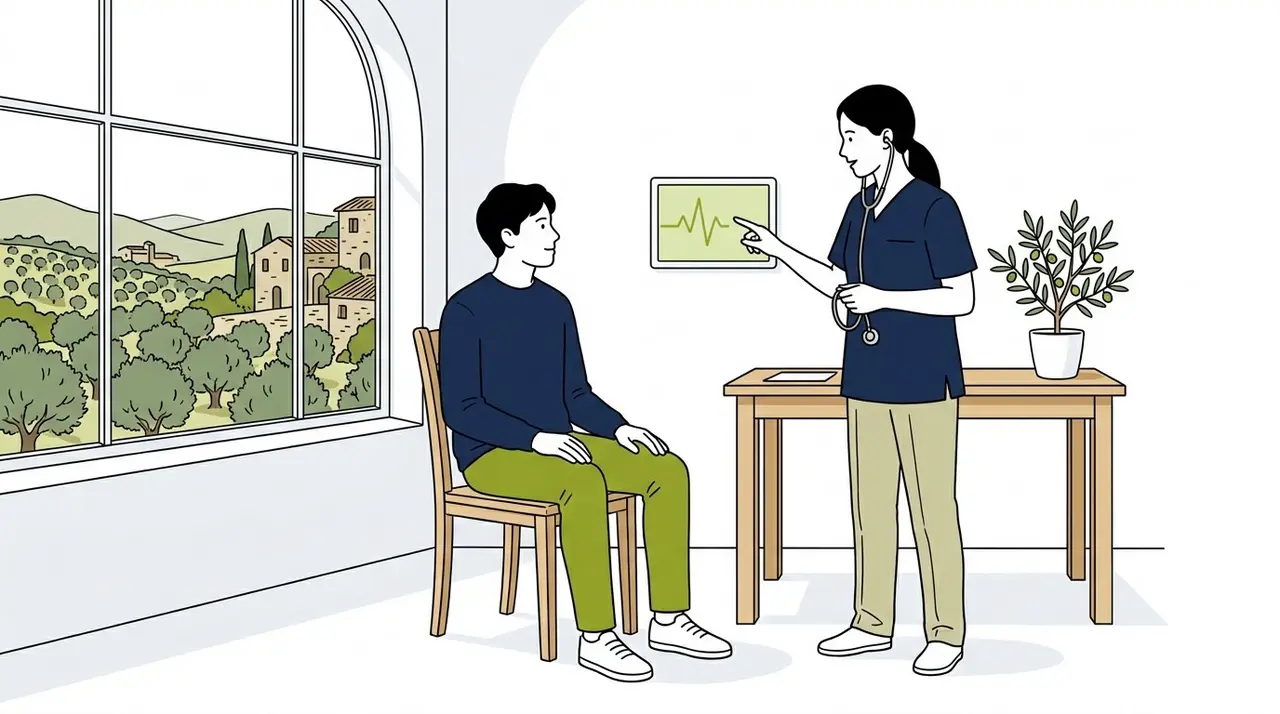
The American Heart Association’s guidance on illegal drugs and heart disease is direct about this. Cocaine is a cardiovascular drug before it is anything else.
Which means a normal cholesterol panel and a lean body reassure nobody. Ask for an ECG and an echocardiogram. Say what the use has been.
When the heart muscle stops keeping up
Cardiomyopathy is a disease of the muscle itself. The heart is still beating, still doing its job in a technical sense, but each contraction moves less blood than it should. The body compensates until it cannot.
What families notice is rarely described as a heart problem. He gets breathless carrying shopping up one flight. She sleeps propped on two pillows because lying flat feels wrong. Ankles swell by evening. Fatigue arrives at a level that no amount of rest resolves. There are episodes of light-headedness on standing.
Is cocaine heart damage reversible?
Sometimes, partly, and it depends heavily on timing. With sustained abstinence, medical treatment and blood pressure control, ventricular function can improve, and in some people it improves substantially. Left running, the same process settles into chronic heart failure, which is managed rather than resolved. The window is real, and it does not stay open indefinitely.
The electrical fault nobody feels coming
Cocaine interferes with the sodium and potassium channels that carry the heart’s electrical signal. This is a pharmacological property of the drug, not a sign of misuse.
The result is a heart that conducts unpredictably. Tachycardia during use is the common version. Atrial fibrillation appears in some people and persists. The dangerous version involves ventricular rhythms that can cause collapse or cardiac arrest with no preceding chest pain at all.
Warning signs worth taking seriously include a strong, forceful pounding in the chest while completely at rest, the sensation of a beat being dropped or skipped, and episodes of breathlessness or near-fainting that arrive without exertion.
People often describe these to a friend before they describe them to a doctor. Reversing that order is one of the more useful things anyone can do this week.
Heart attacks at twenty-four, and the arithmetic that does not add up
A standard cardiac risk assessment asks about age, cholesterol, smoking, diabetes and family history. A twenty-four-year-old scores close to zero on all of it. And still arrives in an emergency department with an infarction.
The mechanism is different from the textbook one. Coronary arteries spasm and close acutely rather than furring up slowly. Blood clots more readily. Oxygen demand rises at the exact moment supply falls. Nothing needs to have been narrowed for years for the muscle to be starved.
Three things raise that risk sharply. Nicotine alongside cocaine, because both constrict the same vessels. Intense physical exertion during or shortly after use. And acute emotional stress, which recruits the same adrenaline pathway the drug is already saturating.
Chest pain in a young person who has used cocaine is an emergency assessment, every time, regardless of how well they look.
What the cocaine brain loses first
Ask someone in their second week here what they miss and they rarely say the drug. They say that food tastes of nothing, that music does not land, that their own children’s company feels flat.

That is the cocaine brain in its recovery phase, and it makes sense mechanically. Cocaine floods the reward system with dopamine at a concentration nothing in ordinary life produces. The system adapts by reducing receptor availability and dampening its own response. Everyday pleasures then register below the threshold of noticing.
Alongside this, prefrontal function suffers. Working memory shortens. Attention fragments. Impulse control weakens, and decisions get made on a shorter horizon than the person would once have accepted.
None of this is a moral failure and none of it is permanent by default. It is a system that has been recalibrated, and calibration can move in the other direction.
Chemical change or structural damage
This distinction matters more than any other in the whole subject, and it is the one most articles blur.
Chemical and functional changes involve neurotransmitter systems, receptor density and signalling patterns. They are what produce anhedonia, poor concentration and low motivation in early abstinence. They respond to time, sleep, nutrition, movement and psychological treatment. Recovery here is slow and unglamorous and genuinely happens.
Structural damage is different. Tissue lost to a stroke, or to a period of severe oxygen deprivation, does not regrow. Function can sometimes be redistributed to neighbouring regions through rehabilitation, but the tissue itself is gone.
Why the difference decides the prognosis
Almost everyone arriving for treatment is carrying the first category. Very few are carrying the second. Which means the honest answer to “have I damaged my brain permanently” is usually, you have changed it, considerably, in ways that can move. That is a different sentence entirely, and it should be heard as one.
Stroke, and the signs that mean an ambulance
Both kinds of stroke become more likely with cocaine use, for different reasons.
Ischaemic stroke follows vessel constriction and clot formation, blocking blood supply to part of the brain. Haemorrhagic stroke follows the blood pressure spike, when a vessel wall gives way, sometimes at the site of a small aneurysm nobody knew was there. Risk is highest in the hours around use, though it does not confine itself to them.
Sudden weakness or numbness down one side of the body. A face that droops on one side. Speech that comes out slurred, or the sudden inability to follow what someone is saying. Loss of vision in one eye. Abrupt, severe confusion.
Any one of these means an ambulance immediately. Not a taxi, not a wait to see if it passes. Treatment for stroke is measured in minutes.
The crash is not a mood
After the high, dopamine and serotonin availability drops below where it started. What follows is not disappointment. It is a neurochemical withdrawal state, and it produces real anxiety, intrusive rumination, agitation and a depression that can be severe.
The trap is elegant and brutal. The single most reliable way to end that state within ten minutes is to use again. Every repetition deepens the baseline deficit, which makes the next crash worse, which makes the next use more urgent.
Underneath this, in most people we assess, something predates the cocaine. Untreated anxiety. Bereavement that was never given room. Trauma with a long tail. The substance was doing a job before it became the problem.
Both sides of the picture, assessed together
Treating the addiction alone leaves the underlying difficulty vacant. Our clinical team assesses both together, because in practice they are one presentation with two faces. There is no pressure and no obligation, just an honest conversation about what would actually help.
Paranoia that outlasts the drug
Cocaine-induced psychosis is more common than most families expect, and more common still where sleep has been absent for a day or more.
It presents as persecutory belief, usually specific. Someone is outside the flat. The phone is being monitored. A friend has turned. There can be auditory or visual hallucinations, and a particular tactile sensation of insects moving under the skin, which drives people to scratch until the skin breaks.
The assumption is that this clears as the drug leaves the body. In a proportion of people it does not. Symptoms can run on for days, occasionally weeks, particularly where use has been prolonged, sleep has been minimal, or there is an underlying vulnerability to psychosis that had not yet declared itself.
A person in that state cannot reason their way out. They need somewhere containing, medically supervised, and quiet.
Sleep, energy and the flattening of motivation
Circadian rhythm is not a preference. It is a biological schedule that governs hormone release, temperature, appetite and repair, and cocaine dismantles it.
Use pushes sleep later and shortens it. Withdrawal produces the opposite, long stretches of sleep that restore nothing, because sleep architecture itself has been disrupted. People wake after ten hours feeling as though they have not slept, and conclude something is deeply wrong with them.
What follows is the part families find hardest to interpret. Not chaos. Apathy. Lectures skipped, then the term abandoned. Work performance sliding without confrontation. Football stopped, then friends stopped, then most things stopped.
Rebuilding this needs an external structure for a while, because the internal one is offline. Fixed waking times, meals at set hours, physical activity that is scheduled rather than chosen. Four weeks of that changes the sleep pattern measurably. Twelve weeks lets it hold without scaffolding.
Cocaine with alcohol, and the compound the liver makes
Most cocaine use in social settings happens alongside alcohol. The combination is not simply two substances at once.
When both are present, the liver produces cocaethylene, a distinct compound that does not exist with either drug alone. It stays in the body longer than cocaine and carries greater cardiac toxicity. Research on cocaethylene formation and its clinical risks links it to more severe cardiovascular outcomes than cocaine on its own, including cardiac arrest.
There is a second effect that matters just as much. Alcohol blunts the unpleasant edges of cocaine, so people use more of both, for longer, with less internal signal that anything is wrong.
Adding other stimulants raises cardiac load further. Adding sedatives to come down creates a respiratory risk that was not previously present. In our experience, the single riskiest pattern is rarely one drug used heavily. It is three used casually.
When this becomes a medical emergency
This section is written for whoever is in the room. Read it once now rather than trying to recall it later.
| What you are seeing | What it can mean | What to do |
|---|---|---|
| Chest pain, pressure, or burning spreading to arm, neck or jaw | Cardiac ischaemia or infarction, at any age | Emergency services now. Do not drive. |
| Sudden severe headache, described as the worst ever felt | Possible bleed in the brain | Emergency services now |
| One-sided weakness, facial droop, slurred or absent speech | Stroke | Emergency services now, note the time symptoms began |
| Fainting, collapse, or severe breathlessness at rest | Arrhythmia or cardiac event | Emergency services now |
| Very high temperature, rigid muscles, seizure | Severe stimulant toxicity | Emergency services now, keep the person cool |
| Active suicidal thoughts, or agitated psychosis | Acute psychiatric emergency | Emergency services or crisis team, stay with them |
Tell the clinicians exactly what has been taken and when. Nobody is being reported. Treatment for cocaine-related chest pain differs from standard cardiac treatment, and the team needs to know.
How long recovery actually takes
People want a number. The honest answer has stages, and the middle stage is where most relapses happen because expectations were set too optimistically.
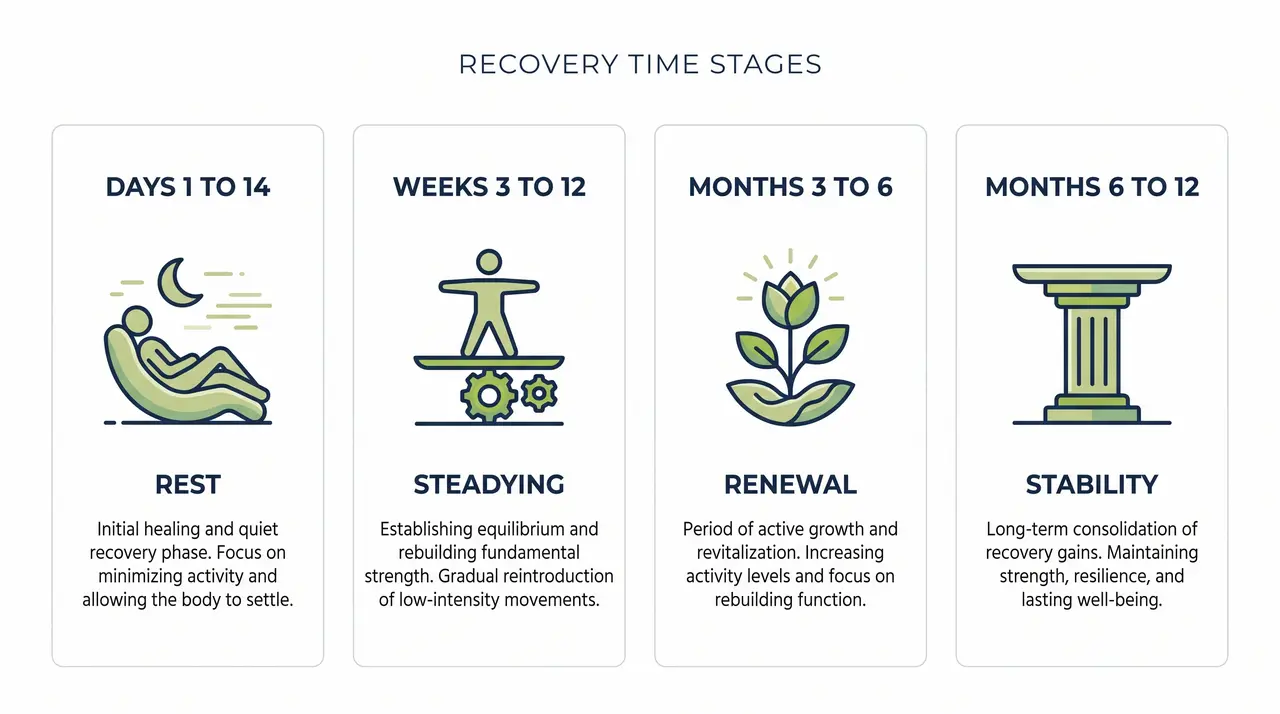
| Time without use | What usually shifts | What still needs holding |
|---|---|---|
| Days 1 to 14 | Heavy fatigue, long sleep, appetite returns, strong craving, low and irritable mood | Round-the-clock support, medical review, no decisions of consequence |
| Weeks 3 to 12 | Sleep pattern steadies, mental clarity improves, blood pressure often settles | Anhedonia is at its most discouraging here. Structure and therapy carry it. |
| Months 3 to 6 | Pleasure in ordinary things returns unevenly, concentration and memory improve | Trigger exposure, relationships, and honest work on what preceded the use |
| Months 6 to 12 | Cognitive function and cardiac markers continue improving, new patterns start feeling like habits rather than effort | Re-entry planning, aftercare, ongoing cardiology follow-up if indicated |
Early abstinence symptoms have been catalogued closely in standardised clinical assessment tools. Knowing that low mood and exhaustion at week five are expected, and not evidence of failure, prevents a great many relapses.
Why stopping is the easiest part to describe
Stopping is mechanical. Staying stopped is relational, and that is a different piece of work.
Cognitive behavioural therapy is useful for the specific architecture of craving, the chain of thought and situation that ends in use. Dialectical behavioural skills matter where emotion arrives at a volume the person cannot survive without switching it off chemically. Motivational work belongs early, when part of the person wants to stop and another part is not finished yet. Both parts are real and pretending otherwise wastes weeks.
The body has to be included, not as an extra. Sleep, protein, sunlight, and physical effort that produces a genuine sense of capability. Our adventure and outdoor work exists for that reason. Something has to demonstrate to the nervous system that difficulty can be met and survived without a substance.
What a contained space does that willpower cannot
Outpatient therapy has genuine value, and for some people it is the right level of care. Its limit is the eight hours after the session ends, in the same flat, with the same contacts in the same phone.
A residential setting removes the ambient pull. Not by locking anything, by changing what surrounds the person. Holina Village sits on a working farm outside Achnas, with orchards and animals and open sky, and it does not feel like a clinical facility, which matters more than it sounds when someone has spent years being ashamed.
Support is round the clock. Work is individual and in group, because the group is where honesty becomes possible for people who have been performing wellness for a long time.
| Room option | From, per month | Included |
|---|---|---|
| Shared room | €7,950 | Accommodation, all meals, clinical and group sessions, farm and adventure activities, airport transfers |
| Single room, shared bathroom | €10,950 | As above, with private sleeping space |
| Single room, private bathroom | €12,950 | As above, with full privacy |
Personal spending money is the only additional cost. We publish this because families in crisis should not have to ask twice.
What can be done today
If you are the person using, the useful step is medical rather than moral. Book an ECG. Say what the use has been, honestly, including the alcohol. You are not confessing. You are giving a clinician the information they need.
If you are the family member, resist the confrontation you have been rehearsing. It will produce denial, because it is built to. Say instead that you have noticed the tiredness and the nosebleeds and the way weekends have started disappearing, and that you are worried about his heart, not his character. Then stop talking.
Some of this is difficult ground for young adults in particular, where use has grown up alongside grief that was never given anywhere to go.
A confidential conversation, whenever you are ready
An initial conversation with us commits you to nothing and is entirely confidential. Most people who get in touch are not ready to decide anything. They are ready to stop carrying it alone, which is usually where this starts.
Can the effects of long-term cocaine use be reversed?
Functional changes, such as low mood, poor concentration and blunted pleasure, generally improve with sustained abstinence, sleep, nutrition and therapeutic work. Structural damage, such as tissue lost to a stroke, does not regrow. Most people carry the first kind of change rather than the second.
How much cocaine use causes heart damage?
There is no safe threshold. Damage accumulates from total exposure over time rather than from any single dose or frequency. Occasional but repeated use over years can produce the same vascular strain seen in more frequent patterns, because the body carries forward a small amount of harm after every session.
Is cocaine-induced paranoia permanent?
Usually it clears as the drug leaves the body. In some people, particularly after prolonged use with little sleep, it can persist for days or occasionally weeks. It needs medical supervision and a quiet, contained environment rather than reasoning or argument.
How long does it take to recover from cocaine use?
The first two weeks bring fatigue and craving. Weeks three to twelve are often the hardest emotionally, as pleasure has not yet returned. By six to twelve months, cognitive function and cardiac markers typically continue to improve, and new routines start to feel automatic rather than effortful.
What should I do if I think someone is having a cocaine-related emergency?
Call emergency services immediately for chest pain, sudden severe headache, one-sided weakness or slurred speech, fainting, seizure, or severe agitation. Tell the clinicians exactly what has been taken and when. This information changes treatment and nobody is reported for sharing it.
The long term effects of cocaine build quietly, across the heart, the brain and the nervous system, long before anything looks visibly wrong. Most of what accumulates in the early years is functional rather than permanent, which means the timing of a decision to get help still matters a great deal. If any of this has sounded familiar, whether you are the person using or the person watching someone you love, a conversation with our team costs nothing and asks nothing of you beyond honesty about where things stand.

About the Author
Yossi Zubari
CEO & Founder
Director and Senior Therapist working with addiction for over 25 years, and in personal recovery for almost 30 years.