The phone sits face down on the bedside table, vibrating against the wood. It is four in the morning, and the person beside it has spent five hours trying to win back a three-hundred-euro loss from the previous afternoon. Each wager demanded a larger deposit to cover the one before it, until the credit facility finally refused the transaction. What he feels now is not disappointment about an evening’s entertainment. It is a cold, physical urgency to undo the last eight hours of reality.
Understanding how to stop a gambling addiction begins with dismantling one belief, the idea that recovery is a private duel between moral stamina and sudden temptation. The compulsion to bet is not a financial miscalculation or a sign of weak character. It is a rapid neurochemical loop that overrides rational judgement before consequential thinking can engage, which is why silent resolve so often collapses under stress. Left unaddressed, the condition dismantles domestic stability and fractures relationships while pushing the nervous system toward chronic anxiety and depressive episodes.
This article walks through what actually helps. It covers the practical barriers you can put in place within the first twenty-four hours and why self-exclusion protects an exhausted nervous system, along with somatic techniques for riding out acute cravings and an honest look at when outpatient care is enough and when residential treatment becomes the safer option.
Reading time: 5 minutes
Key Points
- Gambling disorder changes how the brain processes reward, so willpower and private promises alone are rarely enough to stop.
- Practical barriers such as banking blocks, device restrictions, and self-exclusion interrupt the compulsive loop long enough for the nervous system to settle.
- Barriers work best when paired with structured psychological care that addresses the emotional drivers underneath the behaviour.
- Residential therapeutic community care deserves serious consideration when repeated attempts to stop at home have failed.
Table of Contents
- How to stop gambling addiction when you feel out of control
- What to do in the first 24 hours to quit gambling
- Why is gambling so hard to stop
- Problem gambling vs gambling addiction
- The psychological trap of chasing losses
- How to stop online gambling on your phone
- What is self-exclusion and how does it protect recovery
- Building a three-layer defense system
- Somatic grounding during acute cravings
- Can you stop gambling on your own or do you need rehab
- The therapeutic community model in residential care
- Restoring financial stability and rebuilding family trust
- How to tell your family about a gambling problem
- Emergency actions to take after a gambling relapse
- Common questions about stopping gambling
How to stop gambling addiction when you feel out of control
Stopping an active gambling compulsion begins by recognising that control cannot be restored from inside the cycle itself. During an episode, the brain is flooded with anticipatory adrenaline, making measured reflection impossible. The first priority is to introduce mechanical friction between the impulse and the financial transaction. If placing a wager requires ten deliberate steps instead of one tap, the automatic loop begins to splinter.
Drop the assumption that you will simply resist the urge next time. Resistance drains cognitive energy quickly, especially after a demanding workday or during an argument. When friction is built into your devices and banking structures, your survival does not depend on emotional stamina. The goal is to make betting logistically exhausting while your nervous system settles.
What to do in the first 24 hours to quit gambling
The first twenty-four hours after an acute loss are volatile and physically taxing. Most people experience an urgent impulse to return to the platform and repair the damage immediately. To pass through this window without placing another bet, remove your capacity to transact before the next craving arrives.
Hand total administrative visibility of your bank accounts to a trusted partner or close family member. Cut up secondary credit cards, cancel overdraft facilities, and delete stored payment details from every browser. If your bank offers an automated block on gambling transactions, activate it and request a mandatory forty-eight-hour cooling-off period before it can be reversed.
Then dismantle your digital access completely. Uninstall every wagering application, close accounts through customer support portals, and leave online betting groups. Once these avenues are closed, write down an hourly itinerary for the evening ahead. Unstructured, solitary time during the first night is an invitation to relapse.
The short film below from our team at Holina addresses the belief that sits underneath most gambling struggles, the idea that addiction is a personal failure. It is not, and shame is the heaviest obstacle to asking for help.
Why is gambling so hard to stop
Gambling disorder exerts a unique grip because it hijacks the neural pathways responsible for survival learning. The brain releases a surge of dopamine during the anticipation of an outcome rather than on its arrival, and an uncertain reward schedule keeps the neurochemistry in a state of hyper-arousal. The mind stays riveted to the screen, interpreting near-misses as signals that success is imminent.
Clinical guidance from the American Psychiatric Association on gambling disorder shows that compulsive wagering shares the same neurological circuitry as substance dependence. The body develops tolerance, requiring larger stakes to produce the same emotional escape, and when wagering stops abruptly the individual experiences physical agitation and severe mood crashes.
Many adults also turn to wagering as a subconscious way to regulate emotional distress. It numbs psychological pain for twenty minutes at a time and functions as a temporary anaesthetic against workplace burnout, chronic loneliness, or unresolved grief. When the session ends, the unresolved reality returns alongside crushing financial guilt, and shame accelerates the desire to escape again.
Problem gambling vs gambling addiction
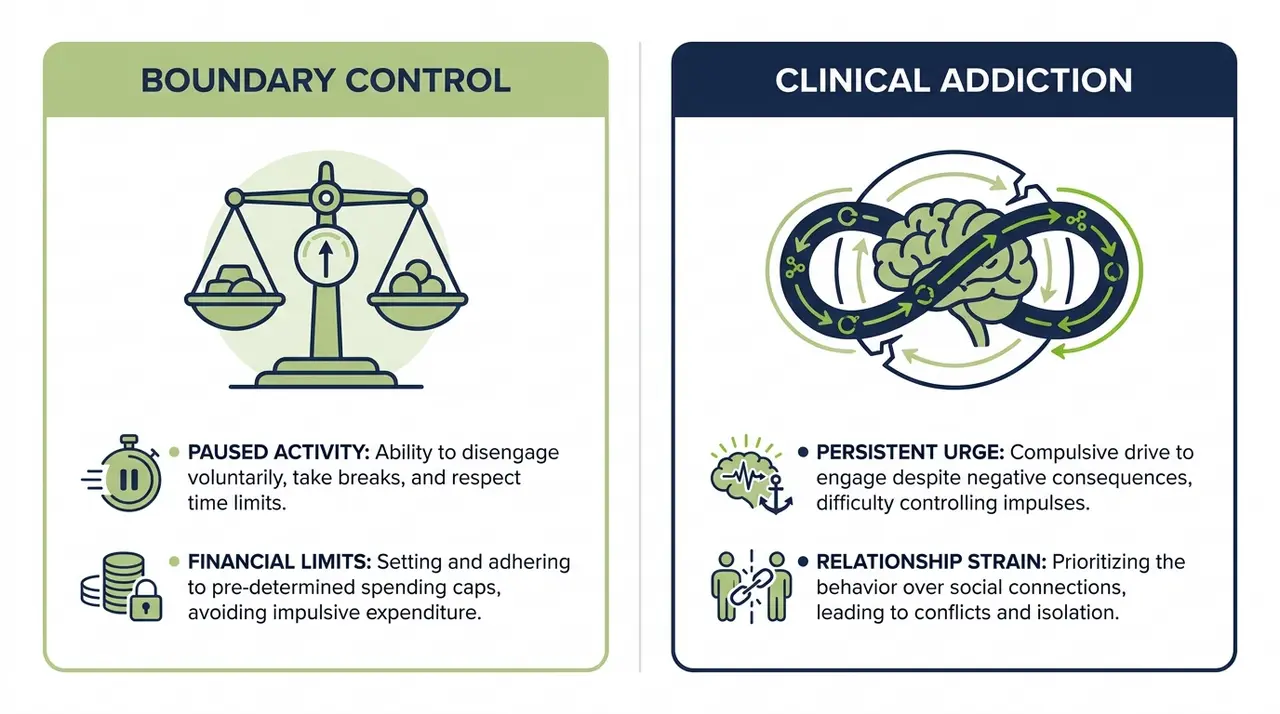
The boundary between a problematic habit and clinical addiction lies in the loss of autonomy and the persistence of the behaviour despite catastrophic harm. A problem gambler may spend more than intended on occasion but retains the capacity to pause when boundaries are established. Compulsive addiction systematically dismantles those internal brakes.
The medical definition is codified in the DSM-5 criteria for gambling disorder, which identify persistent patterns of cognitive disruption. These include repeated unsuccessful efforts to control betting and restlessness when attempting to cut down, ultimately jeopardising relationships and careers. When four or more criteria emerge over twelve months, the condition requires professional treatment rather than casual self-help.
The psychological trap of chasing losses
Chasing losses is the primary cognitive engine that transforms casual betting into chronic ruin. The mechanism begins with a painful deficit the gambler feels incapable of absorbing through normal work or savings. The mind convinces itself that the only realistic escape route is another calculated wager, treating the venue that took the money as the sole instrument capable of returning it.
Money lost to gambling is never capital waiting to be recovered. Every attempt to win it back operates under severe cognitive distortion, because panic abandons basic risk management and stakes sums no calm person would consider. A win during this phase does not resolve the crisis. It reinforces the belief that persistence pays, which is precisely why the entire sum usually returns to the platform within days.
How to stop online gambling on your phone
Modern smartphones have turned intimate living spaces into round-the-clock betting venues. A person can deposit thousands of euros from a train seat without anyone noticing. Breaking this connection means turning the handheld device back into a basic utility rather than a casino portal.
Install system-wide blocking tools across all phones and laptops, set a complex administrative password for these applications, and entrust that code to a relative or close friend. Remove biometric authentication such as fingerprint recognition from banking utilities, since requiring manual password entry slows impulsive behaviour and buys precious seconds for logical consideration to resume.
Establish environmental boundaries around device use at home as well. Leave the phone out of the bedroom after nine at night and keep chargers in communal areas. If a handheld screen remains an active hazard during early recovery, switch temporarily to an analogue device that lacks application support.
What is self-exclusion and how does it protect recovery
Self-exclusion is a formal administrative process whereby an individual voluntarily bans themselves from licensed gaming operators. Once the applicant is registered, gambling companies are legally prohibited from accepting their bets or marketing to them, which severs commercial relationships previously maintained through targeted offers and direct incentives.
The therapeutic value lies in the relief it brings to an exhausted nervous system. When the option to place a legal bet is removed, the internal nightly debate about whether to risk fifty euros simply ceases. The brain finally receives space to rest and recalibrate.
Self-exclusion is a necessary barrier, but it is not a complete treatment. It closes the front door to commercial venues while leaving the underlying emotional drivers untouched. If the internal pain remains unaddressed, the impulse will seek out unregulated offshore websites or shift toward alternative compulsive behaviours. Technical blocks must always be paired with structured psychological care.
Building a three-layer defense system
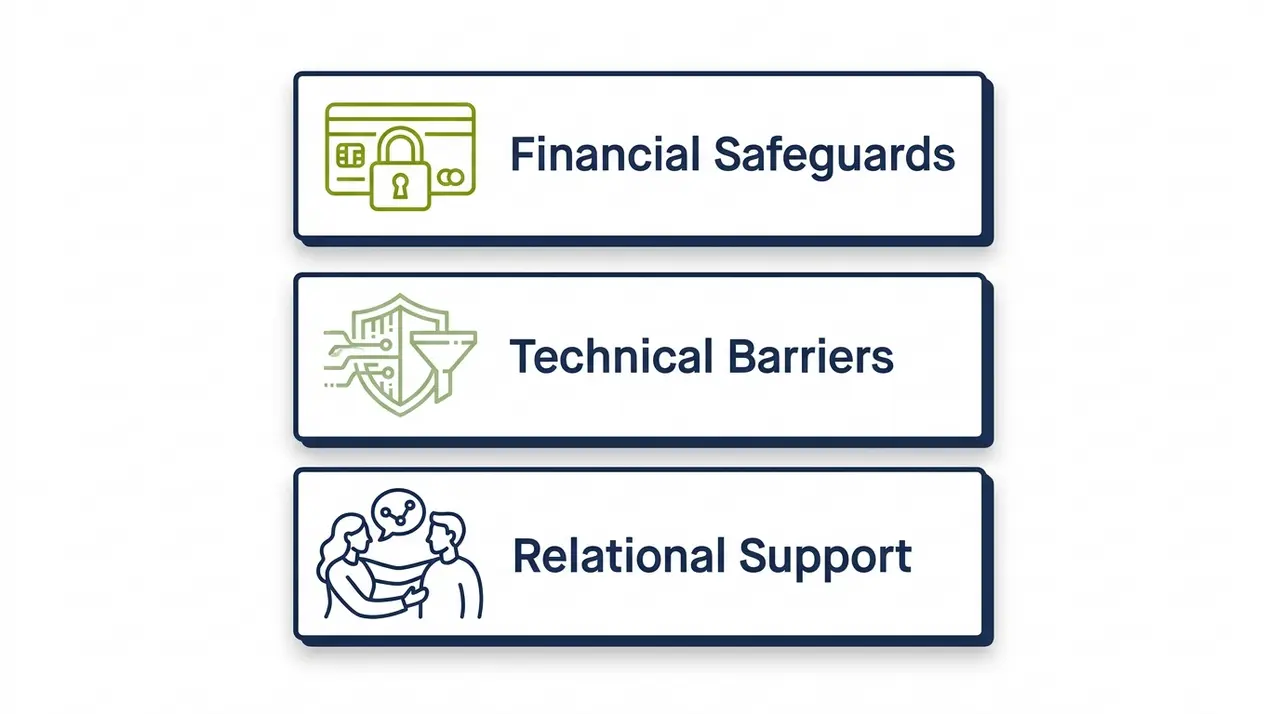
Lasting recovery cannot survive on positive intentions alone. It requires a resilient framework of financial safeguards, technological blocks, and structured interpersonal accountability that operates independently of your daily emotional state. When these layers operate simultaneously, a lapse in one area is intercepted by the remaining barriers.
Somatic grounding during acute cravings
Gambling cravings are not purely mental events. They arrive as intense physical sensations, with a racing pulse and shallow breathing alongside sweating palms and a heavy stomach. These sensations represent a sympathetic nervous system spike demanding immediate action, which is why trying to reason with a craving mid-panic rarely succeeds.
Evidence summarised in a military health system study on cognitive behavioral therapy for pathological gambling highlights the importance of managing this somatic reactivity. When an urge emerges, practise the fifteen-minute pause. Physical cravings behave like an ocean wave, swelling and peaking before breaking naturally, usually within twenty minutes.
Begin by changing rooms immediately. Splash cold water on your face to trigger the mammalian dive reflex, which slows elevated cardiac activity. Inhale slowly through your nose for four seconds, hold for two, and exhale smoothly through your mouth for six. While your physiology stabilises, place your feet flat on the floor and name five physical objects visible in the room.
Can you stop gambling on your own or do you need rehab
Outpatient therapy and mutual-help groups have genuine value for many people in the early stages of distress. Weekly sessions while maintaining domestic life allow new coping mechanisms to be practised in real time. Outpatient care reaches its limit when the living environment itself remains saturated with triggers.
If you have repeatedly deleted applications only to reinstall them within forty-eight hours, or if debts are mounting while sleep deteriorates, continued self-management at home becomes clinically unsafe. Residential care provides a complete pause from the logistics of daily survival. It removes access to money and separates you from activating environments while introducing round-the-clock therapeutic observation, allowing the nervous system to finally drop its hypervigilant defence.
Read more about our residential gambling addiction rehab in Cyprus.
The therapeutic community model in residential care
At Holina Village in Cyprus, recovery is grounded in the therapeutic community model. It is neither an austere institutional hospital nor a luxury retreat that glosses over the hard work of behavioural stabilisation. The environment centres on shared community living amid orchards and working farm activities under open Mediterranean sky, which provides the relational substrate that compulsive gamblers have lost during years of isolation.
Our adult residential treatment programme combines intensive cognitive behavioural therapy with trauma-informed psychotherapy and daily somatic regulation. Residents step away from digital screens and financial urgency to engage in honest, structured living, and through individual psychotherapy and physical outdoor challenges they confront the emotional injuries that drove the need to escape.
Our multidisciplinary clinical team works alongside each resident to unpack distorted beliefs about control and self-worth, and healing occurs through felt connection with peers who understand the precise texture of gambling shame without judgement. A four-week stay offers essential physiological stabilisation, while our recommended twelve-week stay allows genuine behavioural rewiring to take root.
A confidential conversation
If the situation described here feels familiar, either for yourself or someone you love, our admissions team is available to talk it through with you. No pressure, no obligation, just an honest conversation about what might help.
Restoring financial stability and rebuilding family trust
Resolving financial destruction must follow emotional stabilisation, never precede it. When people attempt to sort out debts while still in active psychological panic, they almost always look for financial shortcuts that lead back to wagering. Accept that repairing credit and clearing loans is a slow administrative process that unfolds across months and years.
Compile a comprehensive list of every obligation, including commercial loans and credit cards as well as personal debts owed to friends and family, without concealing balances to protect your pride. Once the figures are visible, establish structured repayment arrangements through licensed debt advisory services or formal consolidation plans, and avoid high-interest borrowing or family bailouts that remove personal responsibility.
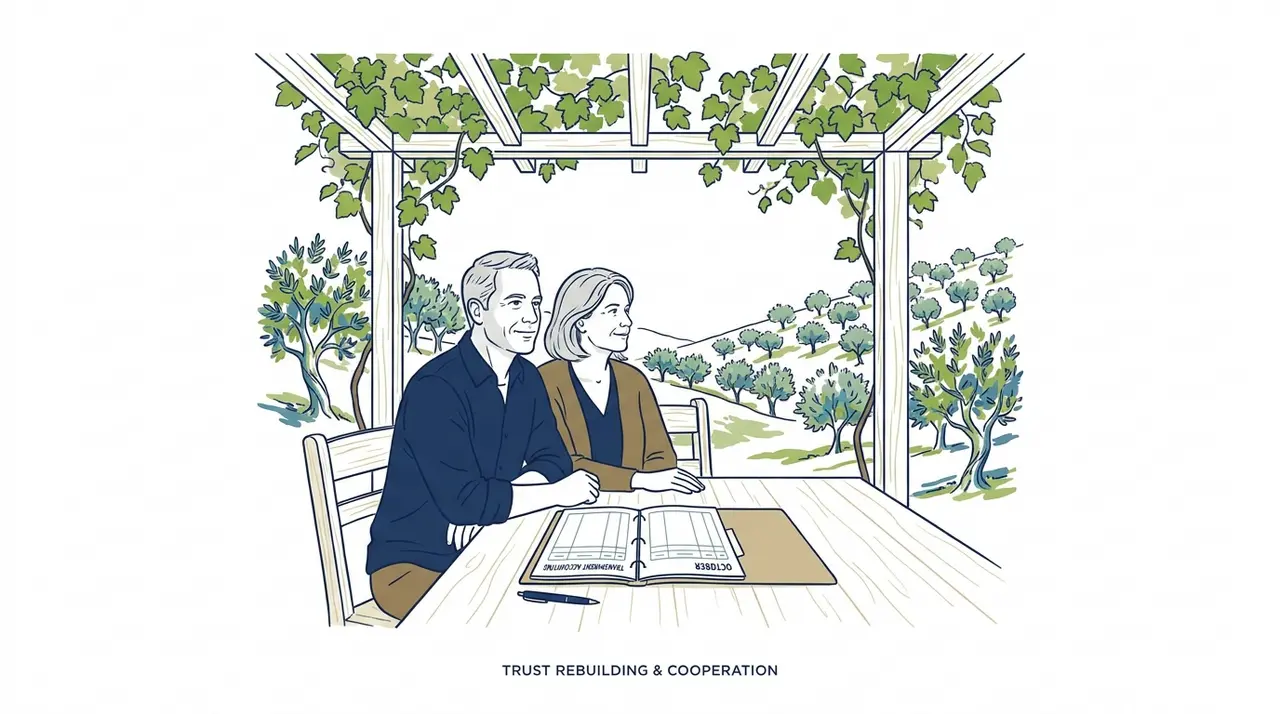
Rebuilding family trust requires a complete surrender of financial privacy during early recovery. Allow your partner unhindered access to bank statements and credit reports without defensive anger, and accept that suspicion may linger long after you have stopped placing bets. Consistency over time is the only currency that restores damaged relationships.
How to tell your family about a gambling problem
Revealing the scale of a gambling disorder is one of the most frightening moments in an adult life. The temptation to deliver a partial truth is intense, yet incomplete disclosure causes secondary trauma when remaining debts surface later. Choose a calm moment away from children and free from active domestic conflict.
State the reality plainly, without defensive justification or external blame. Say that you are struggling with a recognised behavioural addiction and disclose the exact financial total involved, then present the practical steps you have already taken, such as self-exclusion registration and account surrender.
Do not ask your family for a financial bailout, because paying off gambling losses preserves the psychological dynamic that keeps the disorder alive. Ask instead for emotional partnership and practical boundary management. If initiating this dialogue feels impossible, you can reach out for an admissions conversation and receive clear guidance on navigating family disclosures safely.
Emergency actions to take after a gambling relapse
A relapse after a period of abstinence is a distressing setback, but it does not erase the biological healing achieved during your clean days. The greatest danger is the shame spiral, which insists that everything is lost and invites a multi-day betting binge. Respond to a slip with immediate operational measures rather than emotional self-flagellation.
Halt the session the moment awareness breaks through, regardless of how much was lost. Contact your accountability partner or clinical team within two hours and report the occurrence plainly. Hand over your financial accounts, then examine which barrier failed, whether an internet filter was bypassed or an unmonitored card was used without somatic coping tools. Treat the lapse as diagnostic information about where your defensive perimeter needs reinforcement, patch it immediately, and resume your recovery schedule without delay.
Common questions about stopping gambling
Can a person stop gambling without telling their partner or family?
Attempting to recover in total isolation almost never works over the long term. Secrecy provides the exact psychological conditions that compulsive gambling requires to survive. Sharing your reality with at least one trustworthy person breaks the cycle of shame and establishes the interpersonal accountability needed to sustain sobriety.
Do psychiatric medications stop the urge to gamble?
There is no single pharmaceutical cure developed specifically to eliminate gambling disorder. Medical professionals often prescribe medications to address underlying co-occurring conditions such as major depression or generalised anxiety, and treating these neurochemical imbalances helps reduce the emotional volatility that frequently triggers gambling cravings.
How long does it take for dopamine receptors to rebalance after quitting?
The intense restlessness and boredom of early recovery begin to ease after approximately ninety days of continuous abstinence. During this window the brain gradually resets its dopamine baseline, allowing genuine satisfaction from quiet activities to return. Meaningful psychological rewiring and relational stabilisation typically require several months of active therapeutic work.
Recovery does not arrive as a triumphant finish line where temptation ceases forever. It takes root in the quiet decisions made across ordinary afternoons when a person hands their credit card to a partner, steps into an orchard under open Mediterranean sky, and learns to sit with uncomfortable feelings until they pass. Gambling disorder is a treatable condition, not a character defect, and every practical step described above moves the nervous system a little further out of survival mode and back toward steady ground.
When you are ready to talk
Our admissions team offers a confidential conversation with no pressure and no obligation. You will leave it with a clearer picture of your options, whether or not residential care turns out to be the right path for you.
About the Author
Yossi Zubari
CEO & Founder
Director and Senior Therapist working with addiction for over 25 years, and in personal recovery for almost 30 years.