The flat is not untidy in an obvious way. Two half-empty coffee mugs sit on the kitchen counter beside an unopened bank statement from November. On the bedside table, an acrylic grinder rests next to a scented candle meant to mask the sweet smell in the curtains.
The young man living here is twenty-two years old and rarely leaves before noon. His family believes he is resting after an exhausting academic term in Leeds. In reality, he spends his mornings waiting for the nausea to pass before rolling his first spliff of the day.
For months, relatives convince themselves that herbal cannabis is relatively harmless. Popular culture treats the substance as a gentle alternative to alcohol, yet clinical reality tells a different story. When daily smoking stops being an occasional comfort and becomes mandatory for sleep and emotional stability, dependence has taken hold. This guide explains the neurobiology of cannabis use disorder, what withdrawal actually involves, and the diagnostic boundaries families can use to judge when professional help is needed.
Ignoring this progression costs young people their educational momentum and strains family trust to near collapse.
Reading time: 5 minutes
- Around one in ten people who try cannabis develop a formal addiction. Among daily users the figure approaches one in three.
- Cannabis withdrawal is physical and measurable, typically peaking between days three and six and easing by around day ten.
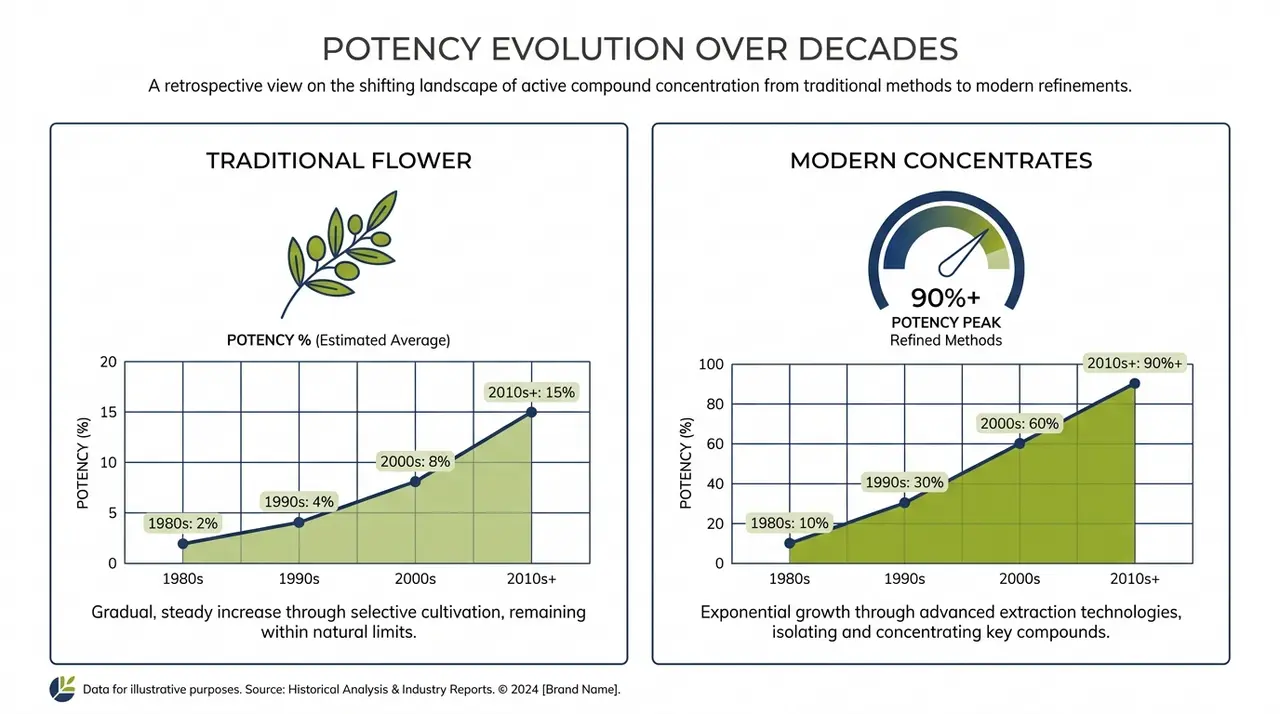
- Commercial cannabis flower today often contains twenty to thirty percent THC, several times the potency of earlier decades, which accelerates tolerance and dependence.
- When repeated attempts to stop at home keep failing, residential treatment that changes both the environment and the therapy gives recovery its strongest footing.
Table of contents
- Is cannabis addictive?
- The difference between cannabis dependence and addiction
- Why does cannabis tolerance build over time?
- Can someone get addicted to weed smoking only on weekends?
- What are the symptoms of cannabis withdrawal?
- How long does marijuana withdrawal last?
- Why modern cannabis strains carry higher addiction risks
- Who faces the highest vulnerability to cannabis use disorder?
- Clinical criteria used to diagnose cannabis use disorder
- When should families seek professional help?
- How residential treatment supports long-term recovery
- Frequently asked questions
Is cannabis addictive?
Cannabis is indeed addictive.
Long-term epidemiological research confirms that approximately ten percent of individuals who experiment with the drug will develop a formal addiction. That proportion rises to seventeen percent among those who begin during adolescence, and climbs toward thirty for daily consumers. Clinical admissions across Europe and North America have reflected these numbers for well over a decade. According to clinical guidance compiled by MedlinePlus medical resources, modern consumption patterns demonstrate that regular use alters brain circuitry in ways that mirror other chronic substance dependencies.
Many people still repeat the outdated claim that a plant cannot cause genuine addiction. They assume that because cannabis lacks a violent physical collapse during detox, the compulsion is merely an issue of weak personal willpower. That distinction collapses once clinicians examine neurological reward pathways directly. Tetrahydrocannabinol floods the brain with unnatural concentrations of dopamine, which gradually trains the central nervous system to prioritise procurement over normal life activities.
The difference between cannabis dependence and addiction
Clinicians make a clear distinction between physical adaptation and the destructive compulsion that overtakes someone’s life. Physical dependence occurs when neurons adjust their baseline sensitivity to the continuous presence of cannabinoids. When the substance is suddenly removed, the person experiences intense insomnia and rebound anxiety. Addiction represents a wider behavioural collapse marked by obsessive cravings and continued consumption despite severe damage to employment or personal relationships.
A person can experience physical dependence without displaying deceitful conduct, though the two conditions usually intertwine over time. The diagnostic framework provided by the NCBI Bookshelf review on cannabis use disorder unifies these concepts under a single continuum that evaluates physical adaptations alongside behavioural impairment.
The differences between casual use, physiological dependence and severe disorder can be summarised across four clinical dimensions.
Recreational pattern. Full receptor density and intact endocannabinoid balance.
Physiological dependence. Downregulated CB1 receptors requiring baseline chemical intake.
Severe substance use disorder. Substantial neuroadaptation with extensive dopamine pathway hijacking.
Recreational pattern. Mild passing boredom without somatic distress.
Physiological dependence. Clear withdrawal syndrome including insomnia and sweating.
Severe substance use disorder. Acute withdrawal combined with compulsive relapse behaviour.
Recreational pattern. Personal responsibilities and relationships remain uncompromised.
Physiological dependence. Daily routines reorganised around regular consumption windows.
Severe substance use disorder. Marked functional decline, social isolation and broken commitments.
Recreational pattern. Ability to moderate dosage and cease intake at will.
Physiological dependence. Increasing difficulty pausing consumption despite intentions.
Severe substance use disorder. Total loss of control and persistent deceit regarding use.
When dependence has taken hold, the surroundings a person lives in shape nearly every part of their recovery. This short film shows Holina Village, our residential therapeutic community in Cyprus, and the environment in which the treatment described later in this article takes place.
Why does cannabis tolerance build over time?
Regular exposure to high levels of tetrahydrocannabinol causes the brain to desensitise its internal cannabinoid receptors. The human brain possesses an intricate network known as the endocannabinoid system, which maintains internal equilibrium across mood and physical stress responses. When flooding doses of external cannabinoids arrive daily, the brain protects itself by internalising and reducing the density of CB1 receptors.
Consequently, the single evening inhalation that once induced relaxation ceases to produce any noticeable effect. The consumer must use substantially higher amounts of flower or switch to concentrated oils just to attain baseline calmness. This escalating threshold is known as tolerance, and it represents the primary physiological engine driving users from casual experimentation into compulsive daily consumption.
What began as an intentional choice slowly transforms into a maintenance dose required just to feel normal.
The self-medication trap for anxiety and sleep
A twenty-four-year-old software tester in Bristol began smoking resin at night to quiet persistent workplace worries. Within six months, her natural ability to fall asleep without inhaling vapour had vanished entirely. When she attempted to stop, intense rebound insomnia and rapid heart palpitations convinced her that her original anxiety had returned with greater ferocity. She resumed smoking immediately, unaware that her heightened distress was actually acute receptor depletion caused by sudden cessation.
Can someone get addicted to weed smoking only on weekends?
Restricting consumption to weekends often masks developing psychological reliance long before daily use patterns emerge. A person might spend Monday through Thursday functioning adequately at work while mental energy remains fixated on Friday evening. Social engagements that do not permit smoking are quietly declined, and sobriety during leisure hours begins to feel frustratingly dull.
Over time, the strict weekend boundary almost inevitably dissolves under unexpected life pressure. An exceptionally demanding Tuesday at the office becomes a convenient excuse to take a single hit before sleeping. Soon the Wednesday evening ritual follows, until the individual is using the substance daily to decompress from routine emotional friction.
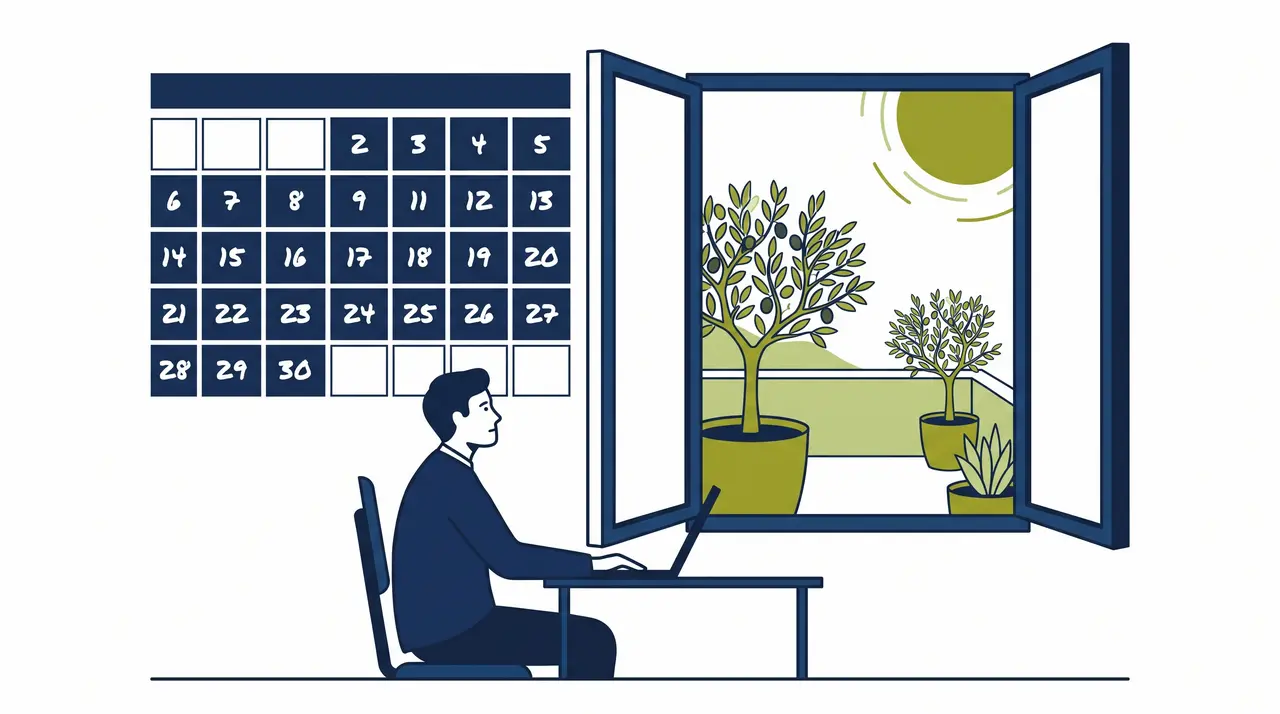
What are the symptoms of cannabis withdrawal?
Withdrawal is physical and measurable.
When a heavy consumer abruptly stops, the nervous system enters a state of hyperexcitability because depleted receptors cannot immediately resume natural neurotransmitter regulation. The resulting discomfort frequently shocks individuals who expected nothing more than mild mental boredom.
The clinical profile includes vivid nightmares, heavy night sweats and sudden loss of appetite. Digestive cramping and unpredictable outbursts of anger frequently accompany these physical signs. Clinical studies of cannabis withdrawal indexed on PubMed document that these physical symptoms mimic mild nicotine or antidepressant discontinuations. Relapse during the initial forty-eight hours is rarely driven by a desire for euphoria. It is driven by an urgent need to stop autonomic distress.
How long does marijuana withdrawal last?
The acute withdrawal timeline follows a consistent biological trajectory dictated by the slow release of cannabinoids from human adipose tissue. Because tetrahydrocannabinol is fat-soluble, it clears from the body far more gradually than water-soluble compounds like alcohol. Initial symptoms such as restless agitation and acute insomnia emerge between twenty-four and forty-eight hours after the last dose.
Discomfort typically reaches peak intensity between day three and day six, when night sweats and digestive disturbances become most pronounced. Physical symptoms generally begin to subside by day ten, whereas psychological irritability, vivid dreaming and persistent cravings often linger for several weeks. In our clinical experience at Holina Village, establishing honest expectations about this month-long window prevents the despair that often triggers early relapse.
Why modern cannabis strains carry higher addiction risks
Herbal cannabis cultivated in past decades rarely exceeded four percent tetrahydrocannabinol concentration. Today, commercial hybrid flower routinely tests between twenty and thirty percent, while extracted wax and vape distillates frequently reach ninety percent purity. This escalation in potency dramatically compresses the timeframe required to induce receptor desensitisation and severe psychological habituation.
High-potency extracts also omit protective minor cannabinoids like cannabidiol, which historically mitigated anxiety and psychotic reactions. Young people inhaling pure distillate pens receive massive neurochemical surges without any pharmacological buffering. Consequently, our clinical staff in Cyprus observes far more rapid functional collapse and acute paranoia in clients using concentrates than in those using traditional flower.
Who faces the highest vulnerability to cannabis use disorder?
Adolescents and young adults under age twenty-five represent the most vulnerable demographic because the prefrontal cortex remains in an active phase of developmental pruning. Regular exposure during this neurodevelopmental window alters synaptic formation and triples the statistical risk of lifelong substance misuse. The brain essentially hardwires its stress responses around external chemical suppression rather than internal emotional resilience.
Underlying emotional adversity and undiagnosed neurodivergence also increase vulnerability to compulsive use. Individuals dealing with attention deficit hyperactivity disorder, unaddressed family bereavement or early trauma frequently discover that cannabis temporarily dampens internal chaos. For those processing unresolved loss, our clinical work examining grief in early adulthood demonstrates that relying on cannabis to numb painful emotions inevitably arrests natural psychological development.
Clinical criteria used to diagnose cannabis use disorder
The diagnostic manual classifies cannabis use disorder across eleven standardised behavioural markers assessed over a twelve-month evaluation period. A patient meeting two or three criteria receives a mild diagnosis, four or five indicates moderate impairment, and six or more designates severe disorder. These markers evaluate whether the individual consumes larger amounts than intended, makes repeated unsuccessful attempts to cut down, and spends substantial time recovering from intoxication.
Other indicators focus on functional neglect, including failure to fulfil university obligations and giving up previously valued creative pursuits. Clinicians also check whether consumption continues despite clear awareness of physical harm, persistent social conflict, and dangerous situations like driving while intoxicated. Even a mild diagnostic rating warrants timely therapeutic intervention before cognitive stagnation becomes permanent.
When should families seek professional help?
Families usually reach out after exhausting months of domestic negotiations, broken promises and circular arguments. A nineteen-year-old in Manchester drops out of his college course, shuts himself inside his darkened bedroom, and becomes aggressively hostile whenever his parents ask about employment. The household atmosphere deteriorates into constant apprehension, while the young person insists that weed is merely a personal lifestyle choice.
When self-directed tapering repeatedly breaks down and dishonest behaviour begins eroding household trust, outpatient advice has reached its operational boundary. In our clinical community in Achnas, admissions begin with a calm discussion about what the person actually experiences rather than moral lectures. Families can arrange a confidential consultation with our admissions team to evaluate whether immediate residential intervention is appropriate.
Waiting for someone to hit rock bottom with cannabis is a dangerous strategy that often costs years of developmental growth.
You are welcome to speak with us before things reach a crisis. A confidential conversation with our admissions team involves no pressure and no obligation, just an honest discussion about what you are seeing and what could help.
How residential treatment supports long-term recovery
Environment drives the cycle.
Attempting to stop while remaining in the same bedroom surrounded by local dealers, familiar peer groups, and habitual paraphernalia proves extraordinarily difficult. Residential care removes the constant ambient cues of home and replaces them with a calm, held container where the nervous system can reset without defensive friction.
At Holina Village in the peaceful rural surroundings of Achnas in Cyprus, our residential clinical programme integrates medical oversight with intensive psychological therapy. Residents participate in cognitive behavioural therapy, trauma processing and group dynamics while working closely with our multidisciplinary team of psychologists and addiction counsellors. Daily life incorporates animal care on our working farm, structured physical training and honest relational connection with peers facing identical challenges.
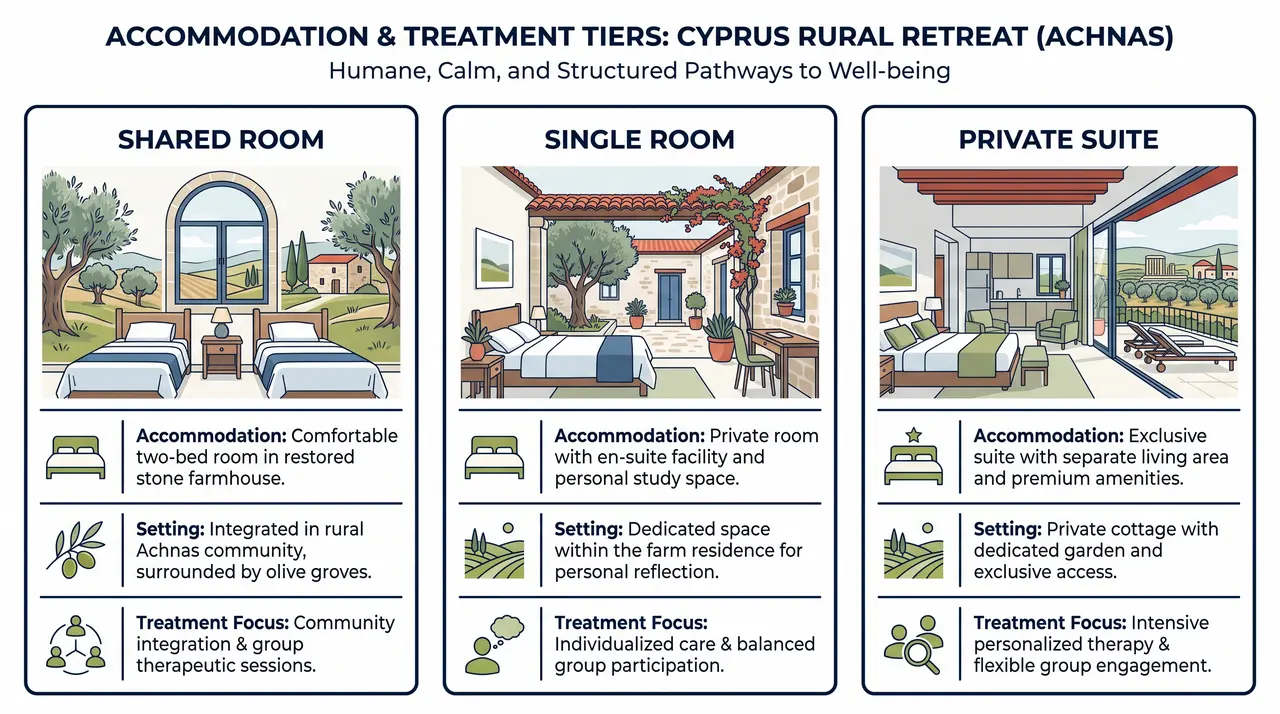
Holina Village offers residential care in three accommodation tiers, and each tier includes the full clinical programme.
Included. Full clinical programme with group therapy and farm activities, plus a shared room, meals and airport transfers.
Additional expenses. Personal discretionary spending money.
Included. Full clinical programme with group therapy and farm activities, plus a private bedroom, meals and airport transfers.
Additional expenses. Personal discretionary spending money.
Included. Full clinical programme with group therapy and farm activities, plus an en-suite private room, meals and airport transfers.
Additional expenses. Personal discretionary spending money.
Living away from urban sensory overload gives young adults the physical space needed to rediscover spontaneous motivation, healthy appetite and restorative sleep. Because recovery cannot succeed in complete isolation from life responsibilities, our educational partnership with UCLAN Cyprus allows clients to maintain academic momentum while engaged in treatment. Healing takes root through daily shared labour, direct accountability and genuine relational warmth.
Frequently asked questions about cannabis addiction
Does chronic cannabis use cause lasting memory and concentration deficits?
Regular consumption in young adults impairs working memory, processing speed and verbal recall. Neuroimaging demonstrates that prolonged exposure alters hippocampal synaptic plasticity, although substantial cognitive recovery occurs after several months of sustained abstinence.
Can a person suffer a fatal overdose from cannabis?
Unlike opioids, cannabinoids do not suppress brainstem respiratory centres, meaning an overdose will not cause fatal respiratory arrest. Excessive doses can still induce acute psychotic episodes, severe cardiac stress, extreme panic reactions and dangerous behavioural disinhibition requiring emergency medical care.
How long does cannabis remain detectable in standard urine tests?
In heavy daily consumers, fat-soluble cannabinoid metabolites leach into urine for thirty to forty-five days following complete cessation. Occasional single-event users typically test negative within three to five days.
Cannabis dependence is real, measurable and treatable. Roughly one in ten people who use the drug develop an addiction and withdrawal follows a predictable month-long arc, while modern high-potency products have raised the stakes considerably, especially for young adults. When repeated home-based attempts to stop keep failing, a changed environment combined with structured therapy gives recovery its best chance. The quiet recovery of autonomy begins not with grand declarations, but with the willingness to step out of the isolated bedroom into a setting built for honest change.
If anything in this article describes someone you love, or your own situation, a confidential conversation with our admissions team is a steady first step. No pressure, no obligation, just an honest conversation about what help could look like.
About the author
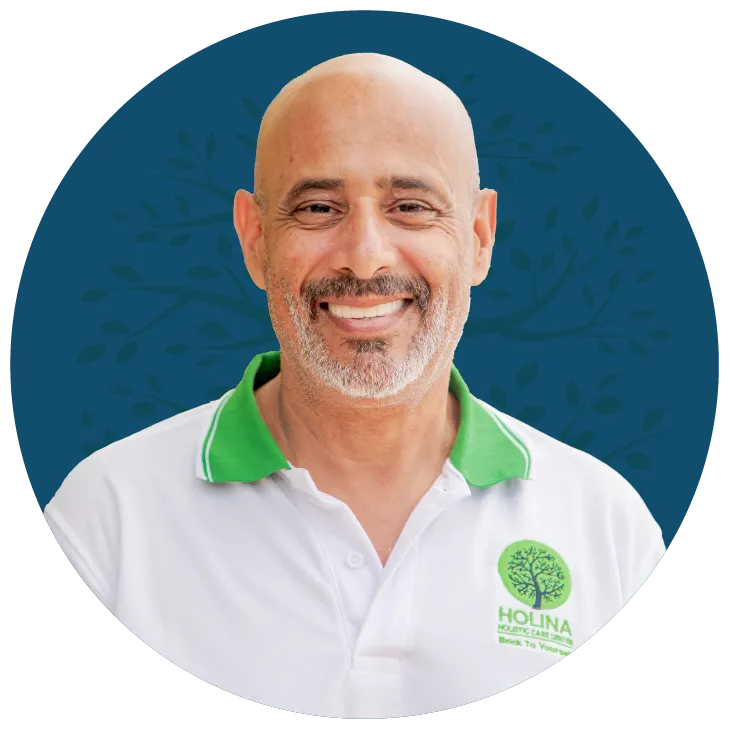
Director and Senior Therapist working with addiction for over 25 years, and in personal recovery for almost 30 years.